
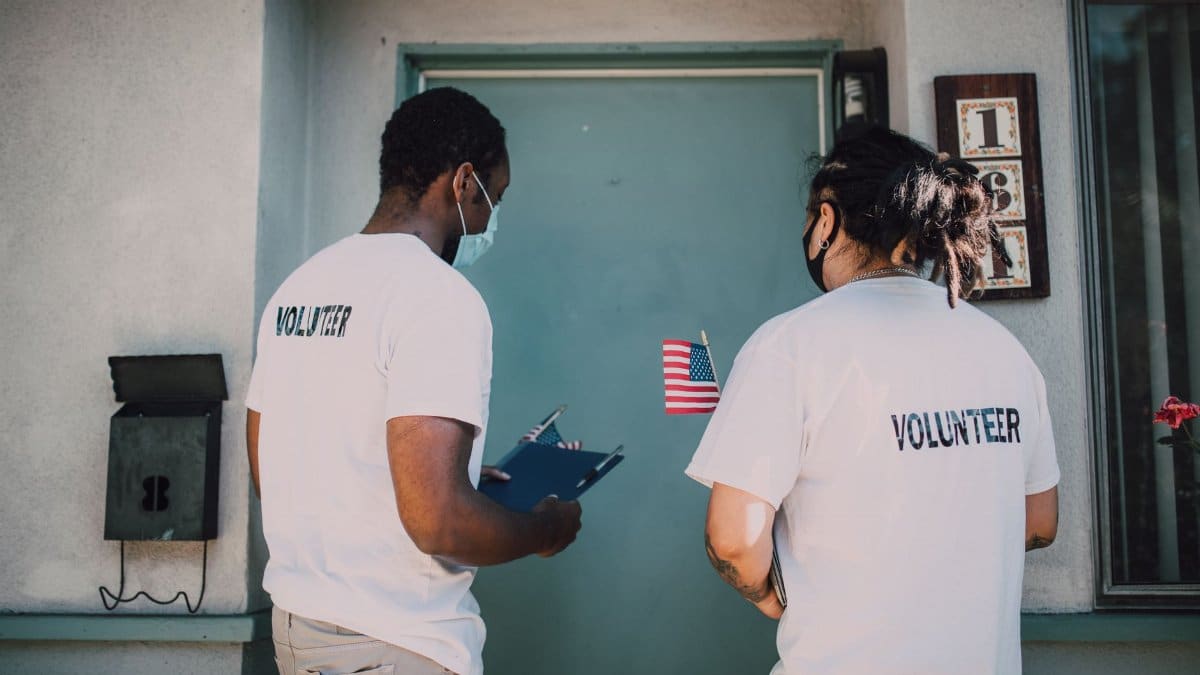
In recent months the arrival of migrants in Dallas has prompted a surge in community action. People from all walks of life have come together to fill gaps in official services. Dallas migrant volunteers for instance can be seen at local centers sorting donations and offering guidance on available resources. Their efforts highlight both the challenges and the resilience found in such situations. Observers note that these contributions range from immediate practical help to longer term connections that help families settle.
Organizing Food and Supply Drives
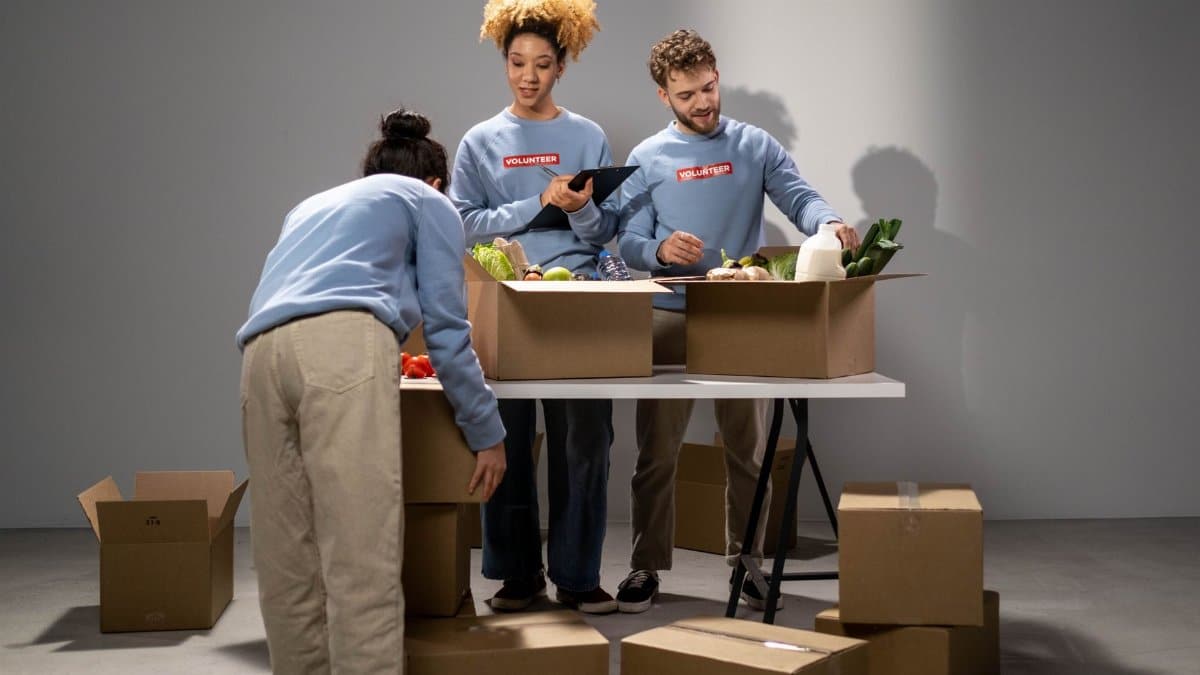
Volunteers gather regularly to collect and distribute meals clothing and hygiene items. Local churches and community halls serve as hubs where donations arrive daily. Participants sort through contributions to ensure items reach those most in need. This work requires careful planning to match supplies with varying family sizes and cultural preferences. Many describe the satisfaction that comes from seeing direct results of their time.
Coordinating Temporary Shelter Options
Finding places to stay represents one pressing need for new arrivals. Dallas migrant volunteers often connect families with available beds in private homes or partner facilities. They maintain lists of hosts and track availability through shared networks. Communication happens via phone trees and group messages to respond quickly when space opens up. Such coordination prevents last minute scrambles during peak arrival periods.
Providing Language and Navigation Support

Assistance with basic English and local transportation helps migrants handle daily tasks. Volunteers accompany individuals to appointments or teach simple phrases for shopping and medical visits. Maps and transit guides printed in multiple languages circulate among the groups. These sessions build confidence and reduce isolation for people adjusting to a new environment.
Partnering With Local Organizations
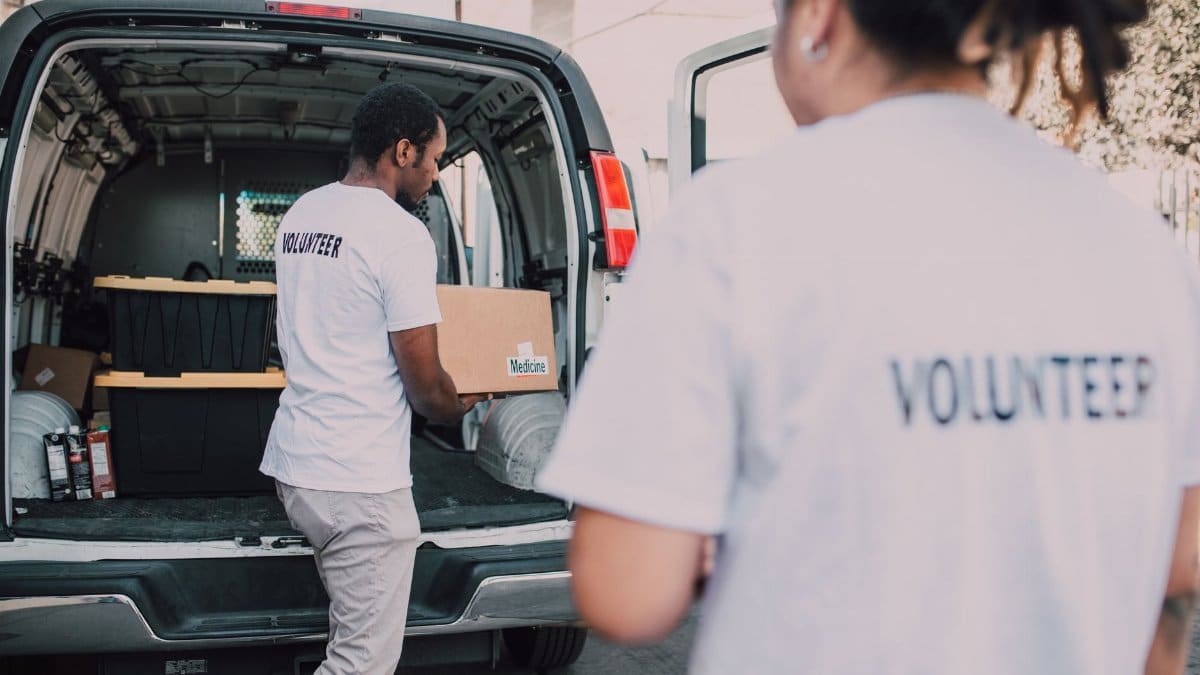
Established nonprofits and faith groups frequently collaborate with individual Dallas migrant volunteers. Joint projects include health screenings and job readiness workshops. Shared resources allow efforts to scale beyond what one person could manage alone. Regular meetings help align goals and avoid overlap in services offered across the city.
Personal Stories From the Front Lines

One longtime participant recalls starting with small donations before taking on larger roles. Another describes the moment a family found stable housing after weeks of uncertainty. These accounts reveal the human side of organized aid and the bonds that form through repeated contact. Such experiences encourage others to join ongoing projects.
Challenges in Sustaining Momentum

Maintaining steady involvement demands attention to volunteer burnout and funding limits. Groups address this by rotating tasks and seeking small grants from community foundations. Weather disruptions or sudden policy shifts can also affect plans yet adaptive strategies keep programs running. Reflection sessions allow teams to refine approaches based on feedback from those served.
Broader Impact on City Life
The presence of Dallas migrant volunteers influences how neighborhoods view recent arrivals. Public events showcasing shared meals foster dialogue between long term residents and newcomers. Over time these interactions contribute to a more connected urban fabric where mutual support becomes routine rather than exceptional.