

In psychology circles where personal stories often shape professional paths, Wendi S Williams PhD emerges as a compelling voice ready to guide the field forward. Her selection as APA President for 2026 signals a shift toward deeper integration of lived experience with scholarly rigor. Readers familiar with mental health advocacy may recognize her emphasis on inclusive practices that reach beyond traditional clinical settings. This appointment arrives at a moment when societal pressures demand fresh approaches to wellness and community support.
Path from Classroom to National Stage

Williams built her career through roles in academic leadership and community focused research. She advanced equity initiatives at several institutions while mentoring emerging scholars from varied backgrounds. Colleagues note her ability to connect theoretical frameworks with real world applications that improve access to care.
Defining Radical Wellness Approach

Central to her platform stands the concept of radical wellness which expands beyond individual therapy to address systemic barriers. This view encourages practitioners to consider cultural contexts and environmental factors in treatment planning. Williams argues such methods foster resilience across diverse populations.
Equity as Core Principle

Throughout her work equity remains a guiding force rather than an afterthought. She has published on disparities in psychological services and advocated for policy changes that promote fair representation. Her efforts highlight how professional organizations can model inclusive structures.
Scholarship Grounded in Experience

Williams combines rigorous academic output with reflections drawn from her own journey. This blend allows her to address topics like identity and belonging with authenticity that resonates in training programs. Students and faculty alike cite her writings as influential in shaping contemporary discussions.
Leadership Vision for Coming Year
As APA President she plans to expand outreach programs that connect psychology with public discourse on pressing social issues. Collaboration with other disciplines features prominently in her agenda. The goal involves demonstrating how psychological insights contribute to broader societal progress.
Building Community Connections

Williams stresses the value of partnerships outside traditional academic boundaries. She envisions initiatives that bring mental health resources into schools workplaces and faith communities. Such steps aim to reduce stigma while increasing practical support networks.
Addressing Modern Challenges

Rapid changes in technology and communication present both opportunities and hurdles for the profession. Williams encourages thoughtful adaptation that preserves ethical standards. Her prior projects offer models for integrating digital tools without sacrificing human centered care.
Mentorship and Next Generation

A recurring theme in her record involves investment in young professionals. Through workshops and advisory roles she helps cultivate leaders equipped to handle evolving demands. This focus ensures continuity in advancing the field.
Public Engagement Strategies
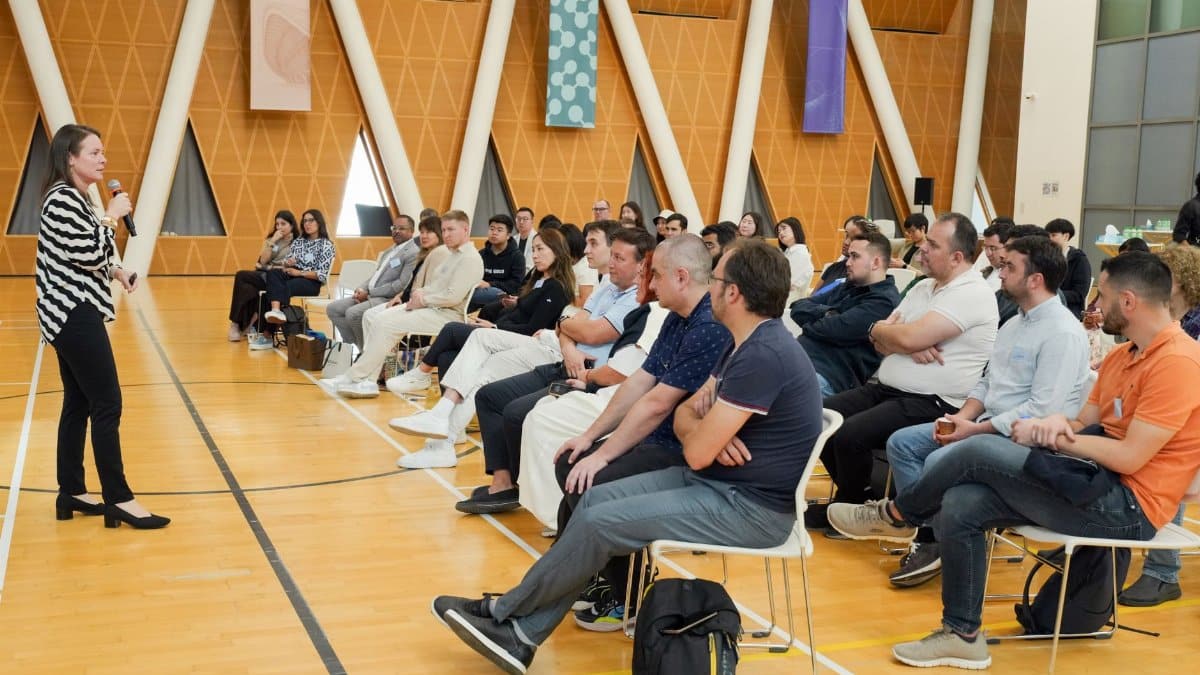
Williams intends to leverage media and speaking opportunities to explain psychological concepts to general audiences. Clear communication serves as a tool for empowerment. Her approach avoids jargon in favor of relatable examples drawn from everyday life.
Reflections on Organizational Growth

Reflecting on the APA trajectory she points to milestones in diversity efforts while acknowledging areas for continued attention. Progress requires sustained commitment from members at all levels. Williams positions her term as one chapter in an ongoing story of adaptation.
Looking Ahead with Optimism

Observers anticipate measurable impacts from her leadership in areas like training reforms and research priorities. The coming period offers a chance to test innovative ideas on a larger scale. Williams enters the role with clear priorities yet remains open to input from the wider community.