
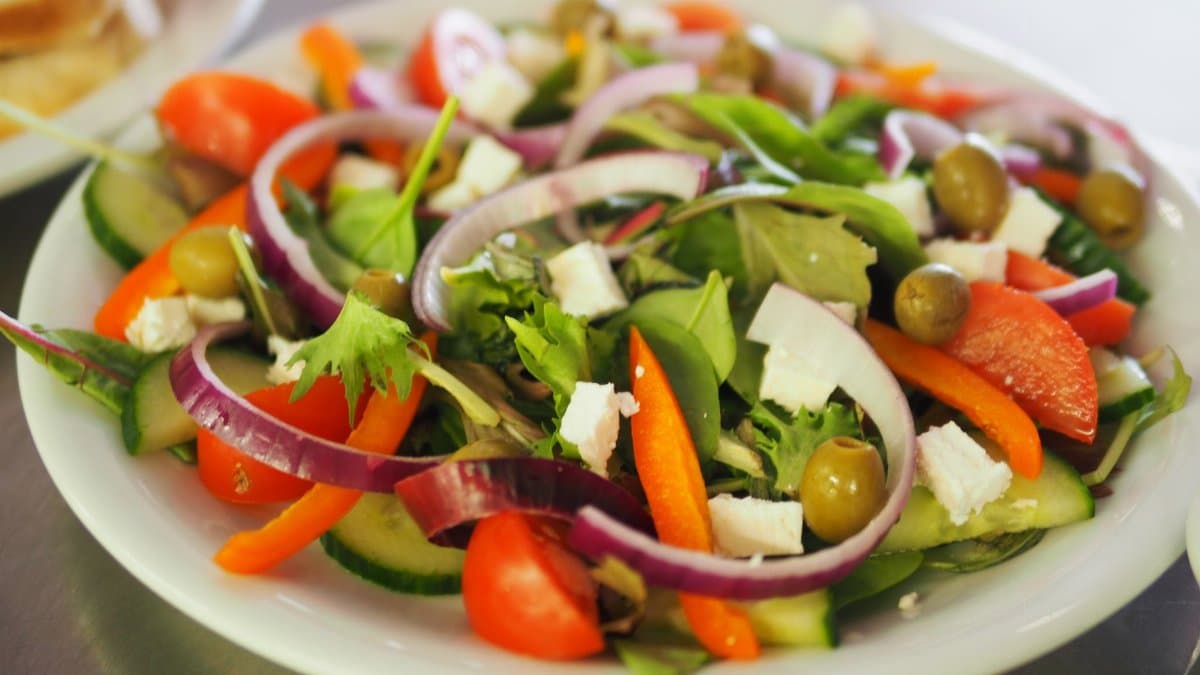
Recent findings have drawn fresh attention to how certain eating patterns influence health outcomes later in life. Among women in particular the idea of Mediterranean Diet Stroke prevention stands out because it points toward practical daily choices rather than dramatic interventions. Many families already enjoy meals built around vegetables fish and olive oil yet few realize these same plates may quietly guard against sudden neurological events. Researchers continue to track large groups across years to see whether steady adherence truly shifts risk profiles in measurable ways. The results so far suggest modest but consistent benefits that accumulate over decades of regular practice. Public health officials note that such patterns require no special equipment or costly supplements merely a shift in what lands on the dinner table most evenings.
Core Elements That Shape Everyday Meals

Plates built on this approach center on produce whole grains legumes nuts and generous pours of olive oil. Fish appears several times each week while red meat stays rare. Herbs replace excess salt for flavor and fresh fruit closes most meals. These choices create meals that feel abundant rather than restrictive allowing people to eat until satisfied without constant calorie counting.
Why Women May Experience Distinct Benefits

Hormonal shifts across a lifetime alter how blood vessels respond to inflammation and oxidative stress. Studies tracking postmenopausal participants show stronger associations between this eating style and reduced incidence of clot related events compared with male counterparts. The difference may trace to interactions between dietary fats and estrogen levels that affect arterial flexibility over time.
Findings From Large Scale Tracking Projects

One long running European cohort published results at https://www.nejm.org/doi/full/10.1056/NEJMoa1200303 that followed more than twenty five thousand volunteers for over a decade. Women who scored highest on adherence measures recorded roughly twenty percent fewer strokes than those with lowest scores after adjustments for smoking activity and medication use.
Role of Olive Oil in Vascular Protection
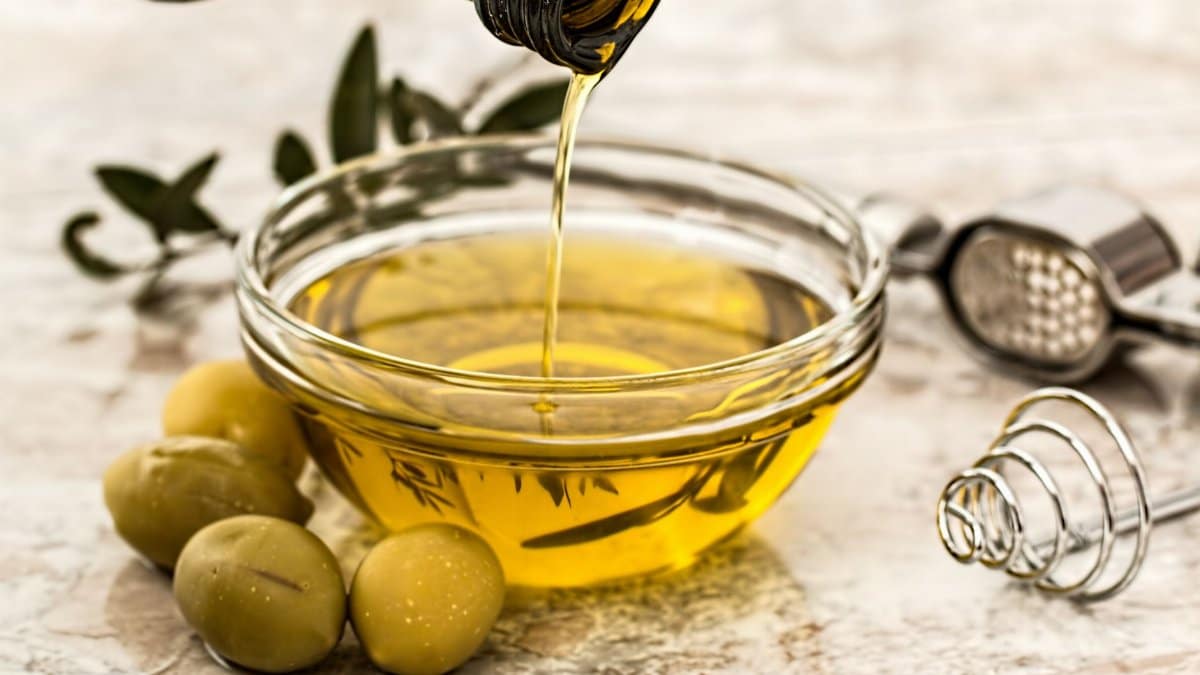
Daily intake of extra virgin olive oil supplies polyphenols that appear to calm vessel linings and discourage plaque buildup. Small clinical trials have measured improved endothelial function within weeks of increasing consumption. Participants often report steadier energy and fewer blood pressure spikes during routine monitoring.
Combining Movement With Dietary Shifts

Walking after meals aids blood sugar control while the same activity supports weight maintenance. Groups that pair the eating pattern with regular moderate motion record additive gains in cardiovascular markers. Community programs now offer group strolls followed by shared meals to reinforce both habits simultaneously.
Addressing Common Barriers to Adoption

Time pressure and unfamiliar ingredients often deter newcomers. Simple swaps such as roasting a tray of vegetables on Sunday or keeping canned fish on hand reduce friction. Cookbooks focused on thirty minute preparations help translate traditional dishes into schedules crowded by work and family duties.
Potential Influence on Broader Wellness Trends

Interest in mindful eating has grown within wellness circles that overlap with spiritual practices emphasizing gratitude for food sources. Retreat centers occasionally incorporate guided meals drawn from this pattern to foster both physical vitality and reflective pauses during the day.
Guidance for Gradual Implementation

Nutritionists recommend starting with one change per week such as adding a serving of leafy greens at lunch or swapping butter for olive oil in cooking. Tracking progress through simple food journals reveals patterns without creating pressure for perfection. Over months these incremental steps tend to become automatic rather than effortful.