
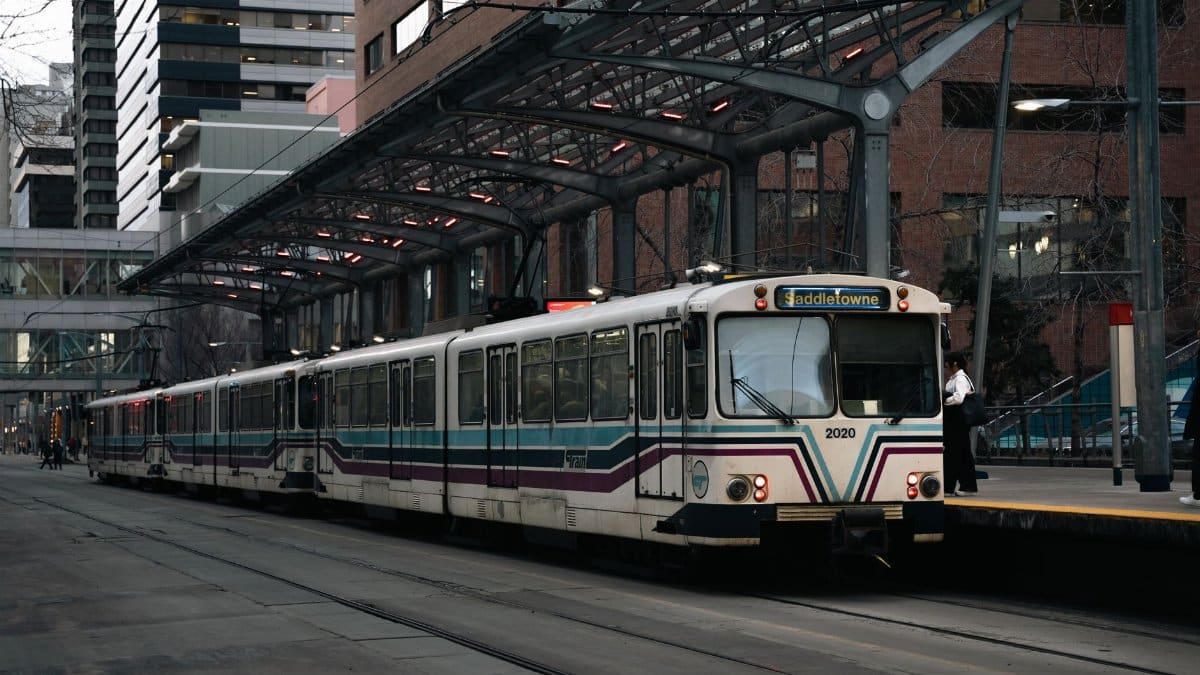
For years commuters in Massachusetts have voiced frustrations over delays and rising fares on the rail lines that connect their suburbs to Boston. Now with new details emerging about the MBTA Rail Contract the public has a chance to see how decisions are made behind the scenes and what changes might lie ahead for daily travel.
Background on the Current Agreement

The existing arrangement with Keolis has been in place since a certain year and covers operations across several lines serving thousands of passengers each day. Officials have released information to address concerns about expenses and reliability metrics.
Public Release of Contract Details
State leaders chose to share key portions of the agreement in an effort to build trust. The documents outline payment structures and performance targets that will guide service through the next decade.
Cost Considerations for Taxpayers

Financial projections show annual outlays in the hundreds of millions. Analysts note that inflation and labor costs could push totals higher unless efficiencies are found soon.
Performance Standards and Rider Expectations

Goals for on time arrivals and equipment maintenance appear throughout the papers. Riders hope these targets translate into smoother journeys during peak hours.
Role of Competitive Bidding

Earlier rounds drew interest from several firms yet the process favored the incumbent operator. Lawmakers now question whether future rounds will attract broader participation.
Impact on Regional Economic Growth
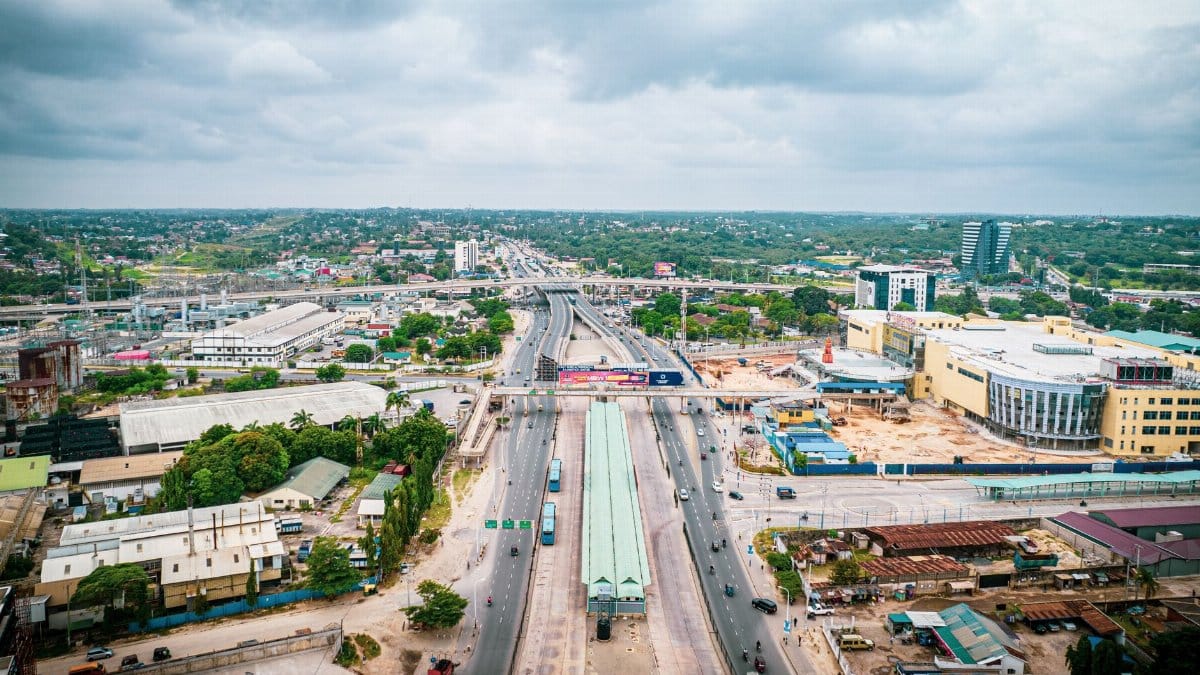
Reliable rail service supports jobs in downtown offices and suburban business districts alike. Any improvements or setbacks in the contract terms could ripple through local economies.
Environmental Implications of Rail Operations
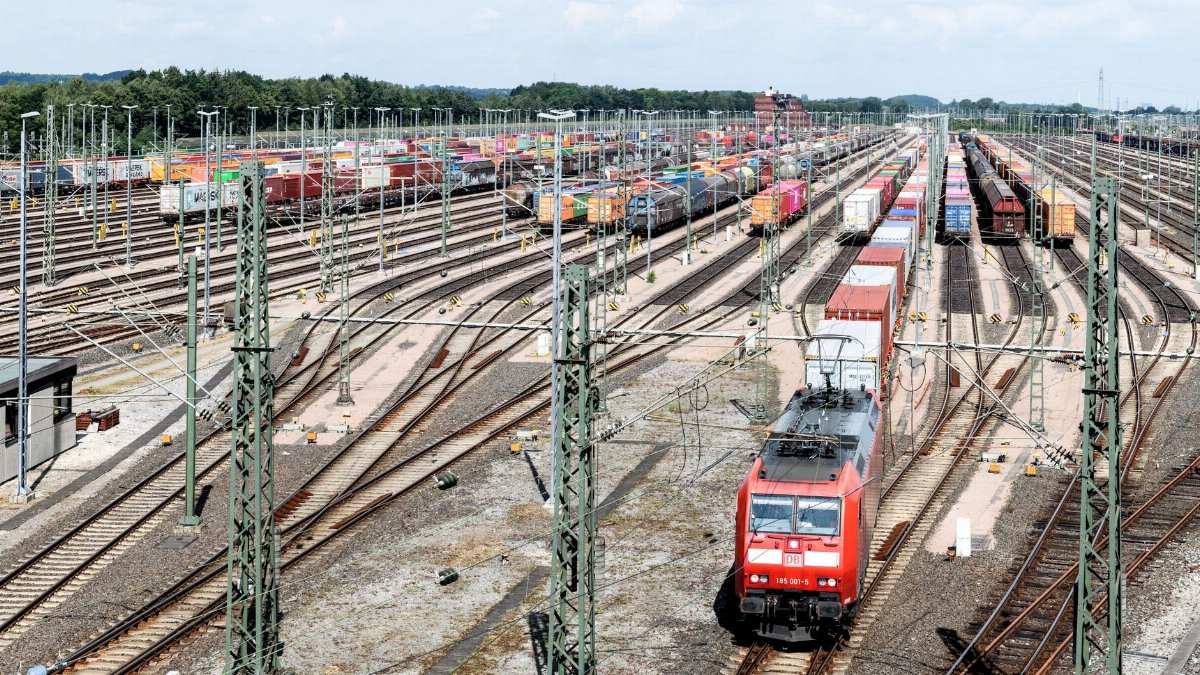
Expanded use of electric trains forms part of broader climate plans for the state. The agreement includes provisions for fleet upgrades that aim to lower emissions over time.
Community Input and Future Adjustments

Public meetings are scheduled in several cities to gather feedback. Changes to the MBTA Rail Contract could follow if enough residents highlight persistent problems.
Comparisons with Other Transit Systems

Neighboring states manage similar contracts with different oversight models. Lessons from those examples may help Massachusetts refine its own approach.
Next Steps for Oversight Bodies

Legislative committees plan hearings to review the released materials. Their findings could shape amendments before the next budget cycle.