
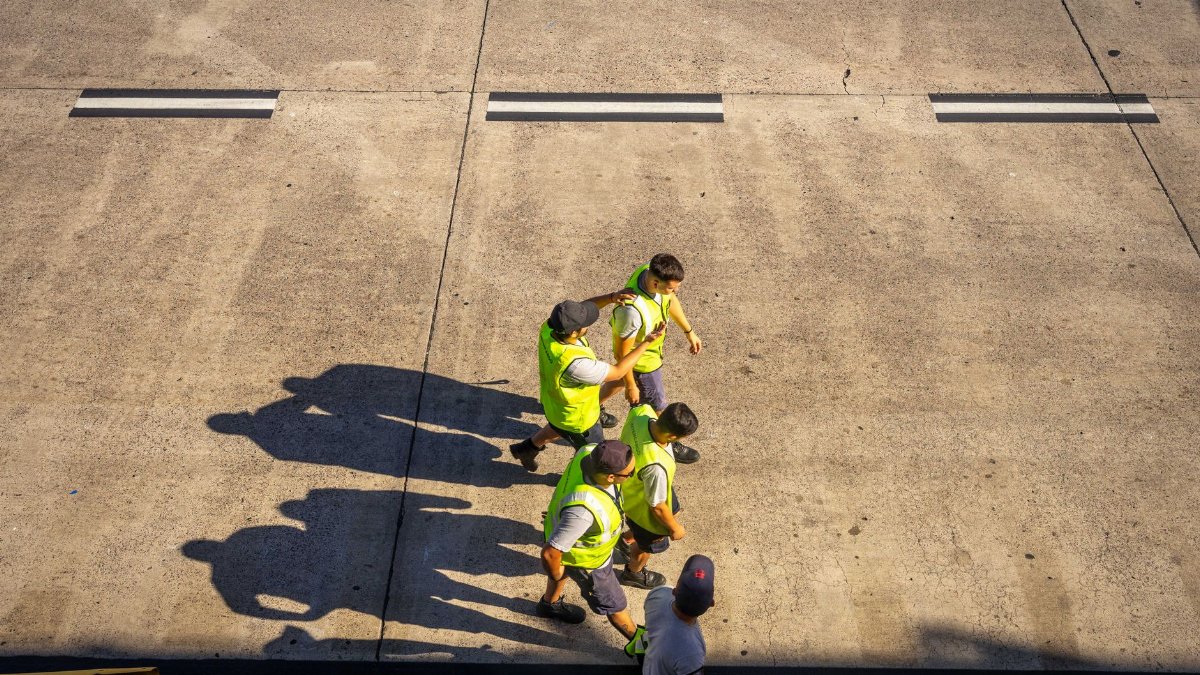
Mayor John Whitmire stood before a gathering of workers and union representatives at George Bush Intercontinental Airport to unveil an executive order that lifts the floor on pay for thousands of employees. The order sets a new base of twenty dollars an hour right away and raises it further to twenty three dollars by two thousand twenty eight. Observers view the step as a measured response to rising living costs and persistent staffing shortages across the terminals. In the weeks since the signing, attention has turned to how this Houston airport wage increase will ripple through the regional economy and affect daily operations at both major airports serving the city.
Origins of the Executive Order

The mayor cited months of conversations with labor groups and airport management before issuing the order. Previous wage levels had remained unchanged for several years while inflation and housing costs climbed steadily in Harris County. City data showed turnover rates exceeding thirty percent in some ground crew and cleaning roles, prompting concerns about service reliability during peak travel seasons.
Immediate Changes for Airport Employees

Workers in roles such as baggage handling, security screening support and facility maintenance will see the first adjustment in their next pay cycle. Many of these positions are contracted through private firms that operate under city agreements, so the order requires those companies to adjust their payroll structures accordingly. Early reports indicate that morale has improved among long tenured staff who had considered leaving for higher paying opportunities elsewhere in the metro area.
Staged Increases Through Two Thousand Twenty Eight

The plan calls for the second phase to take effect in two thousand twenty six at twenty one dollars and fifty cents, followed by the final increase two years later. Officials chose this graduated approach to give contractors time to renegotiate their budgets with airlines and concessionaires. City analysts project that the full implementation will add roughly forty million dollars annually to overall labor expenses across both airports once the last step is reached.
Union Perspectives on the Houston Airport Wage Increase

Labor leaders described the move as a meaningful acknowledgment of essential contributions made by employees who keep flights running on schedule. They noted that similar adjustments at other transportation hubs have reduced absenteeism and improved recruitment pools. Several organizers emphasized that continued dialogue will be needed to address benefits such as health coverage and retirement contributions that remain below industry averages.
Financial Planning for Contractors

Companies that hold service agreements with the city must now recalculate their bids and absorb or pass along added payroll costs. Some have already opened talks with airline partners about modest fee adjustments on tickets and cargo handling. Finance directors at the airport system report that contingency funds set aside during the pandemic will help cover the first year without immediate rate hikes for passengers.
Comparisons to Wage Levels at Peer Airports

Atlanta, Dallas and Denver have all raised minimums for airport contractors in recent years, though their timelines and final figures differ. Houston now joins that group with a target that exceeds the current federal contractor minimum yet falls short of the highest coastal city rates. Local economists suggest the adjustment positions the region competitively for talent while remaining mindful of overall operating budgets.
Effects on Passenger Experience and Operations

Airport managers anticipate fewer delays caused by understaffed shifts once the new rates attract more applicants. Travelers may notice quicker responses at information desks and cleaner facilities during busy periods. Early data from similar increases at other facilities indicate that retention improves within six to nine months when pay crosses the twenty dollar threshold.
Outlook for Ongoing Labor Discussions

City council members have signaled interest in monitoring the results through quarterly reports on staffing levels and service metrics. Some have floated the idea of extending comparable standards to other municipal contractors outside the aviation sector. The current Houston airport wage increase serves as a test case that could shape future policy across additional city departments.