
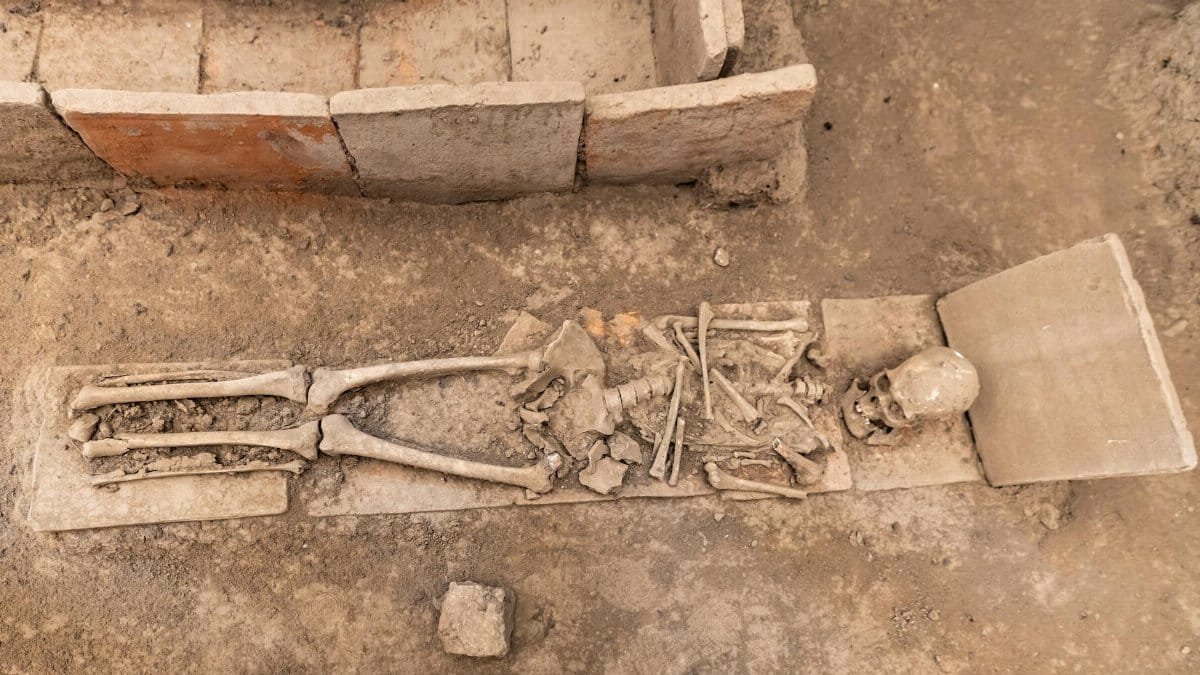
Archaeologists have uncovered haunting evidence of prehistoric brutality in a Serbia mass grave, where a 2,800-year-old Iron Age burial pit holds the remains of numerous victims—mostly women and children. A fresh bioarchaeological analysis reveals they met their ends through highly deliberate and efficient violence, likely inflicted by seminomadic herders amid fierce territorial clashes. This discovery peels back layers on the savage culture wars that shaped early Europe, painting a picture of terror and conflict far removed from romanticized views of ancient life. As reported by Smithsonian Magazine, the findings underscore the grim realities of Iron Age survival struggles.
Unveiling the Serbia Mass Grave

The Serbia mass grave, dating back some 2,800 years to the Iron Age, emerged as a stark window into a forgotten episode of human savagery. Buried in a single pit, the human remains tell a story of mass death, where communities clashed violently over land and resources. This wasn’t random chaos but a calculated act, as bioarchaeologists have pieced together from skeletal evidence. The site’s seminomadic context suggests herders roaming the landscapes of what is now Serbia, defending or expanding territories with ruthless efficiency. Such pits, rare but telling, force us to confront how precarious life was in prehistoric Europe, where disputes escalated into wholesale slaughter.
Victims: A Community of Women and Children
Among the most chilling aspects of the Serbia mass grave is the makeup of its victims: the vast majority were women and children. This demographic skew speaks volumes about the nature of the attack. These weren’t warriors felled in battle but noncombatants caught in the crossfire of territorial ambition. Imagine families herded together, their lives snuffed out in a frenzy of violence that spared few. The bioarchaeological data points to trauma patterns consistent with deliberate targeting, evoking the terror of entire groups wiped out to eliminate future claims on the land. It’s a reminder that prehistoric conflicts often preyed on the vulnerable, reshaping demographics in brutal strokes.
Bioarchaeological Clues to the Massacre
Modern science has breathed life into the bones of the Serbia mass grave, revealing patterns of injury that scream intentional brutality. Cuts, fractures, and other marks on the skeletons indicate weapons wielded with precision—blows meant to kill quickly and thoroughly. This efficiency hints at attackers who knew their grim trade, perhaps honed through repeated skirmishes. By studying bone healing, or the lack thereof, researchers discerned perimortem violence, meaning death came swiftly. Such analysis, blending forensics with anthropology, transforms dry remains into a narrative of horror, much like how similar techniques have illuminated other ancient atrocities across Europe.
The Role of Seminomadic Herders

Seminomadic herders stand out as the likely perpetrators behind the violence in the Serbia mass grave. These mobile groups, reliant on livestock and seasonal pastures, navigated a world of scarce resources where territory was everything. Clashes with settled communities would have been inevitable, erupting into mass killings to secure grazing lands or drive out rivals. The deliberate nature of the attacks—brutal yet streamlined—fits the profile of herders protecting their migratory way of life. In an Iron Age marked by shifting alliances, such groups wielded mobility as a weapon, striking hard and vanishing, leaving pits like this as silent testimony.
Deliberate and Efficient Violence

What sets this Serbia mass grave apart is the evident deliberation in the killings. Victims didn’t die in haphazard brawls; the evidence shows methodical strikes, optimized for maximum lethality with minimal effort. This efficiency could reflect tactical know-how, where herders minimized risks to themselves while ensuring no survivors could retaliate. Blunt force, sharp edges—whatever tools were at hand—were applied with cold purpose. It’s a far cry from glorified heroic battles; instead, it mirrors the pragmatic cruelty of survival, where wiping out women and children neutralized long-term threats to territorial control.
Territorial Conflicts in Prehistoric Europe

The Serbia mass grave illuminates the terrifying underbelly of early European territorial conflicts. In the Iron Age, as populations grew and resources strained, disputes over land fueled cycles of violence. Seminomadic herders, ever on the move, clashed with those tied to fixed settlements, leading to events like this massacre. The pit’s contents highlight how such wars weren’t abstract strategies but visceral horrors, with families paying the ultimate price. This discovery aligns with broader patterns in prehistoric Europe, where competition for fertile ground often escalated into community-wide extermination, etching deep scars into the continent’s formative history.
Culture Clashes and Their Lasting Echo

At its core, the analysis of the Serbia mass grave exposes violent prehistoric culture clashes between herding nomads and perhaps more sedentary groups. These weren’t mere raids but existential struggles, where one way of life sought to dominate another. The focus on women and children underscores a strategy to eradicate bloodlines and claims to the soil, a tactic as old as human ambition. Bioarchaeology here doesn’t just catalog deaths; it humanizes them, forcing reflection on how territorial imperatives drove our ancestors to such extremes. In today’s world of borders and migrations, the pit serves as a sobering parallel, reminding us that the roots of conflict run deep.
What the Findings Mean Today

While 2,800 years separate us from the Serbia mass grave, its lessons resonate. The efficient brutality uncovered challenges sanitized views of prehistory, revealing a Europe forged in blood and fear. By attributing the violence to seminomadic herders, researchers highlight how mobility bred aggression in resource-poor times. For archaeologists, it’s a call to probe more such sites, potentially rewriting narratives of Iron Age society. For the rest of us, it’s a humbling glimpse into humanity’s capacity for terror, urging empathy across divides that echo those ancient territorial lines. As Smithsonian Magazine details, these bones demand we listen to the silenced voices of the past.