
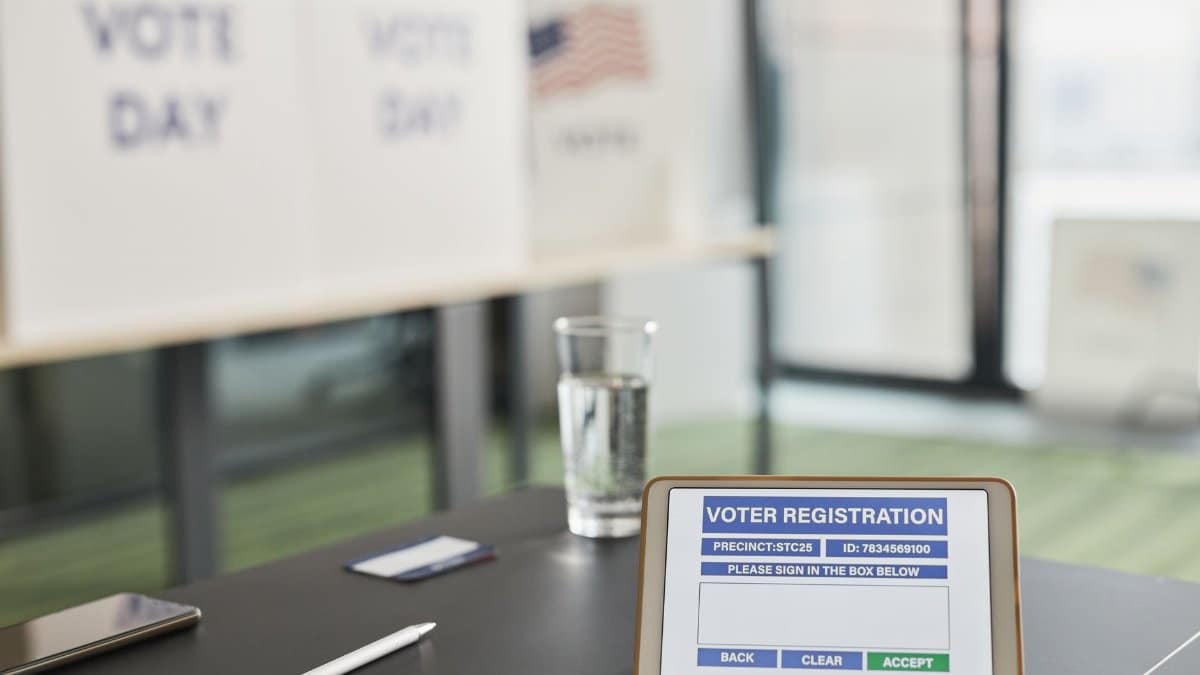
In recent years elections across the nation have faced growing scrutiny over reliability and protection from interference. Citizens in one mid Atlantic state now confront a substantial public investment in equipment that has yet to meet the latest federal standards. The Maryland voting system stands at the center of this discussion as officials move forward with payments despite lingering questions about readiness.
State Budget Pressures Shape Election Choices
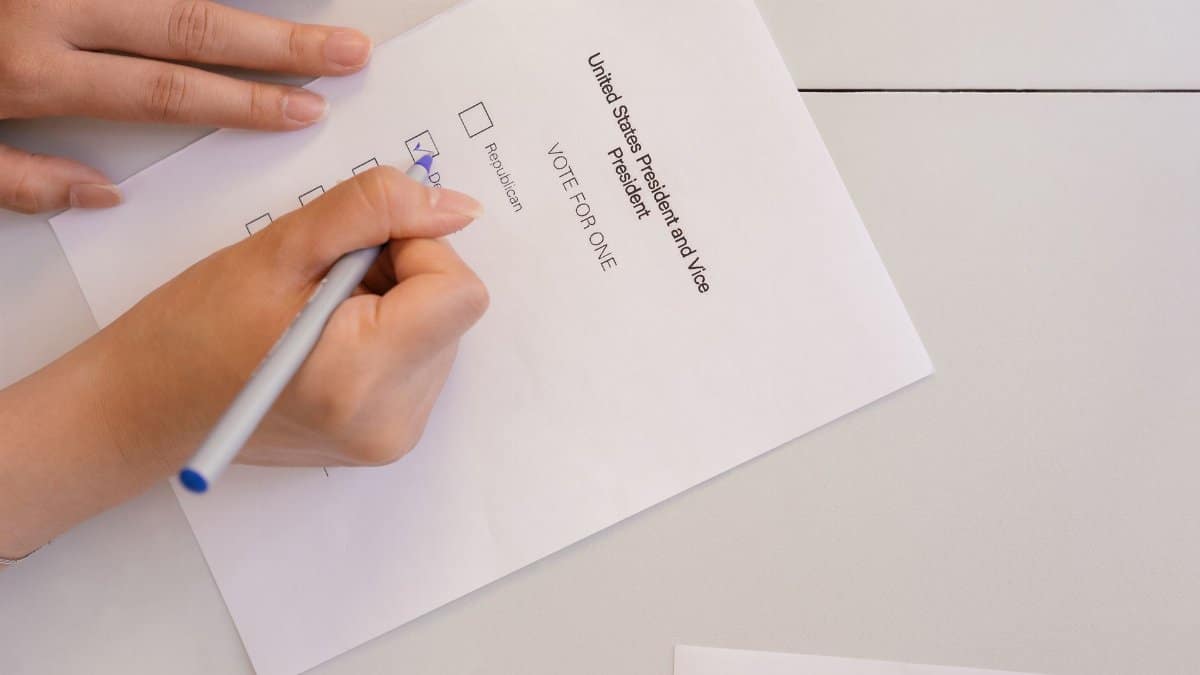
Allocating resources for new equipment requires balancing many competing needs within limited funds. Lawmakers weighed options carefully before approving the large sum for replacement machines. Delays in full certification have not halted the process but have prompted additional reviews by independent experts.
Security Standards Remain Incomplete
Federal guidelines call for specific protections against tampering and data breaches. The current setup in Maryland has not received all required approvals from national testing bodies. Officials acknowledge this gap yet emphasize ongoing work to close it before the next major contest.
Voter Experience and Machine Reliability

Many residents expect smooth operation at polling places without long waits or technical glitches. Past versions of similar systems drew complaints about usability and occasional malfunctions. Upgrades aim to address those issues while maintaining paper records for audits.
Timeline for Full Implementation
Phased rollout plans call for installation across counties over the coming months. Training for poll workers forms a key part of preparations to ensure consistent performance. Some areas may see the new machines sooner than others depending on logistics.
Public Trust in the Process

Surveys indicate that confidence in election outcomes hinges on visible safeguards and transparent procedures. Advocates for stronger verification methods continue to push for added layers of oversight. State agencies have scheduled community meetings to explain the changes and answer questions.
Comparisons With Neighboring Jurisdictions

Other states have pursued different paths toward updated equipment with varying degrees of success. Some completed federal reviews earlier and avoided extended payment schedules. Maryland officials studied those examples when shaping their own approach.
Role of Vendors and Contracts

Agreements with suppliers include provisions for maintenance and future updates. Penalties for missed milestones appear in the documents though enforcement remains to be seen. Regular progress reports will go to legislative committees for review.
Looking Ahead to Future Elections

Preparations continue even as certification work advances in parallel. The focus stays on delivering accurate results that withstand scrutiny from all sides. Continued attention from the public and media will help hold the process accountable.