
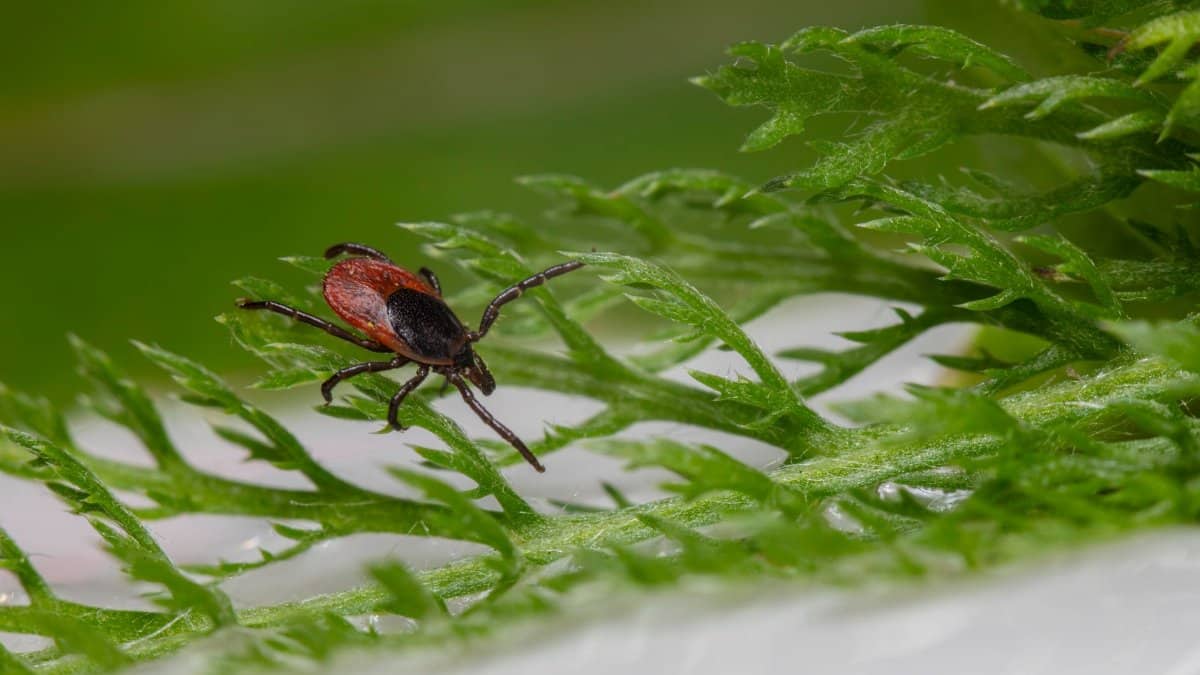
In the midst of rising summer temperatures and crowded community events across the Chesapeake region, health professionals observed a troubling pattern of digestive complaints that defied initial explanations. Families reported persistent stomach issues after attending local gatherings, leading investigators to identify the maryland parasitic illness outbreak as a key concern requiring urgent public attention. This development prompted state agencies to issue guidance on water safety and food handling while residents adjusted daily routines to protect vulnerable household members.
Tracing Early Reports of Unusual Symptoms

Medical facilities in several counties logged increased visits from individuals describing cramps, nausea and fatigue that lingered beyond typical durations. Doctors noted similarities among cases that pointed toward a shared source rather than isolated incidents. Public records show the pattern emerged gradually before gaining wider recognition through routine surveillance systems.
Role of Local Water Sources in Transmission

Investigations focused on recreational lakes and municipal supplies where testing revealed microscopic organisms capable of causing intestinal distress. Experts emphasized the importance of filtration and boiling procedures during peak exposure periods. Communities responded by posting notices at popular swimming areas to limit contact until further assessments concluded.
Impact on Family Gatherings and Outdoor Activities

Parents began reconsidering plans for picnics and reunions after learning how easily the parasite spreads through contaminated surfaces. Older adults and children faced heightened risks that altered traditional summer schedules. Local organizations offered alternative indoor venues equipped with enhanced sanitation measures to maintain social connections safely.
Guidance from State Health Agencies
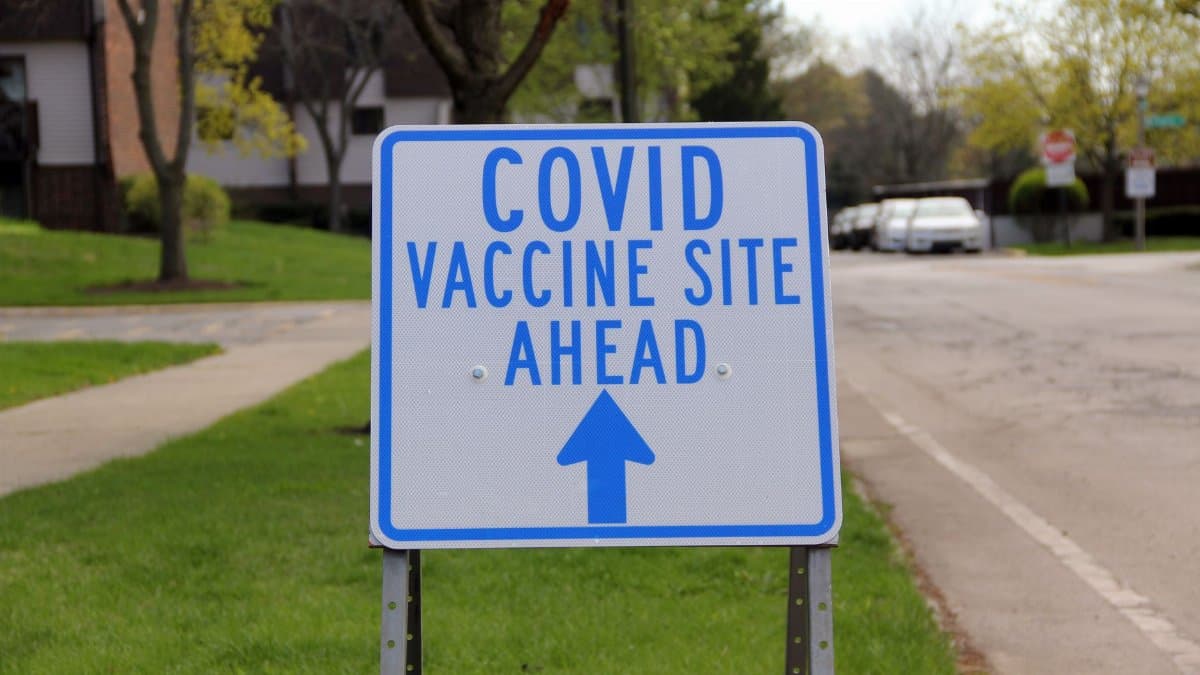
Officials distributed pamphlets detailing handwashing protocols and produce cleaning techniques that reduce infection chances. Collaboration with restaurants and markets helped standardize practices across supply chains. Regular updates through community meetings kept residents informed as new data emerged from ongoing monitoring efforts.
Connection to Broader Environmental Changes

Warmer conditions and heavier rainfall events created favorable environments for parasite survival outside host bodies. Researchers examined historical climate records alongside current case clusters to understand contributing factors. Such analysis supports calls for improved infrastructure investments that address runoff and drainage challenges in rural zones.
Personal Accounts from Affected Residents

One suburban family described weeks of disrupted work and school attendance after multiple members fell ill following a neighborhood barbecue. Their experience highlighted the value of prompt medical consultation when symptoms persist. Neighbors shared similar stories that underscored collective responsibility in preventing further spread.
Faith Communities Offering Support Networks

Churches and spiritual centers in affected areas organized prayer gatherings and meal deliveries for those recovering at home. These efforts blended practical assistance with emotional encouragement during uncertain times. Leaders encouraged reflection on resilience and mutual care as part of holistic responses to the maryland parasitic illness outbreak.
Lessons for Future Prevention Strategies
The episode reinforced the need for proactive education campaigns targeting schools and workplaces. Partnerships between government bodies and private groups aim to develop rapid response toolkits for similar events. Ongoing vigilance remains essential to safeguard public wellbeing against recurring threats tied to the maryland parasitic illness outbreak.
Looking Ahead with Informed Awareness
Residents continue adapting habits around food preparation and water consumption based on recommendations from the maryland parasitic illness outbreak response teams. Sustained attention to environmental stewardship may limit future occurrences while fostering stronger community bonds. This situation serves as a reminder that collective action protects shared resources for generations to come.