

In recent summers the Pacific Northwest has seen skies turn hazy as smoke drifts in from remote burns, prompting many to check daily readings before stepping outside. This pattern has made PNW wildfires air quality a recurring topic in local discussions as communities weigh health risks against the pull of outdoor routines. Residents from Seattle to Boise often find themselves adapting plans based on shifting conditions that seem to arrive earlier each year.
Regional Fire Positions at Present
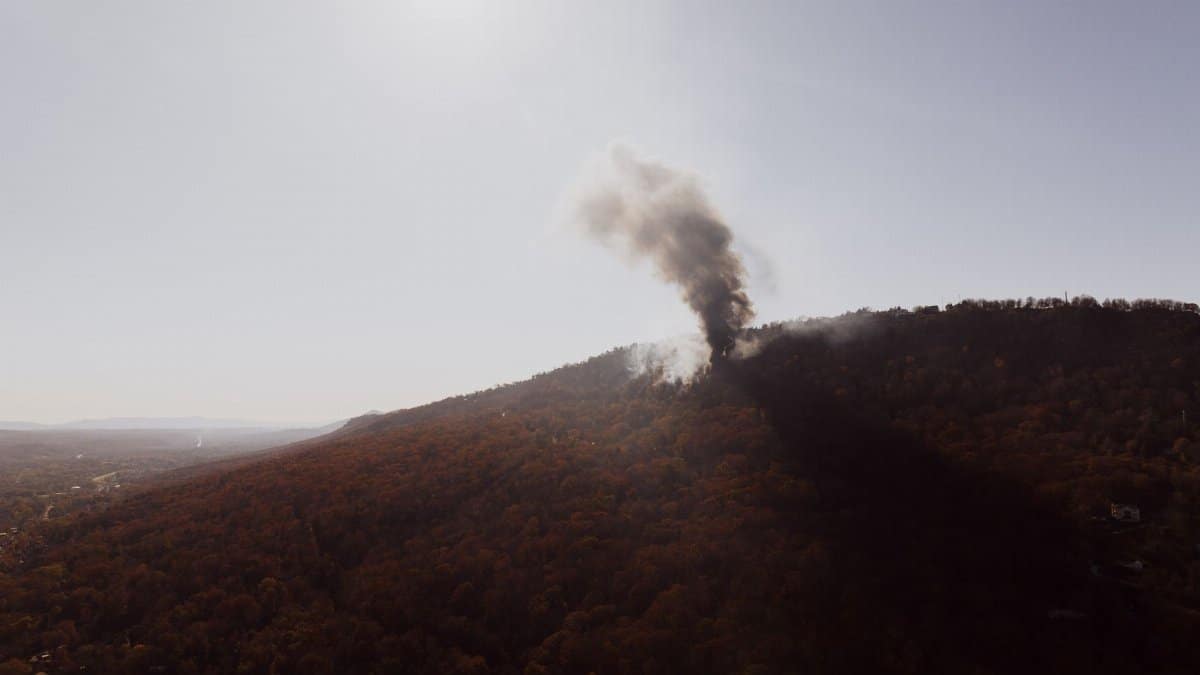
Forestry teams track several active sites in eastern Washington and central Oregon where lightning and dry conditions have sparked growth. Maps from state agencies show these zones expanding slowly with winds aiding spread in some spots. Updates arrive regularly to help residents stay informed about proximity to populated areas.
Air Conditions in Major Cities
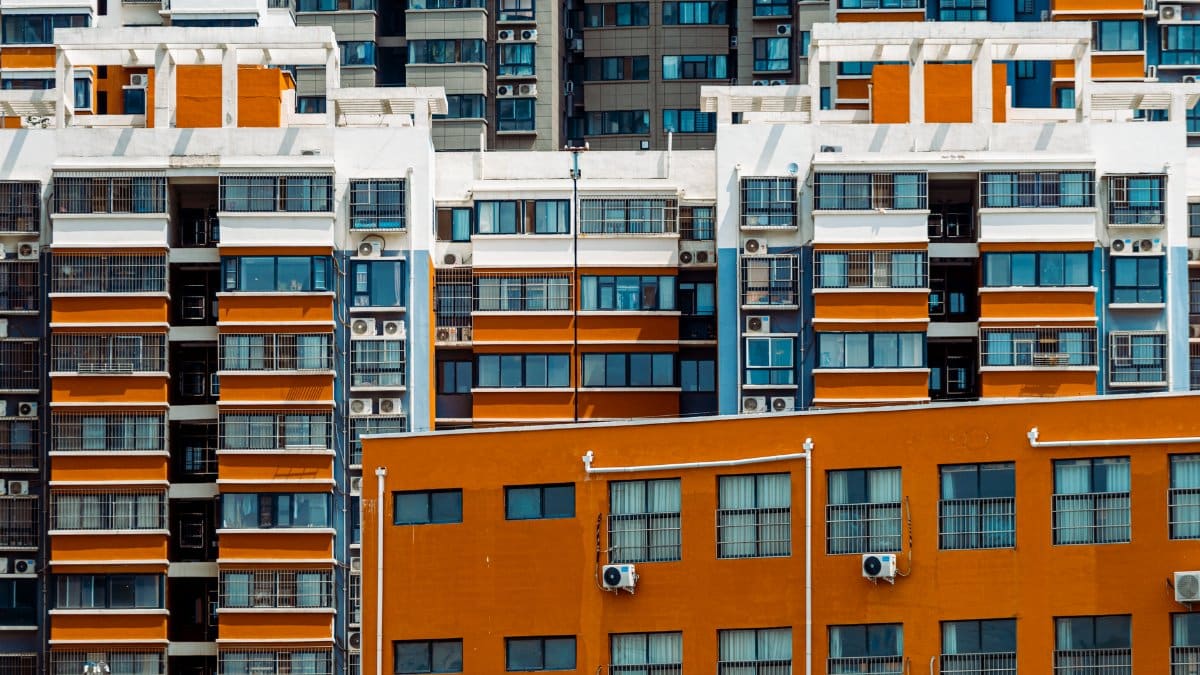
Seattle and Portland report varying levels of particulate matter as winds carry particles from distant sources. Monitors indicate periods when outdoor activity warrants caution especially for those with breathing concerns. Local health departments issue guidance that aligns with broader trends seen across the region.
Health Effects on Daily Living

Extended exposure to smoky conditions can lead to irritation in the eyes and throat for many people. Schools sometimes adjust recess times while offices encourage indoor alternatives during peak hours. Medical experts note that vulnerable groups benefit from extra precautions to limit discomfort over time.
Tools for Tracking Changes

Online maps and apps provide real time views of both fire perimeters and air readings allowing users to plan around updates. These resources draw from satellite data combined with ground reports to offer a clearer picture. Many find them essential for deciding when to wear masks or close windows at home.
Community Responses and Preparations

Neighborhood groups organize supply drives for masks and filters as awareness grows. Some cities open clean air centers during intense periods to offer relief to those without adequate home systems. These efforts reflect a collective approach to managing the seasonal challenges.
Environmental Factors at Play
Dry vegetation and shifting climate patterns contribute to the frequency of ignitions across forested zones. Scientists point to longer dry spells that leave fuels ready for sparks from any source. Understanding these elements helps explain why PNW wildfires air quality remains a focus for policy discussions.
Economic Pressures from Disruptions

Tourism and outdoor events face cancellations when conditions worsen leading to losses for small businesses. Agriculture also feels effects as workers limit hours in the fields during hazy days. Recovery often requires coordinated support from state programs to ease the strain.
Looking Ahead to Future Seasons

Officials explore new strategies for forest management and early detection to reduce large scale events. Investments in technology aim to improve response times and limit the spread once fires begin. PNW wildfires air quality discussions continue to shape these plans as awareness spreads among residents and leaders alike. The original source for related details appears at https://www.seattletimes.com/.