
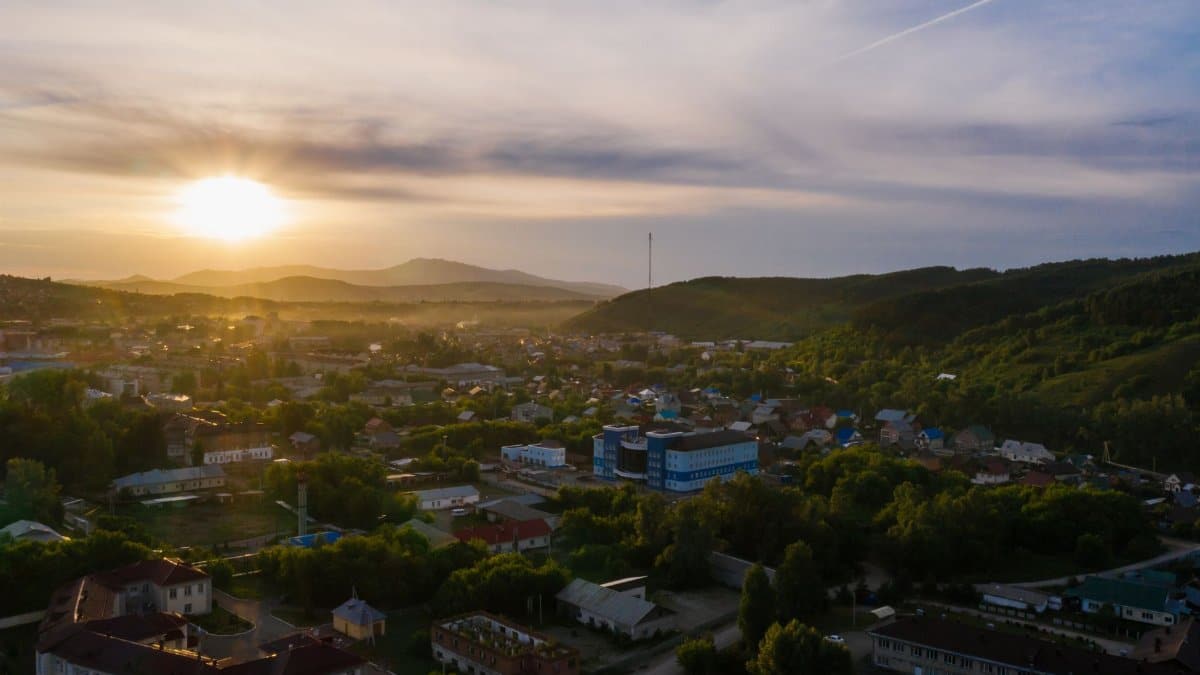
Before most kitchens had filled with coffee, a small shudder moved through bedrooms southwest of Brentwood and then was gone. Some people sat up. Some checked a window and found the street unchanged. The Brentwood 3.0 earthquake did not crack freeways or empty schools, yet it arrived at the hour when the mind is least defended and most willing to assign meaning. In a region that already lives with larger memories, a modest tremor can feel less like news than like a question asked too early in the day.
What Monday morning reports actually established
Regional accounts placed the tremor on Monday morning, about 7.4 miles southwest of central Brentwood in Contra Costa County. That is a precise enough location to orient neighbors and a vague enough one to send people comparing notes across group texts. A magnitude 3.0 event sits near the lower edge of what many residents will notice if they are awake, still, or in a quiet house. Drivers may miss it. Someone standing at a sink may not.
The useful fact is not drama. It is placement. Southwest of the city center puts the shaking in a band of suburbs, ranches, and commuter roads rather than in a single downtown block. People in one cul de sac felt a roll. People a few miles farther along felt nothing and learned about it from a phone. That split is ordinary, and it is also why small quakes generate so many confident, conflicting stories before breakfast is over.
Why a number this small still gathers a crowd
Magnitude is not a measure of fear, and fear does not scale in neat decimals. A 3.0 can rattle a glass and leave a life unmarked. It can also reopen a private ledger: the Loma Prieta morning, a cracked chimney in an older house, a child who asked whether the floor was supposed to move. For middle aged residents of the East Bay, geology is not an abstract school subject. It is a file of half remembered drills and one or two days that reordered the week.
News of a minor quake travels because it is shareable and because it brushes a standing anxiety without demanding a full emergency response. The Brentwood 3.0 earthquake offered a complete story in miniature. There was a time, a place, a number, and an ending in which everyone was still fine. That combination is rare enough to feel like a gift, and unsettling enough to feel like a preview.
How the East Bay keeps company with faults
Contra Costa County sits in a landscape stitched by faults that most commuters never name. The hills are scenery until they are also structure. Foundations, retrofits, and insurance renewals turn that structure into paperwork. A dawn tremor does not rewrite the hazard map. It reminds people that the map was never theoretical.
Scientists at the U.S. Geological Survey describe magnitude as a measure of the energy released at the source, not as a direct forecast of damage at a particular address. Depth, distance, soil, and building type all intervene between the number on a screen and the sensation in a hallway. A shallow quake can feel sharper nearby. A deeper one can feel broader and duller. Residents do not need the full formula to grasp the practical point: the same magnitude can be a story in one zip code and a rumor in the next.
The particular quiet of a shake at dawn
Dawn changes the acoustics of an event. Traffic has not yet covered the small sounds. A picture frame ticks against a wall. A dog stands up. The house, which at noon is a machine of appliances, becomes a single listening object. People report not only motion but a brief sound, sometimes compared with a truck on a distant road, sometimes with nothing they can name.
That quiet also changes interpretation. At midday a jolt competes with meetings and errands. At dawn it arrives beside sleep, prayer, worry, or the simple inventory of being alive another day. Spiritual communities notice this hour because so many of their practices already claim it. A tremor does not have to be read as a sign in order to land inside a ritual space. It lands inside attention.
What measurement can and cannot settle

Within minutes, automated systems post a preliminary magnitude and a preliminary location. Those figures can shift slightly as more stations report. For a small event, the revision is usually a matter of detail rather than a change in kind. Residents waiting for an official sentence often want something the instruments will not give: whether this was the start of a sequence, whether a larger quake is due, whether the timing meant anything.
Seismology can describe aftershocks as a statistical pattern, more likely after larger main shocks and less newsworthy after a 3.0. It cannot bless a morning or condemn one. The USGS earthquake program is built to reduce surprise about the physical facts, not to close the human questions those facts provoke. Treating a preliminary post as prophecy is a category error. Treating it as irrelevant because the dishes survived is another.
Congregations, kitchens, and the first calls
In Brentwood and the towns around it, the first institution to respond to a small quake is rarely a government office. It is a household. Someone texts a parent. Someone asks a neighbor whether the water heater is strapped. A parish office that opens later in the morning may find a voicemail that is really a request for company, not for theology. Mosques, churches, temples, and informal prayer groups function as switchboards in moments that are too slight for sirens and too sharp for silence.
That role sits squarely inside what might be called spiritual news, if the phrase is allowed to mean something sturdier than horoscope. The trend worth watching is not a surge in predictions. It is the way ordinary religious and reflective communities absorb minor public shocks and turn them into checklists, visits, and revised habits. A quake that does not damage a sanctuary can still change what a community talks about on the following Sunday, Friday, or Saturday.
The temptation to overread a minor tremor

Every noticeable quake produces a second shaking, this one made of interpretation. Social feeds fill with maps, jokes, and claims that a pattern is now obvious. Some of those claims borrow religious language. Some borrow the authority of science without its patience. Both can comfort people who dislike uncertainty, and both can crowd out the plainer work of preparation.
A responsible reading starts with scale. The Brentwood 3.0 earthquake was a real event and a limited one. It does not confirm a private timetable for disaster, and it does not prove that concern is foolish. Holding both truths is harder than choosing a camp. Journalism can help by refusing to inflate the number and refusing to sneer at the people who felt it. Magnitude is a physical fact. Startle is a human one. They are allowed to coexist.
Preparedness as a practice rather than a mood
Federal guidance collected at Ready.gov frames earthquake readiness as a set of ordinary actions: secure heavy furniture, know how to drop, cover, and hold on, keep water and medications where they can be reached if power or roads fail, and agree on a way to reconnect if phones are jammed. None of that depends on believing that this week is special. All of it becomes easier to discuss after a harmless reminder.
For households that already keep a faith practice, preparedness can sit beside other disciplines without becoming superstition. A strapped bookcase is not a prayer, and a prayer is not a retrofit. Communities that blur those categories do their members no favor. Communities that hold them together, practical care next to meaning, tend to be the ones neighbors call when the next odd morning arrives. The spiritual trend, if it deserves the name, is this refusal to choose between competence and consolation.
What older houses and newer streets reveal
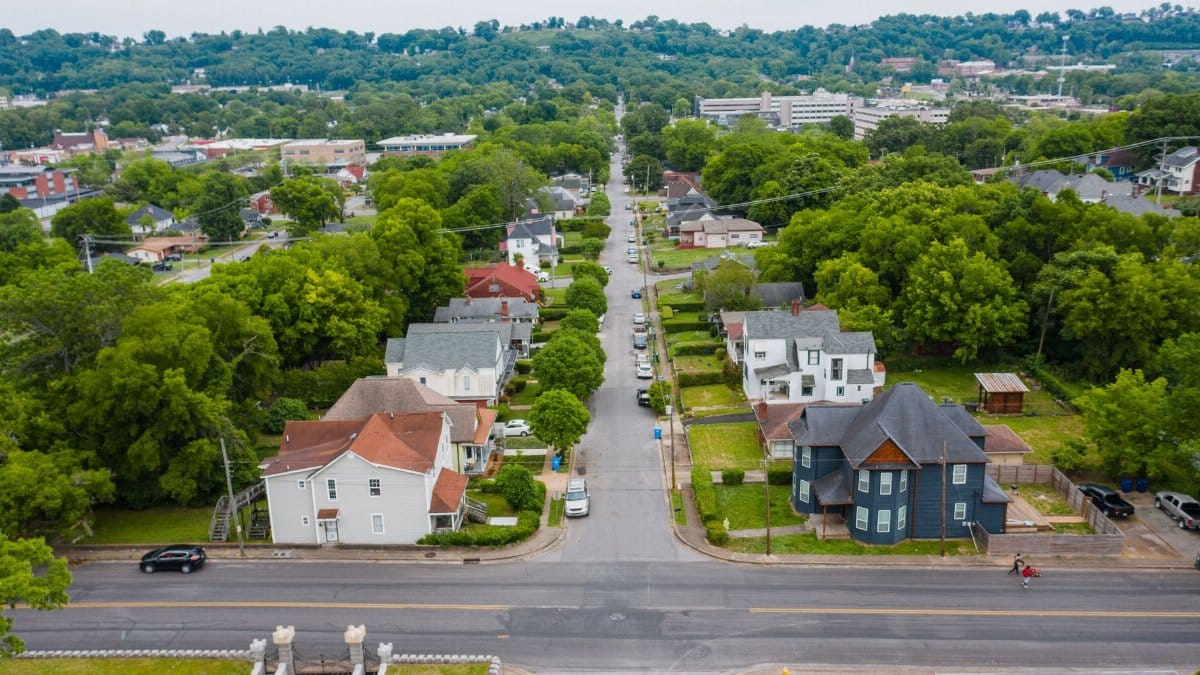
Brentwood has grown quickly, and growth changes how a quake is felt in memory even when it is barely felt in walls. Newer tracts may have anchoring that older cottages lack. Older streets may have neighbors who have already lived through a stronger shake and therefore answer the group text with calm that sounds, to newcomers, like indifference. Both reactions are information.
A 3.0 will not sort safe buildings from unsafe ones. Damage, when it comes, prefers the unbraced chimney, the unsecured water heater, the soft story, the hill soil that amplifies motion. Those vulnerabilities are visible on an ordinary afternoon. The dawn quake merely lends them a sentence. Local building departments and retrofit programs exist for that afternoon work. They are less cinematic than a magnitude number and more likely to matter if a larger event ever uses the same faults.
Children, elders, and the stories we pass on
A small quake is also a teaching moment that can go wrong. Children take their cue from the adult voice in the room. If that voice leaps to catastrophe, the lesson is panic. If it dismisses the feeling entirely, the lesson is that bodily alarm is silly. A better middle tells the truth in proportion. Yes, the floor moved. No, this one did not break the house. Here is what we do if a stronger one comes. Here is where the flashlight lives.
Elders often carry the opposite problem. They have stories that younger neighbors have only read. Sharing those stories without turning every 3.0 into 1989 requires editing, which is a moral skill as much as a narrative one. The point of memory is not to dominate the present. It is to keep the present from pretending it invented risk.
Media habits after the shaking stops

By late morning the tremor had already begun to recede into the regional scroll, replaced by traffic, weather, and whatever else Monday required. That speed is not callousness. It is capacity. A metropolitan news diet cannot stay inside every minor seismic post without losing the ability to recognize a major one. Readers still deserve a clean account: where it was, how strong it was, what it did not do, and where to look if the facts are revised.
The Brentwood 3.0 earthquake will not anchor a year in review. It may anchor a private week. Someone will remember that they finally bought the kit they had postponed. Someone else will remember that they slept through it and felt oddly left out. Journalism records the public version and leaves the private one alone, except to note that private versions are how communities actually metabolize hazard.
A modest event and the questions it leaves standing

There is a style of spiritual commentary that wants every disturbance to become a parable before noon. A better commentary waits. It asks who was alone when the house moved, who had no plan, who used the moment to reconnect, and who turned a number into a threat they could not support. Those questions belong to pastors and also to city staff, reporters, and neighbors.
The physical record is short. A Monday morning magnitude 3.0, placed about 7.4 miles southwest of central Brentwood, felt by some and missed by others, caused no scene that would dominate a front page. The human record is longer. It includes the pause at dawn, the text sent to a parent, the decision to strap a shelf, and the discipline not to invent a prophecy the instruments never offered. In that gap between a small fact and a lasting habit, a minor quake does its quietest work.