

Loyola University Chicago has announced plans to close its longstanding master’s offering in Hispanic studies, a move that has prompted discussion across academic circles about shifting priorities in higher education. The decision follows an internal academic review and affects a program that once drew students eager to examine Latino literature, migration patterns, and cultural contributions in depth. Faculty members and alumni now weigh what this change signals for similar fields at institutions nationwide. Loyola Hispanic studies once stood out for its interdisciplinary approach that combined language training with social analysis.
Origins of the program at Loyola

The initiative began decades ago as universities across the country responded to growing interest in Latino experiences. Early courses focused on literature from Mexico, Puerto Rico, and Central America while later expansions added topics such as labor movements and urban communities in Chicago itself. Professors built partnerships with local organizations that allowed students to conduct fieldwork alongside traditional seminars.
Details behind the closure decision

Administrators cited enrollment trends and resource allocation as central factors during the review. University statements emphasized that undergraduate offerings in related areas will continue, yet the graduate track required sustained funding that current numbers could not justify. Similar reviews have taken place at other private institutions facing comparable budget pressures.
Reactions from current students

Those enrolled in the final cohorts describe a sense of uncertainty about completing their degrees and finding equivalent training elsewhere. Several noted the personal connections they formed through the program, including mentorships that extended into community projects. One participant spoke of shifting research plans to align with remaining departmental resources.
Faculty perspectives on program value

Instructors highlight the intellectual contributions made by graduates who went on to teach, work in nonprofits, or pursue further scholarship. They point to publications and conferences that originated from Loyola Hispanic studies coursework. Some worry that without a dedicated graduate path, the university may lose visibility in a field that continues to expand nationally.
Broader trends in language and area studies

Departments focused on specific cultural regions have encountered enrollment challenges at many colleges amid rising emphasis on professional degrees. Data from national associations show modest declines in certain humanities tracks over the past decade. Institutions have responded by merging programs or creating new certificates rather than maintaining full master’s degrees.
Impact on Chicago Latino communities
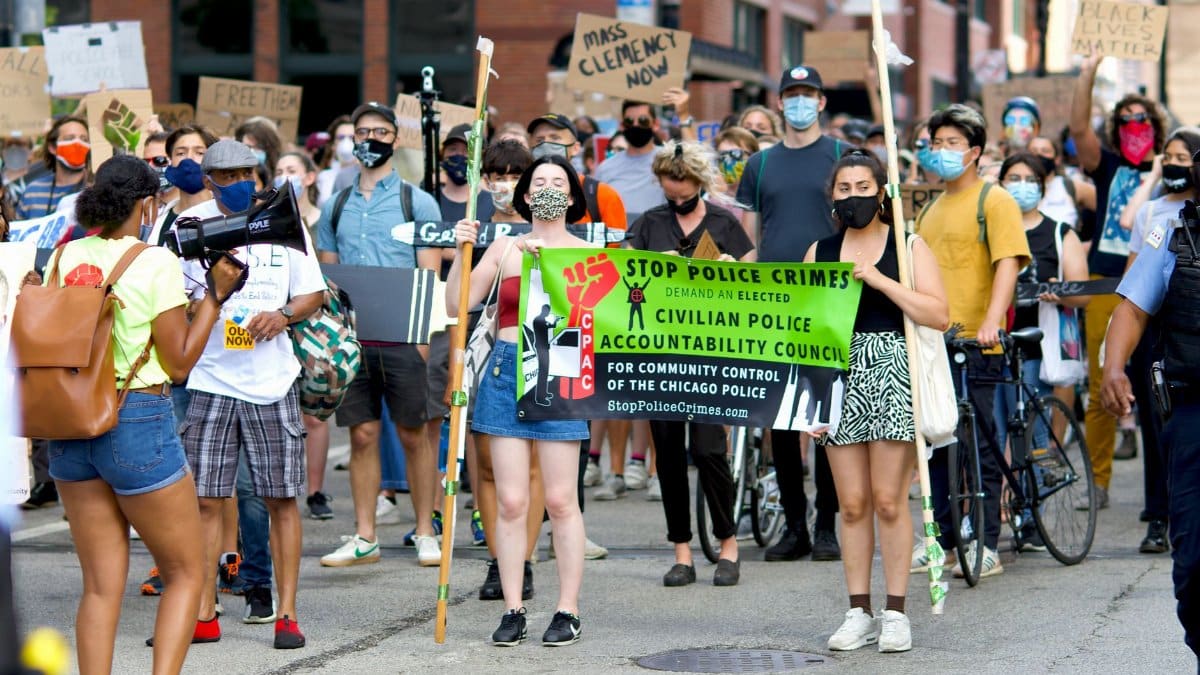
Local organizations that collaborated with Loyola students now consider alternative partnerships. The city hosts one of the largest Latino populations in the Midwest, and the program supplied trained researchers who documented oral histories and supported cultural events. Residents involved in those projects express concern about reduced academic engagement.
Options for students seeking similar training

Prospective applicants may look toward programs at public universities in Illinois or neighboring states that maintain active graduate tracks in Latino studies. Online and hybrid formats have also emerged as alternatives, though they lack the in person community that defined the Loyola experience for many. Advisers recommend early outreach to departments still accepting applications.
Future outlook for cultural studies fields

Observers note that interest in Latino history and literature remains strong outside formal academia, appearing in museums, publishing, and media. Universities may adapt by embedding content within larger ethnic studies umbrellas instead of standalone degrees. Loyola officials have indicated openness to future collaborations that preserve some elements of the curriculum.
Lessons from academic program reviews

Case studies from other closures suggest that transparent communication with stakeholders can ease transitions. Loyola has scheduled town halls to gather input on preserving research collections and supporting displaced students. Such steps reflect efforts to maintain institutional reputation even as offerings change.