

In recent elections across Cook County participation rates have remained strikingly low with only about one in five eligible voters casting ballots on key measures. This pattern raises questions about how communities decide on important fiscal matters through property tax referendums. Observers note that such limited involvement can shape outcomes in ways that affect household budgets and local services for years to come. The trend appears consistent across multiple ballot items leaving officials and analysts to examine what drives or discourages residents from taking part.
Voter Engagement in Local Elections

Many residents in suburban areas report feeling disconnected from the details of county finance votes. Information about proposed changes often arrives through mailers or brief news segments that fail to explain long term effects on assessments. As a result people may skip these contests even when the results influence school funding or road repairs.
The Role of Property Tax Referendums in County Finances

These votes allow elected leaders to seek approval for adjustments that cover rising costs in public services. Without broad input the approved measures sometimes reflect the priorities of a smaller group rather than the full population. Officials track how revenue from such approvals supports everything from emergency response to library operations.
Historical Trends in Participation Rates
Records from the treasurer office show that involvement in similar contests has stayed below average for more than a decade. Earlier cycles featured slightly higher numbers yet still fell short of statewide averages for general elections. The persistent gap suggests structural issues rather than one time events.
Factors Contributing to Low Turnout
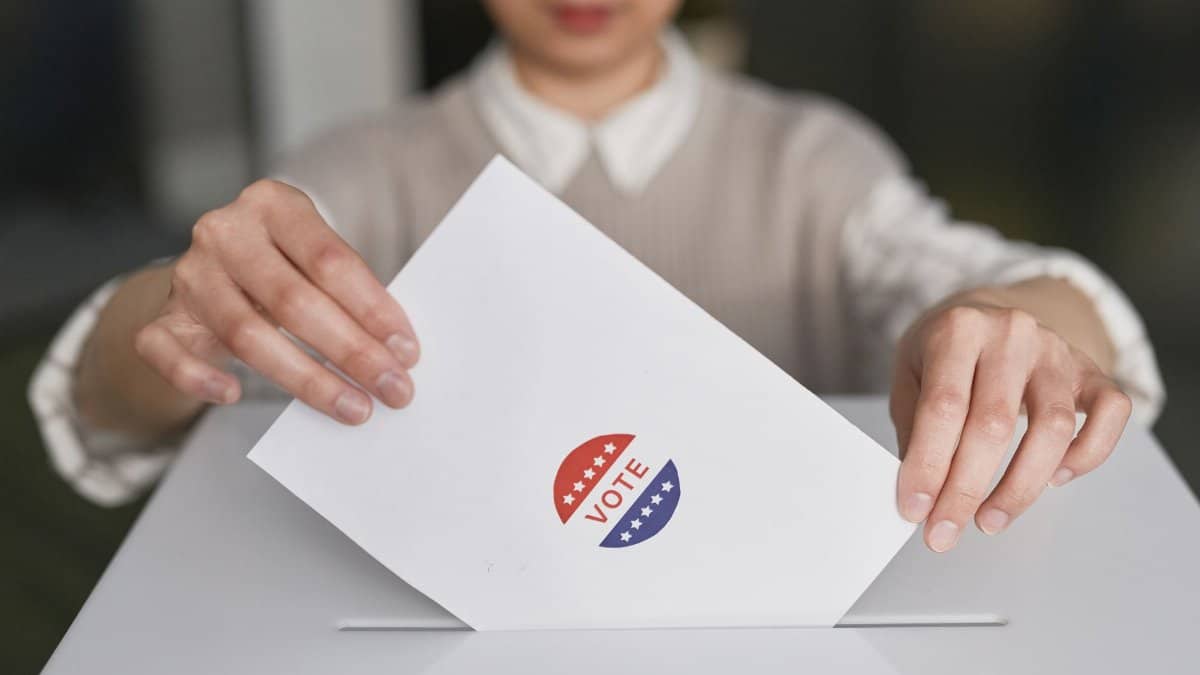
Analysts point to complex language on the ballot and limited outreach as common barriers. Working families often juggle multiple jobs leaving little time to research each item. In addition some neighborhoods lack consistent reminders about when and where to vote on these specific questions.
Community Impacts of Referendum Outcomes

When measures pass or fail the effects appear in annual bills sent to homeowners. Areas with approved funding may see improvements in infrastructure while others face delays in planned projects. Residents in both situations express frustration over the lack of broader discussion before decisions finalize.
Comparisons with Other Regions
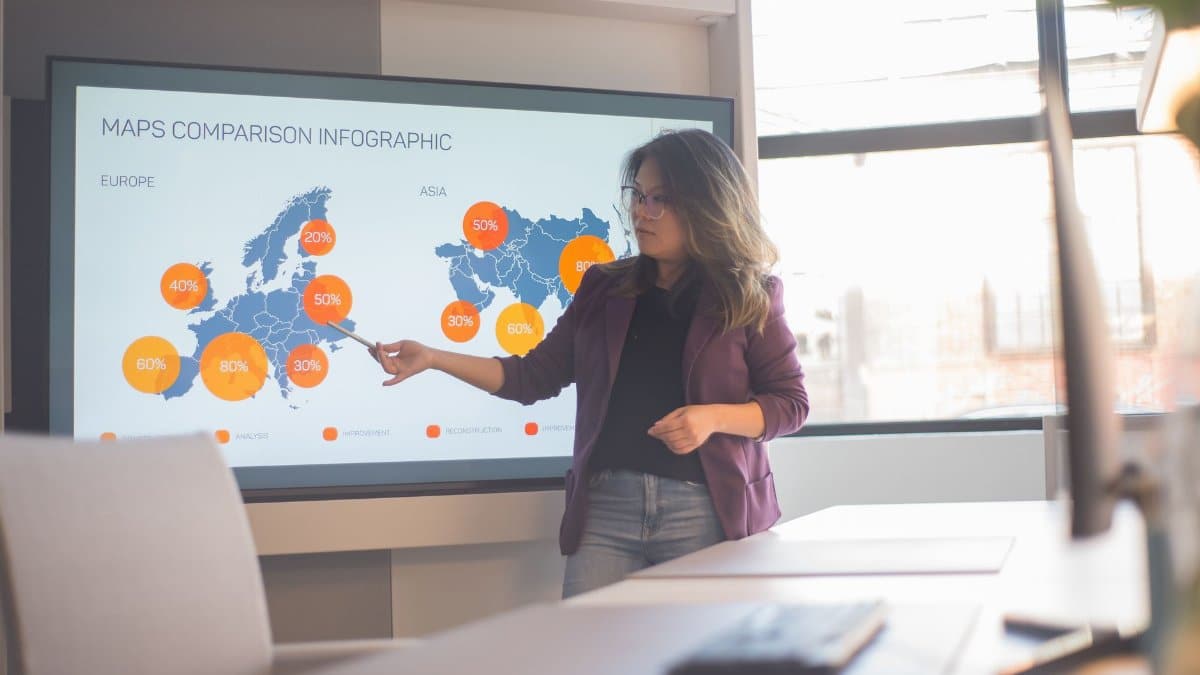
Neighboring counties sometimes record higher involvement through targeted campaigns run by civic groups. Those efforts include town hall sessions that break down proposals in everyday terms. Cook County leaders have begun reviewing such models for possible adaptation.
Recommendations for Increasing Awareness
Local organizations suggest partnering with libraries and community centers to host neutral information sessions. Clear summaries distributed well ahead of election day could help more people understand the stakes. Digital tools that allow quick access to past results might also build familiarity over time.
Potential Reforms in Voting Processes
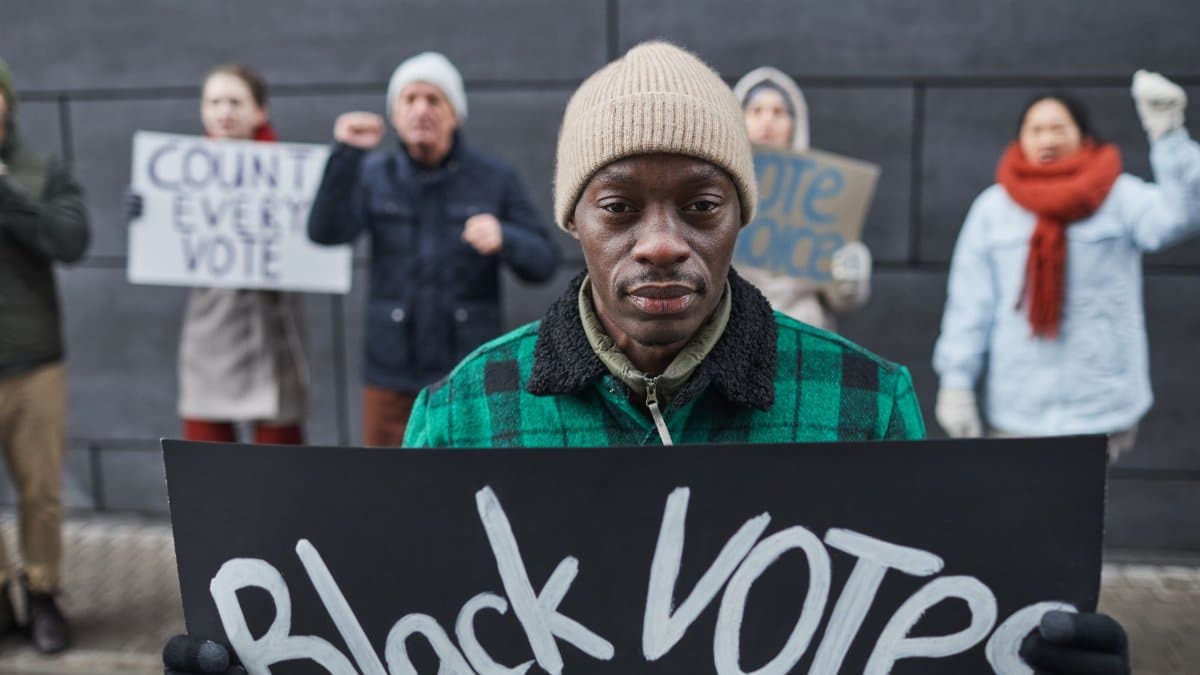
Some proposals call for aligning these special votes with larger election dates to boost visibility. Others explore expanded early voting options tailored to property related questions. Each idea aims to reduce the isolation that currently surrounds these contests.