
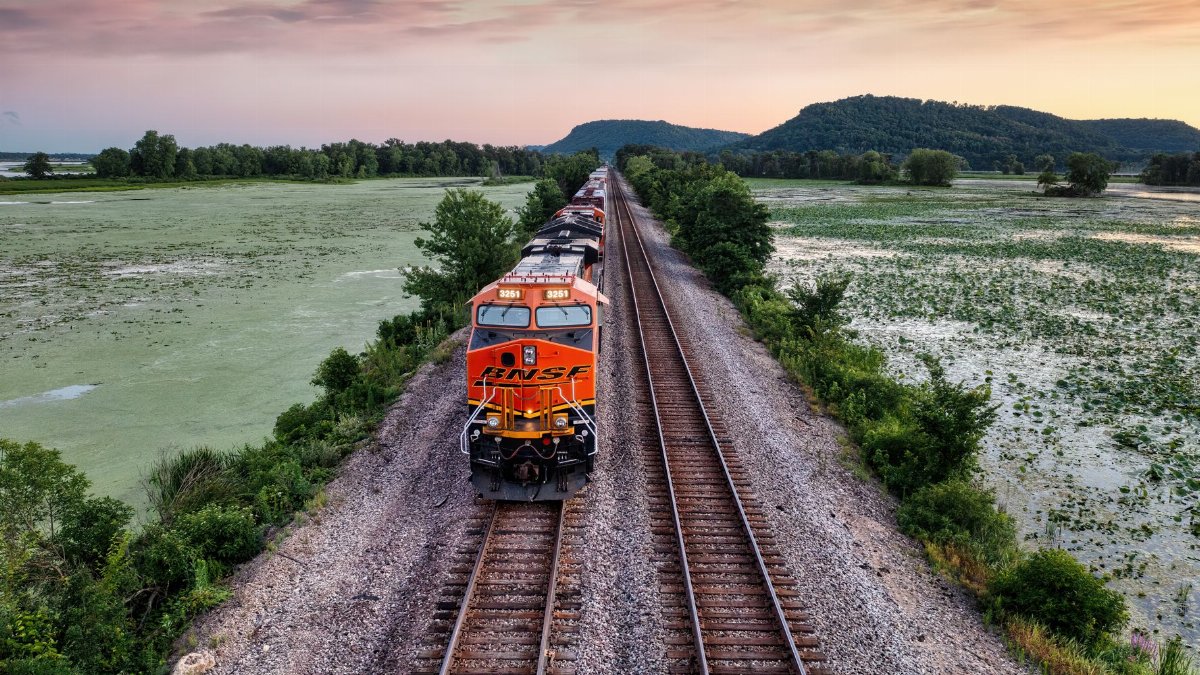
In the low woods of Iron County, late summer usually smells of wet pine and iron rich soil. After crews spent weeks along a ruptured corridor, that landscape now also carries the memory of solvents, diesel, and hurried excavation. Enbridge has returned Line 5 to service following a late August release of natural gas liquids, an event that now sits in the public record as the Line 5 Wisconsin spill. Product can move again between western Canada and markets farther east. The restart poses a harder question: whether a large inland release is an isolated accident or evidence that an aging line still asks too much of the places it crosses.
What the line is built to carry

Line 5 is not a local gathering line. It is a long segment of the Lakehead system, built in the early 1950s to move petroleum products from Superior, Wisconsin, across the Upper Peninsula of Michigan, and on toward Sarnia, Ontario. Engineers have long known it as two things at once: a crude oil line and a route for natural gas liquids, the lighter hydrocarbons that become propane and other fuels after processing.
That dual role matters when something escapes the steel. Crude oil leaves a heavy sheen and a familiar political fight. Natural gas liquids behave differently. They can volatilize, move through soil pores, and threaten groundwater in ways that a surface boom cannot capture. A restart after such a release is therefore not only a question of weld integrity. It is a question of whether the subsurface has been understood.
A volume that resists easy comparison

The figure attached to the Line 5 Wisconsin spill is about 1.3 million gallons. Numbers that large tend to float free of place until someone sets them beside a familiar measure. A million gallons is not a sheen on a ditch. It is enough liquid to fill a small municipal pool many times over, or to saturate a long stretch of porous glacial soil before anyone sees a stain at the surface.
Volume alone does not decide harm. Soil type, depth to groundwater, the mix of propane, butane, and other fractions, the speed of isolation valves, and the hours before excavation all change the story. Iron County is not a dense city, which can make a spill look remote on a map and still serious for wells, wetlands, and the people who depend on both. Distance from a headline city is not the same thing as distance from consequence.
Why a restart is not a verdict

Companies restart lines because customers are waiting and because a shut segment is an expensive object. Regulators allow restarts when they conclude that the immediate cause has been addressed and that further operation does not pose an imminent hazard. Those are narrower findings than the public often hears in the phrase back in service.
A repaired pipe can hold pressure and still leave a contaminated corridor. Monitoring wells, soil removal, vapor recovery, and long sampling programs routinely continue after product flows again. If those steps are thin, the restart becomes a political fact before it is an environmental one. Residents are entitled to know what was removed, what remains, and which agency will still be on the ground when the cameras leave.
The Great Lakes memory that shadows every mile
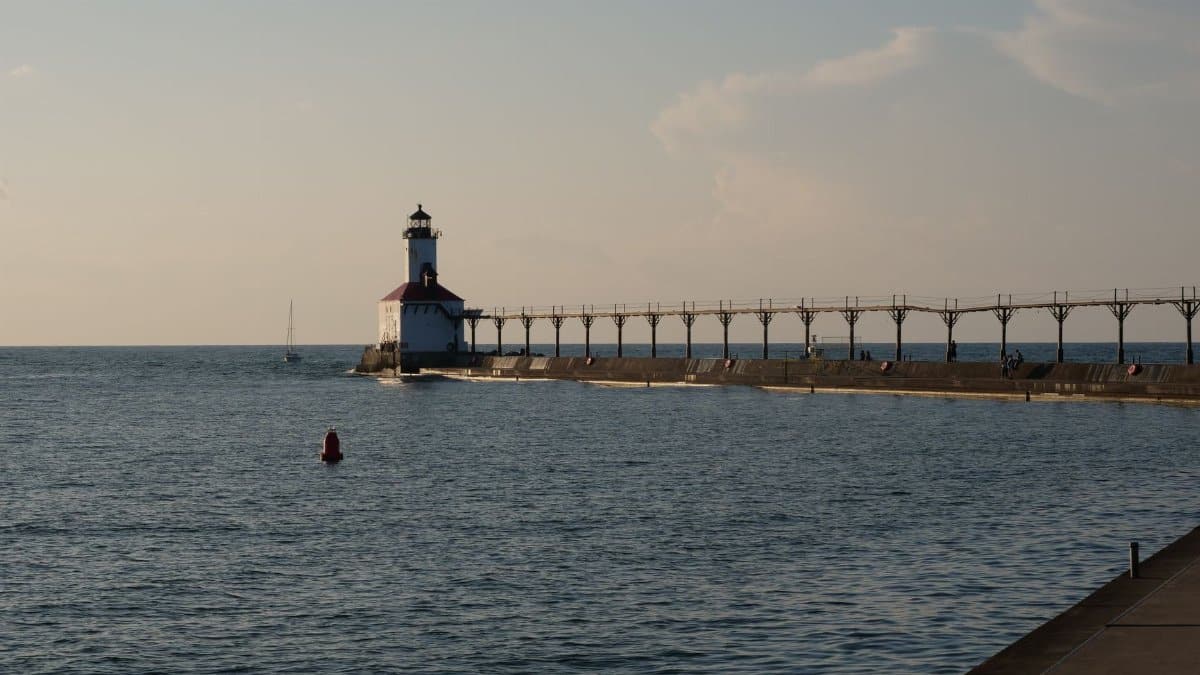
Any failure on this line is judged against a larger map. After crossing northern Wisconsin, Line 5 reaches the Straits of Mackinac, where a twin span lies on the lakebed between lakes that hold a vast share of North American surface freshwater. For years, Michigan officials, tribal governments, and environmental groups have argued that a rupture there would be a regional disaster, while Enbridge has argued that the line is monitored, necessary, and capable of being replaced by a tunnel.
The Line 5 Wisconsin spill does not prove what would happen under the Straits. It does change the emotional and political math. People who were asked to trust inspection data and emergency plans now have a fresh inland example of how much product can leave a system before the public language catches up. It is spent in Wisconsin even when the feared worst case sits farther east.
Tribal nations and the land under the easement
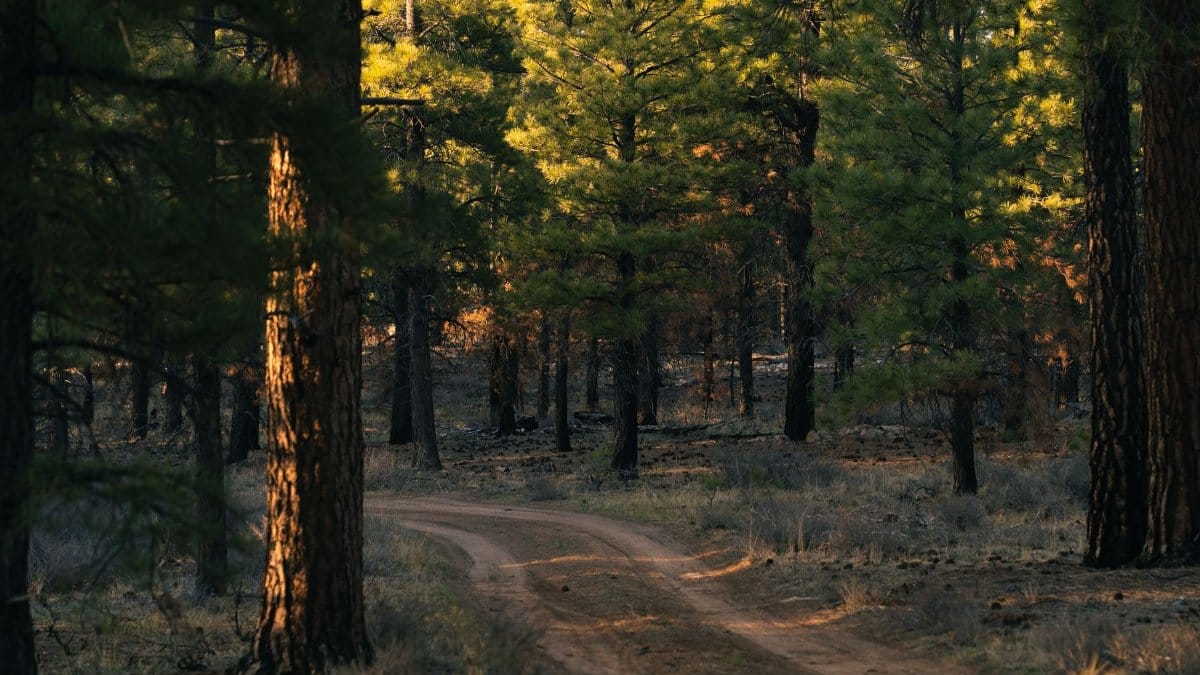
Northern Wisconsin is not empty right of way waiting for infrastructure. It is treaty territory, ceded land, and home ground for Ojibwe communities whose fishing, hunting, and wild rice waters are legal rights, not hobbies. The Bad River Band has spent years in court over easements and erosion where Line 5 crosses the Bad River reservation and watershed, a dispute that already framed the line as a trespass risk rather than a neutral utility.
A large liquids release in Iron County sits beside that argument in a practical sense. It asks whether federal approvals and corporate assurances have kept pace with the age of the steel and with the obligations the United States owes tribal nations. Restarting the line without a public accounting to those governments would repeat an old pattern: move the product first, explain the ground later.
The agencies that share the file
Pipeline spills in the United States fall into a crowded jurisdiction. The Pipeline and Hazardous Materials Safety Administration oversees interstate line safety. State environmental agencies handle cleanup standards and water protection. The Environmental Protection Agency may enter when pollution crosses into federal programs. County emergency managers are often first to the roadblock and last to be quoted.
That stack can look like thoroughness and function like delay. Each office can point to another for the question a reader actually has: is my well safe, and who pays if it is not? After the Line 5 Wisconsin spill, the public measure of competence is simple. Orders, sample results, and maps should be readable without a lawyer. If the record lives in scattered files and careful adjectives, oversight has confused motion with care.
Life beside the corridor

People who live near a line learn its ordinary sounds. A maintenance truck in October is not news. A night of floodlights and vacuum trucks is. In rural counties, the first information often moves faster by phone than by official notice, and the corrections arrive later, in smaller type.
The practical burdens are unglamorous. Private wells may need testing. Timber and hunting access can be cut off. Property values become a rumor before they become an appraisal. The harm is slower than a fire and harder to photograph. It shows up in what families stop trusting: tap water, berry patches, the promise that the pipe in the ditch is somebody else’s problem.
Fuel politics in the Upper Peninsula
Line 5 defenders do not argue only from corporate interest. Much of the Upper Peninsula depends on propane delivered through this system, especially in winter, when alternatives are costly and logistically thin. A prolonged shutdown would land on households, not only on refinery schedules. That fact has given the line a political shield. Opponents who ignore it sound careless. Supporters who treat it as a blank check sound the same way in reverse.
The honest frame is a trade, and trades should be named. Regional fuel security is real. So is the risk of another release on a line commissioned when the interstate highway system was still young. A serious energy policy would price both, including spare capacity, rail or truck contingencies, and a retirement date that is not permanently just over the horizon. Restarting after a million gallon loss without that wider plan is an operational success and a strategic stall.
What the record should still show

A polished restart announcement is not a record. Where did the product travel vertically and laterally? Which wells were sampled, on what dates, and against which standards? How much soil was hauled away, and to what facility? What was the metallurgical finding on the failed section, and does the same condition exist at other river and wetland crossings? Who has authority to stop the line again if vapor readings rise?
Those questions do not require a technical priesthood. They require documents. If Enbridge and the agencies can answer them in plain language, the restart will look like engineering. If they answer with assurances about dedication and safety culture, the public should hear the absence more clearly than the adjectives.
An older argument about stewardship

There is a moral vocabulary available here that does not belong only to activists. Midwestern communities have long treated lakes, rivers, and groundwater as inheritance, something a generation borrows and is expected to return. A pipeline can fit inside that ethic when it is maintained, bounded, and honestly retired. It falls outside the ethic when its risks are socialized and its continuity is treated as destiny.
The Line 5 Wisconsin spill will fade from national attention faster than the sampling schedule should fade from local attention. That gap is the story. Product is moving again. The ground is not obliged to forget on the same timetable. A region that holds so much freshwater can insist on a plainer standard: no restart counts as closure until the people who drink from the watershed can read the proof.