

The MTA Bus Crash Pikesville left dozens shaken and highlighted ongoing questions about public transit safety in suburban Maryland. In July 2026 an MTA vehicle collided with another car along a busy stretch near Pikesville resulting in thirty six reported injuries. The episode drew swift attention from local officials and raised concerns among riders who depend on these routes each day. A personal injury attorney with decades of experience in the region has now offered perspective on what victims might consider next as they recover and weigh their options.
Details Surrounding the Collision
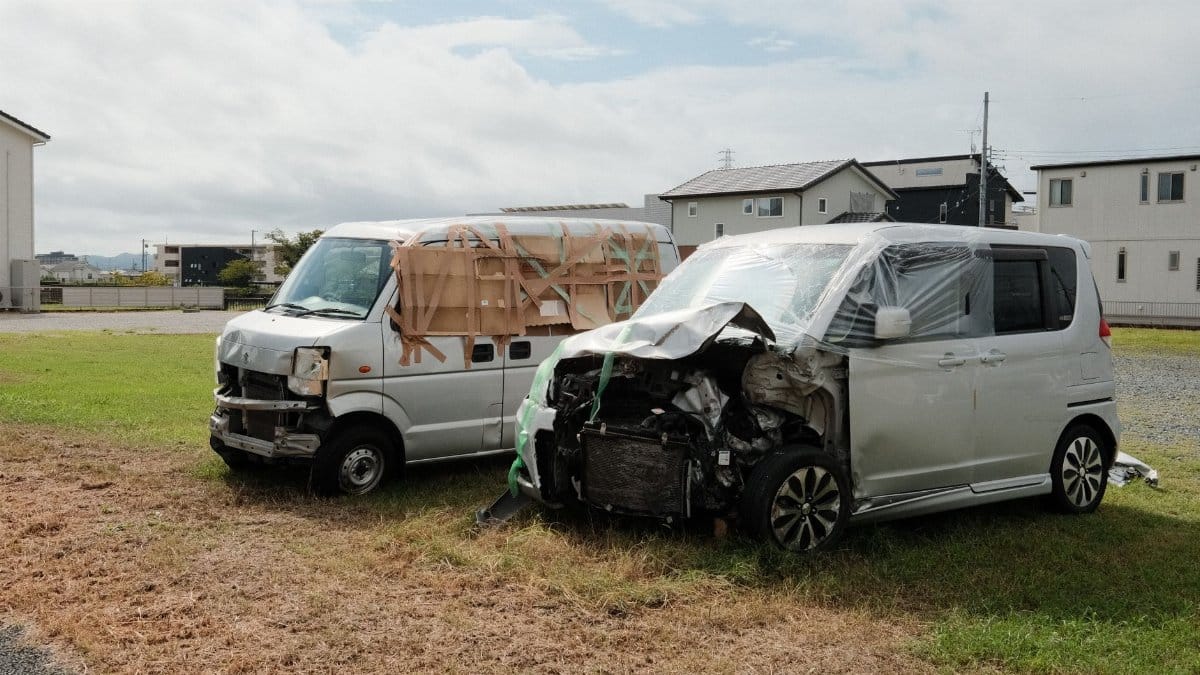
Reports indicate the bus was traveling a standard route when the impact occurred. Witnesses described sudden braking followed by the sound of metal striking metal. Emergency crews arrived quickly and transported the injured to nearby hospitals for evaluation. Investigators continue to examine traffic signals road conditions and vehicle maintenance records as part of their review.
Immediate Medical Response
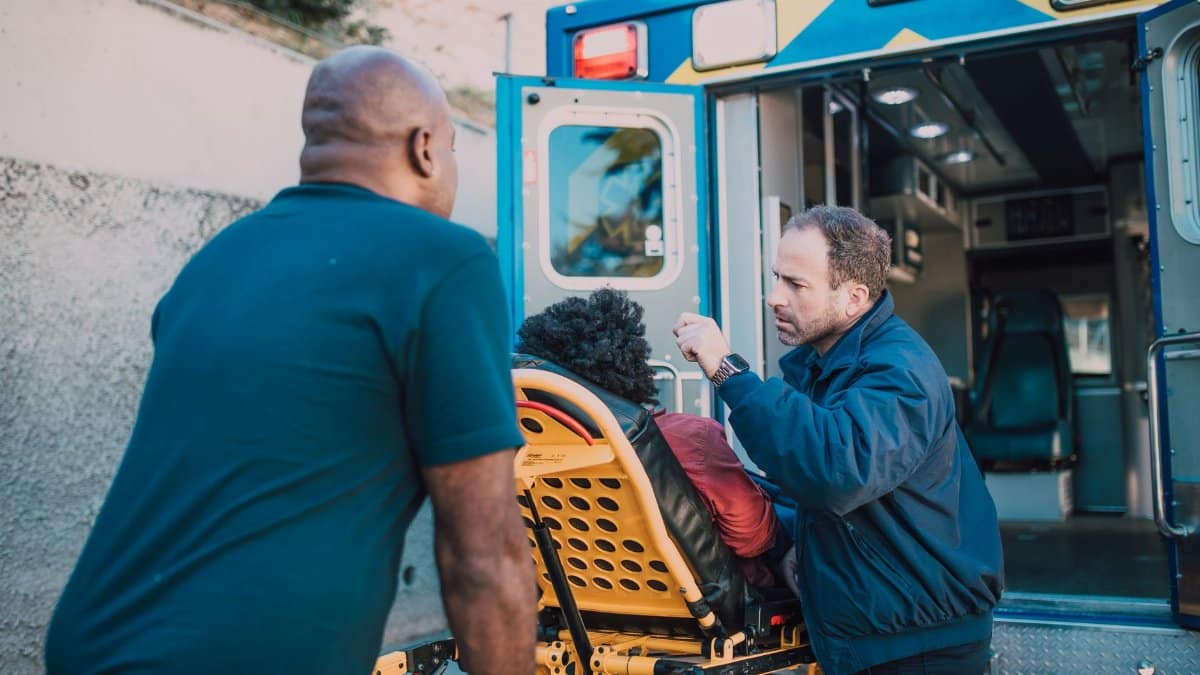
First responders focused on stabilizing those with fractures and head trauma. Several passengers required extended observation while others were released after initial treatment. Hospitals in the area noted an unusual surge in admissions that afternoon which tested capacity during an already busy period.
Legal Pathways for Those Affected
Victims often face choices about compensation for medical bills lost wages and ongoing care. Maryland law sets specific time limits for filing claims so prompt consultation with counsel can preserve options. Documentation of injuries and expenses plays a central role in building any case.
Role of an Experienced Attorney

A lawyer familiar with transit incidents can review police reports and insurance correspondence. This guidance helps clarify whether negligence by another driver or by the transit authority itself contributed to the outcome. Early involvement also assists families in coordinating with multiple insurers.
Insurance Considerations After Transit Events
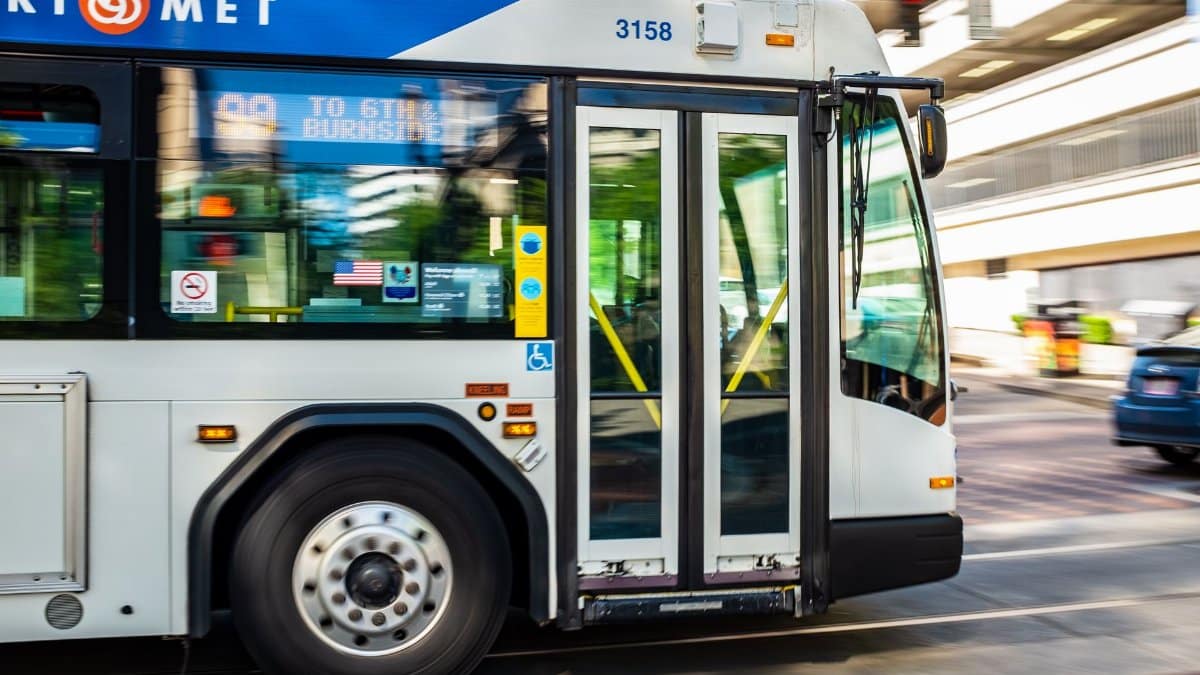
Policies covering MTA operations differ from standard auto coverage in important ways. Understanding these distinctions prevents delays in payment for necessary treatment. Counsel can negotiate directly with claims adjusters to reflect the full scope of damages.
Community Reactions in Pikesville

Residents expressed surprise that such an event could unfold on familiar streets. Some called for additional safety measures at intersections while others questioned whether current training protocols for drivers remain sufficient. Public meetings on the topic are expected in coming weeks.
Broader Questions on Transit Safety

Incidents like this one prompt examination of maintenance schedules and driver fatigue policies across the system. Data from prior years shows occasional spikes in minor collisions yet serious injuries remain less common. Advocates continue to push for technology that alerts operators to potential hazards sooner.
Support Resources for Recovery

Local organizations have stepped forward to assist with transportation to medical appointments and counseling services. These groups recognize that physical healing often coincides with emotional strain for those involved. Connecting with such networks can ease logistical burdens during rehabilitation.
Financial Implications for Families

Time away from work compounds stress for households already managing hospital costs. Legal avenues may address both immediate expenses and projected future needs. Clear records of all related outlays strengthen the position of anyone pursuing restitution.
Preventive Measures Under Discussion

Officials have mentioned reviewing traffic camera placement and signal timing along the corridor. Proposals also include expanded driver education focused on defensive techniques in mixed traffic. Implementation would require coordination among state agencies and local governments.
Long Term Outlook for Victims

Many individuals continue physical therapy months after the initial event. Progress varies widely depending on age overall health and the nature of each injury. Ongoing medical advice remains essential to maximize recovery potential.
Public Records and Transparency

Requests for investigative files can shed light on contributing factors once probes conclude. Access to these materials supports informed decisions by those weighing further action. Attorneys routinely assist clients in obtaining and interpreting such documents.