
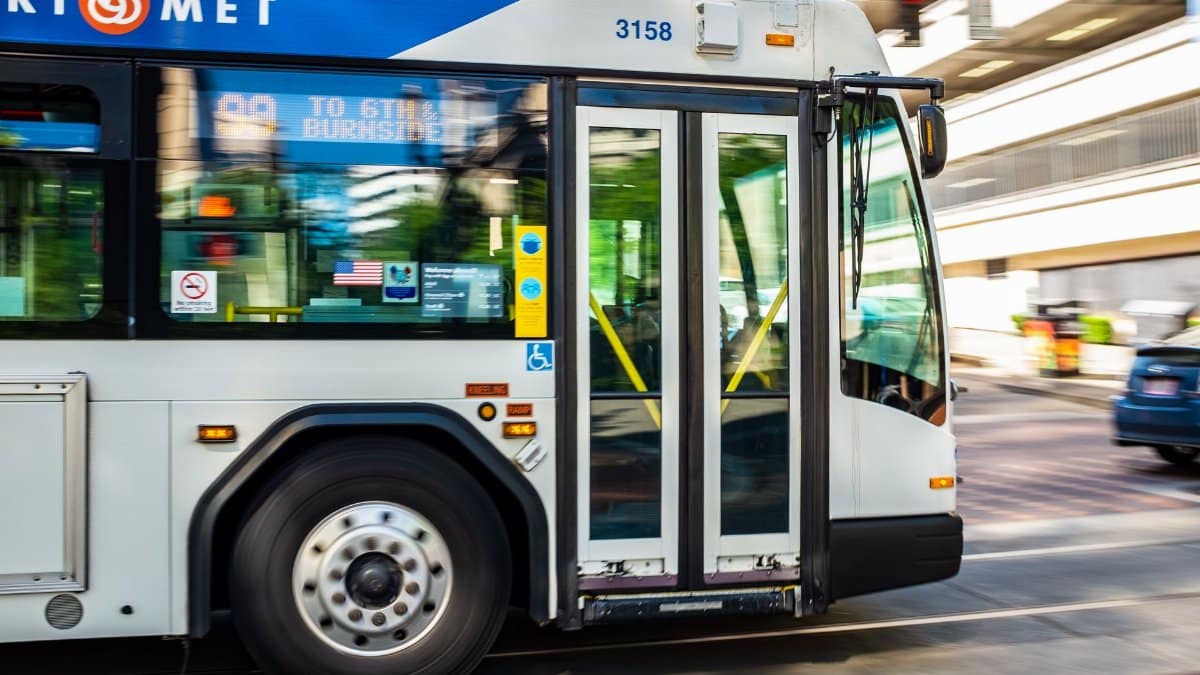
The sudden halt in public transportation across several Massachusetts communities has left thousands of residents struggling to reach work, school and medical appointments each day. With the Lawrence bus strike Teamsters now entering its third week, local leaders including Mayor Brian DePena have called for renewed talks to restore service before more permanent damage occurs to the regional economy and daily routines.
Daily routines disrupted across multiple towns
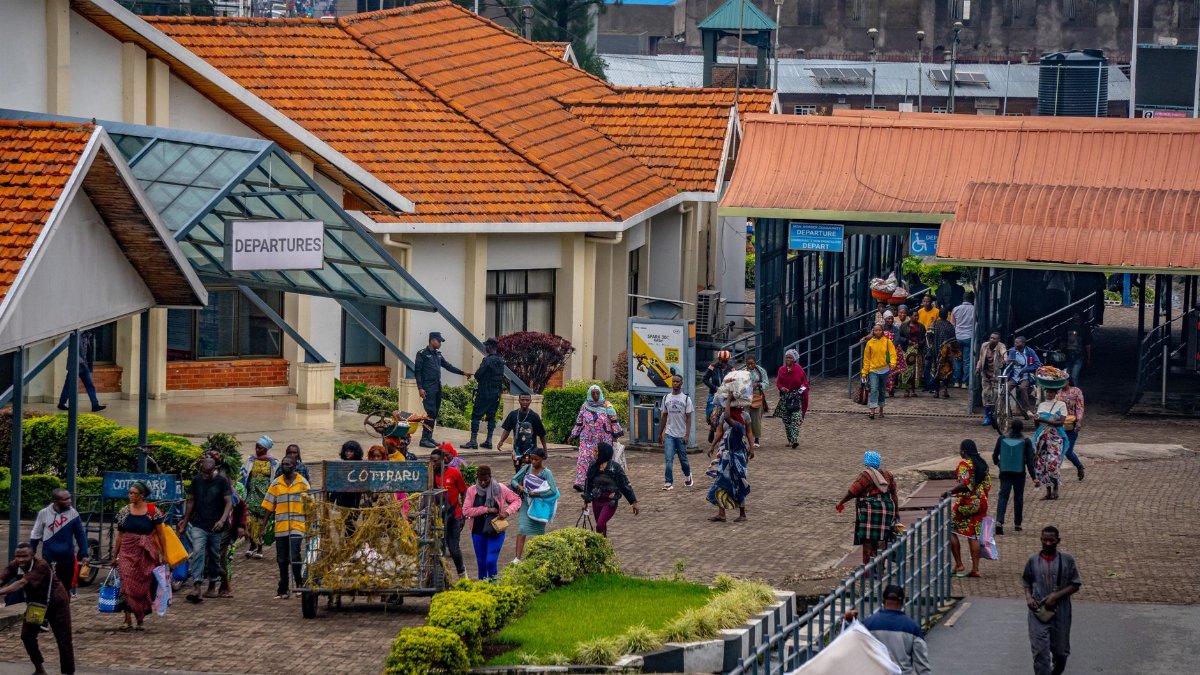
Commuters who once relied on predictable routes now face long walks, expensive rideshares or borrowed cars. Families report rearranging work shifts and childcare around uncertain schedules. The absence of reliable buses has turned ordinary errands into complex planning exercises for households without extra vehicles.
Mayor DePena pushes for immediate negotiations

DePena has urged both sides to return to the table with a renewed focus on compromise. His public statements emphasize the hardship facing riders who lack other options. City officials have offered to host mediation sessions in hopes of shortening the current impasse.
Union priorities center on wages and schedules
Teamsters representatives have highlighted stagnant pay and demanding shift patterns as core concerns. Drivers describe years of rising living costs that outpace contract improvements. The union maintains that current conditions make it difficult to retain experienced staff over time.
Regional transit authority faces mounting pressure
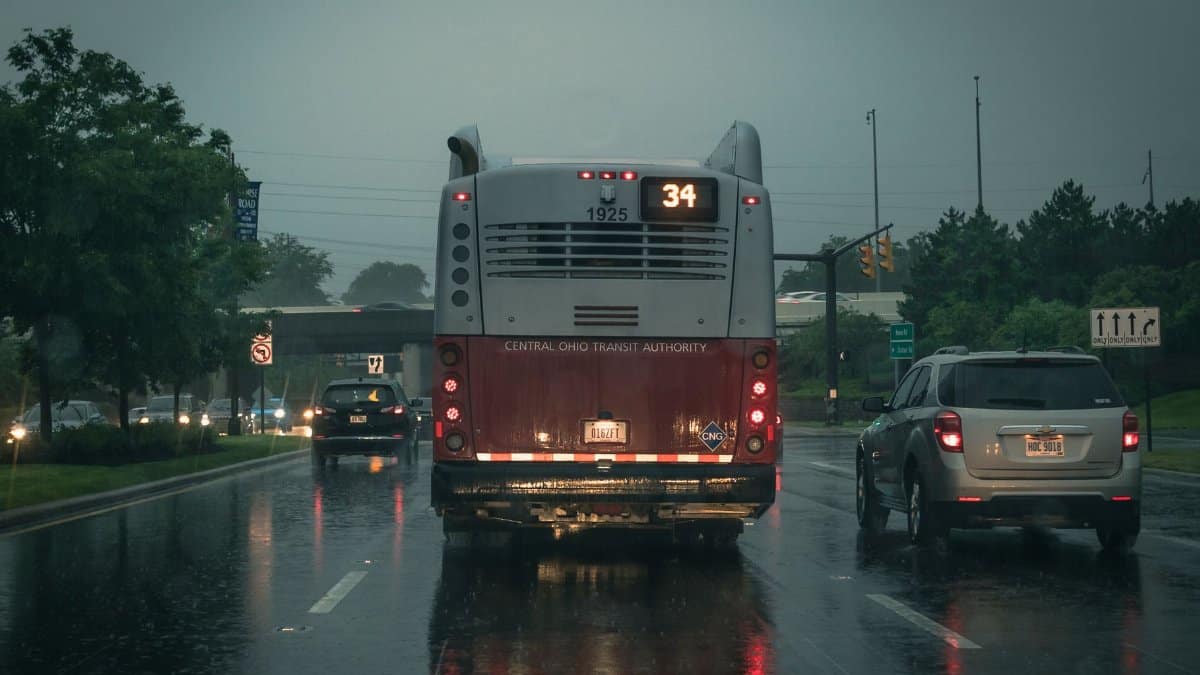
Officials at the Merrimack Valley Regional Transit Authority report lost revenue and growing complaints from passengers. Service cancellations have affected routes connecting Lawrence with neighboring cities such as Methuen and Andover. Budget shortfalls could limit future improvements even after operations resume.
Business owners report declining foot traffic

Retailers and restaurant operators near bus stops have noticed fewer customers during typical peak hours. Some employees have arrived late or missed shifts entirely because of transportation gaps. Smaller firms without remote work options feel the effects most sharply.
Schools adjust to student arrival challenges

Educators note increased tardiness and occasional absences tied to the lack of bus service. Families with multiple children have found it harder to coordinate drop offs without public transit support. Administrators are exploring temporary shuttle arrangements while the strike continues.
Public reaction mixes frustration and solidarity

Some residents have expressed sympathy for drivers seeking better conditions, while others focus on the immediate need for restored service. Community meetings have drawn crowds seeking updates on any progress. Social media posts show both support for the union and appeals for a quick resolution.
History of labor actions in local transit
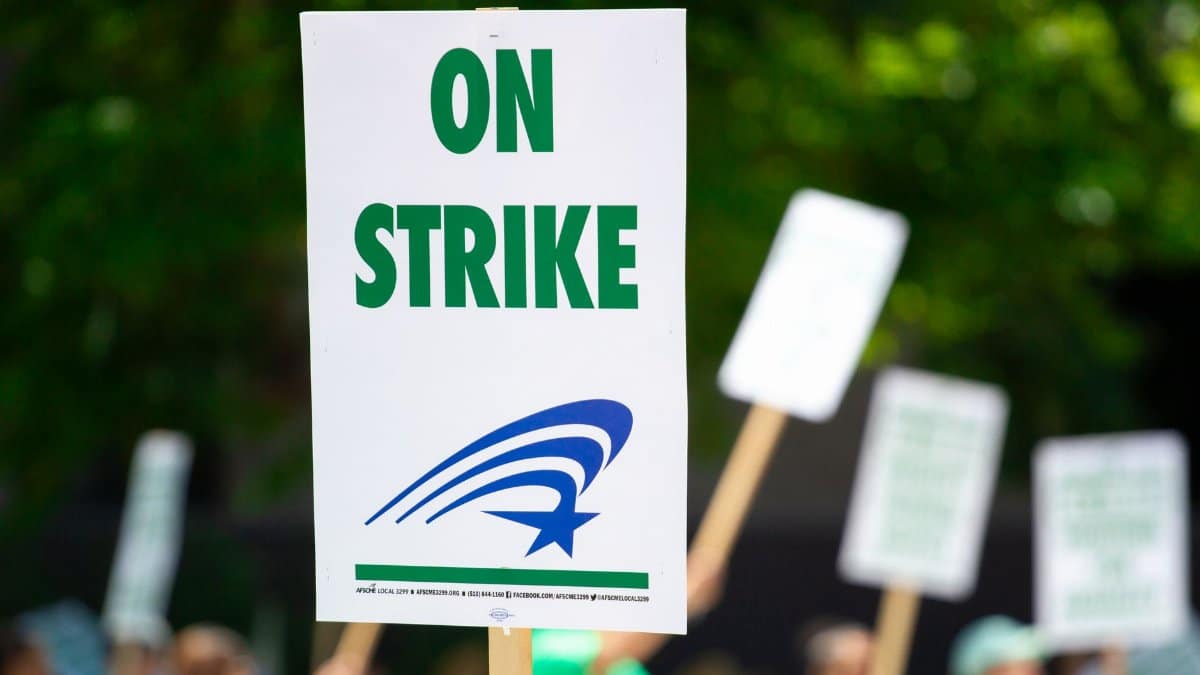
Previous contract disputes in the region have usually ended through extended bargaining rather than prolonged work stoppages. Past agreements addressed similar issues around compensation and working hours. Observers note that current economic pressures may influence how quickly a deal can be reached.
Alternatives riders consider during the standoff

Some commuters have formed informal car pools or shifted to biking for shorter distances. Others have adjusted their work locations or requested temporary remote arrangements. These adaptations vary widely depending on job flexibility and household resources.
Potential paths toward restoring service

State lawmakers have signaled willingness to assist if local talks stall further. Federal mediation resources remain available should both parties request them. A framework agreement on key issues could allow buses to return within days rather than weeks.
Long term implications for regional mobility

Whatever the outcome, planners expect renewed attention to contract language that prevents future disruptions. Investments in backup capacity may rise on agency priority lists. Rider trust could take months to rebuild even after normal schedules resume.