
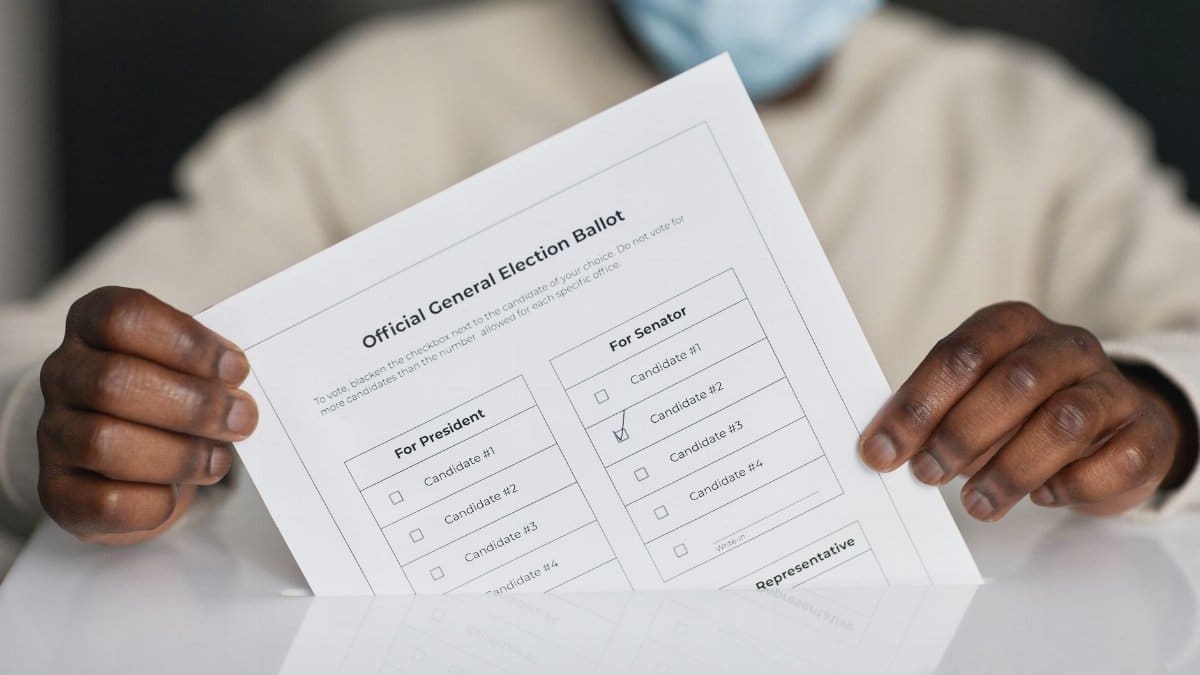
In recent developments Minnesota officials are confronting reduced assistance from national agencies in safeguarding voting processes. This shift has placed greater responsibility on local teams to ensure the integrity of upcoming contests. The absence of ongoing federal guidance raises questions about Minnesota election security federal support and how the state will adapt without it. Secretary of State Steve Simon described the change as abrupt leaving his office to navigate threats independently while maintaining public confidence in the system.
Background on Federal Briefings for States

For years national agencies supplied classified updates to election administrators across the country. These sessions covered potential interference attempts and technical vulnerabilities that could affect tabulation equipment. Minnesota participated regularly until the flow of information stopped earlier this year. Simon noted that the briefings had offered context no public report could match.
Impact on Local Security Planning

Without the federal input Minnesota must now rely more heavily on its own assessments and partnerships with neighboring states. Staff members have increased reviews of software used in polling places and expanded training for county workers. The extra workload comes at a time when budgets remain tight and expertise in cybersecurity stays limited at the local level.
Role of Secretary Simon in Current Efforts

Simon has emphasized transparency as a core strategy. He has held public forums to explain what protections remain in place and where gaps might exist. His office continues to coordinate with the state legislature on funding requests aimed at filling voids left by the federal withdrawal. Observers say his approach seeks to reassure voters that safeguards are still active even if external help has diminished.
Comparison With Other States Facing Similar Shifts
Several other states report parallel experiences after federal support tapered off. Some have formed regional alliances to share threat data while others have turned to private consultants for audits. Minnesota stands out for its history of high voter turnout and paper ballot backups which may provide a buffer during the transition. Still officials watch closely how peers allocate resources under comparable constraints.
Concerns Among Election Workers and Volunteers

County clerks and poll workers express unease about detecting sophisticated attempts to disrupt access or spread doubt. Many had depended on federal alerts to prioritize their preparations. Now they focus on basic resilience measures such as redundant systems and rapid response protocols developed in house. Training sessions have grown longer to cover these added duties.
Public Perception of Voting Integrity
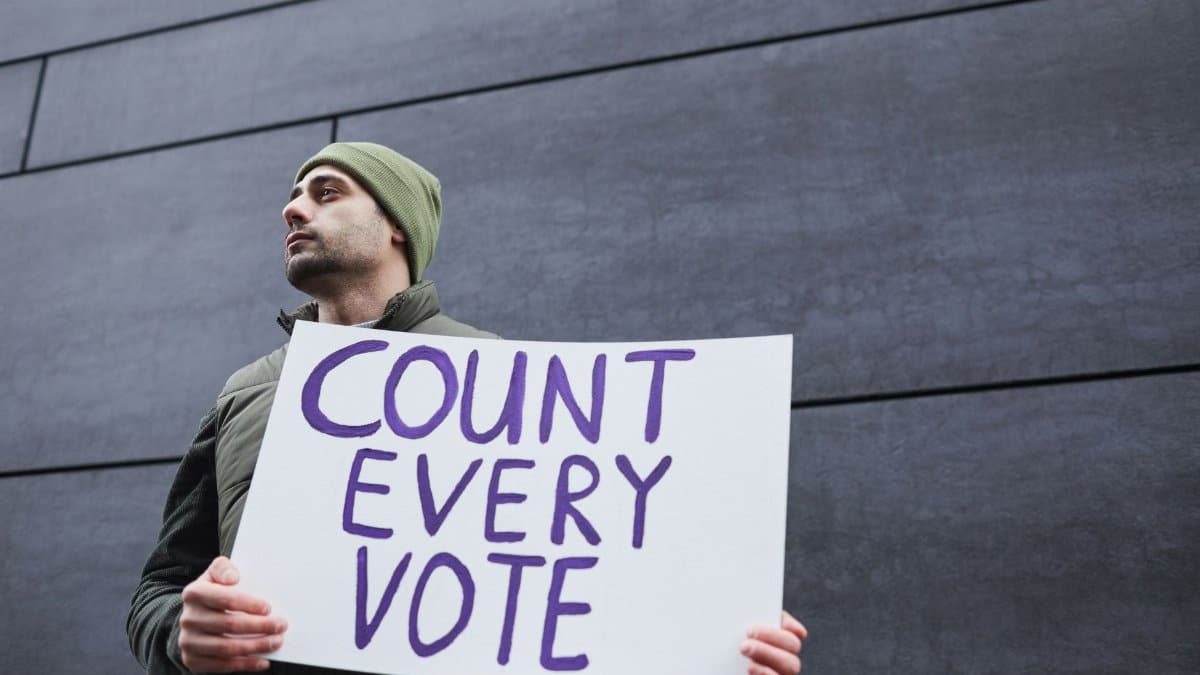
Voter confidence rests partly on visible signs that systems are protected. Simon argues that open communication about the current situation helps rather than hurts trust. Surveys conducted by academic groups show Minnesotans remain generally positive about election administration yet awareness of reduced federal involvement could alter attitudes over time. Clear explanations from state leaders appear essential to sustaining that outlook.
Legislative Discussions on Additional Resources
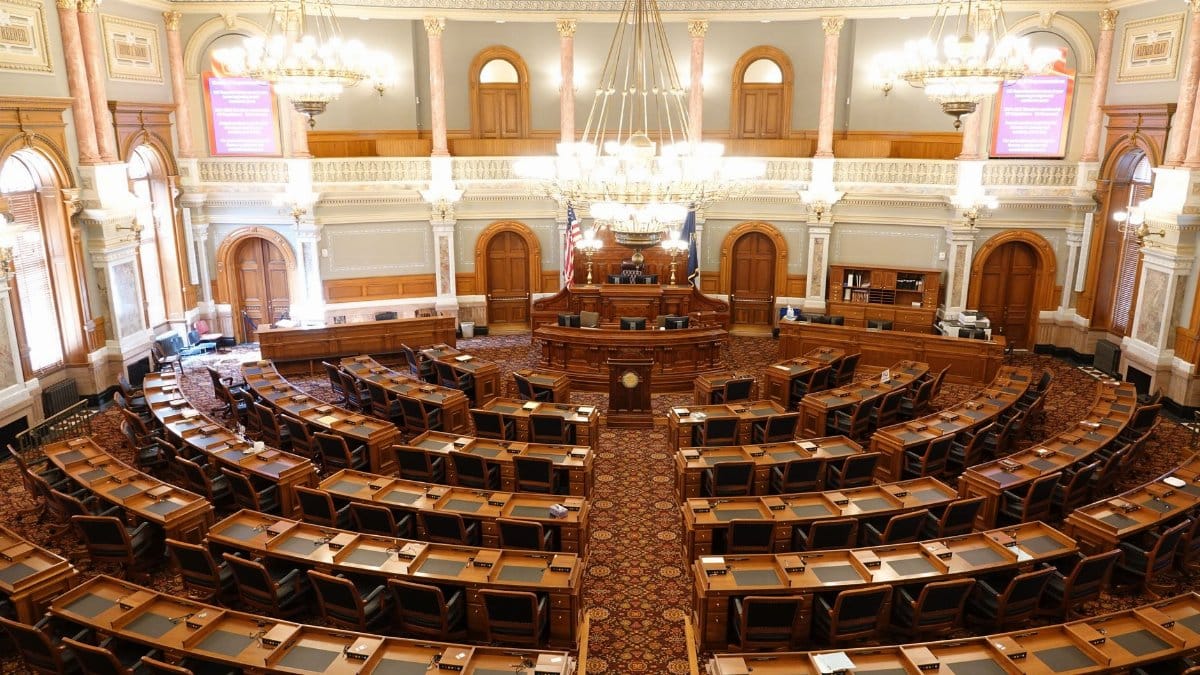
Lawmakers in Saint Paul have begun examining proposals to increase state funding for cybersecurity tools and personnel. Bipartisan interest exists though details on amounts and oversight continue to be debated. Proponents point to the need for sustained investment to match the scale of potential risks. Critics question whether new spending will deliver measurable improvements without clearer benchmarks.
Future Outlook for State Autonomy in Elections
Minnesota now operates with greater independence in monitoring and responding to threats. This development may encourage innovation in local practices yet it also highlights limits in capacity during periods of heightened national tension. Simon and his team continue to seek alternative channels for information while preparing for contests ahead. The experience could shape how other states prepare for similar adjustments in the years to come.