
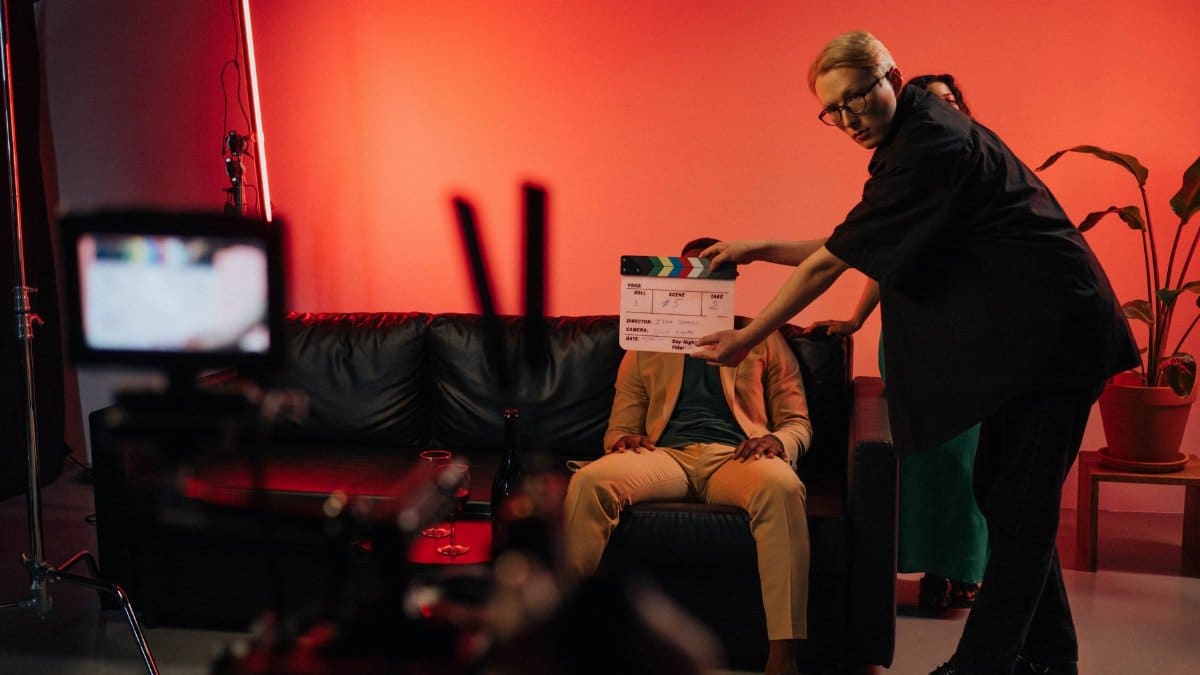
The challenges facing those working behind the scenes in British productions have grown more visible in recent years. Crew members often describe irregular schedules and intense pressure that affect daily life and long term stability. Against this backdrop new guidelines seek to address TV Film Mental Health across the sector with commitments from major broadcasters and studios.
Industry Wide Commitments Take Shape

Leaders from the British Broadcasting Corporation and independent production companies gathered in London to endorse a shared framework. The principles call for better access to counseling and limits on working hours during shoots. Organizers stressed that these steps mark a shift from past practices where personal needs received little attention.
Support Networks Expand on Set

Productions will now include dedicated wellbeing officers who check in with teams each week. These roles aim to spot early signs of strain before issues escalate. Early adopters report smoother collaboration when staff feel heard during demanding filming periods.
Training Programs Reach Crew Members

Workshops on recognizing distress and fostering open conversations will become standard for new hires. Sessions draw from established mental health practices adapted to the unique rhythms of location work and postproduction deadlines. Participants learn practical ways to maintain balance without disrupting creative flow.
Impact on Freelance Talent Considered

Many in the sector operate without the safety nets of full time employment. The guidelines encourage production companies to extend resources to contractors through partnerships with external clinics. This approach seeks to reduce isolation that often accompanies short term contracts in television and film.
Monitoring and Accountability Measures

An independent panel will review progress every six months and publish findings for public scrutiny. Broadcasters have agreed to tie compliance to future funding decisions. Such oversight reflects a recognition that lasting change requires consistent follow through rather than one time announcements.
Voices from the Production Floor
Veteran camera operators and editors shared accounts of burnout that prompted the current effort. Their experiences highlight how unaddressed pressures can ripple through entire projects affecting both output quality and personal relationships. The principles incorporate these perspectives to ensure relevance.
Looking Ahead to Sustained Adoption

Advocates note that success depends on embedding these ideas into daily operations rather than treating them as add ons. Smaller firms may need extra guidance to implement changes fully. Over time the hope is that improved TV Film Mental Health becomes a defining feature of British productions known around the world.