

On a gray morning in Sacramento, the sound that carried toward the dome was not a siren or a motorcade. It was feet. Farm workers, teachers, clergy, students, and grandchildren moved along Capitol Mall in a loose column that kept stopping so elders could rest. At the Dolores Huerta memorial, the California Capitol opened its rotunda to a labor organizer who never held statewide office and never asked permission to be heard. State leaders said she was the first civilian and the first woman to lie in honor there. The protocol looked formal. The feeling in the crowd was closer to a pilgrimage.
A procession instead of a motorcade
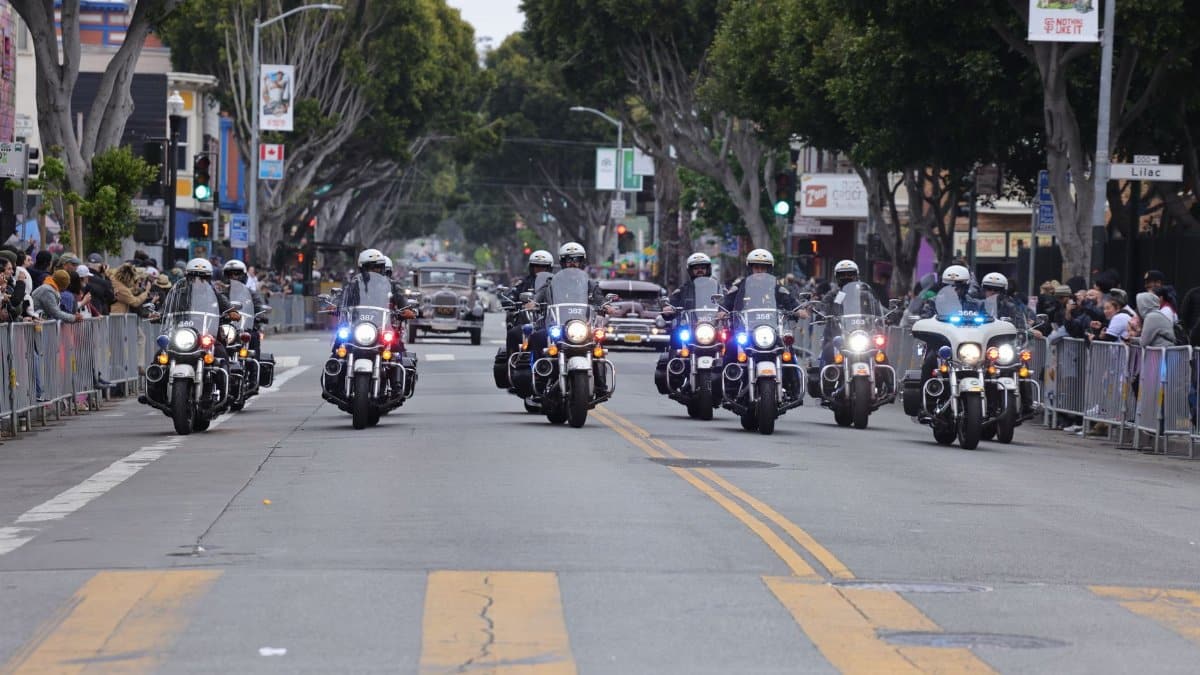
People had come from the Central Valley before dawn, some in union jackets, some in Sunday clothes, some with children on their shoulders. They did not rush. A march, in the tradition Huerta spent her life building, is an argument made with the body. It says the distance between a field and a capitol is not as far as the powerful pretend. Drivers pulled over. Office workers stepped out of buildings and stood still. A few held hand lettered signs with the old slogan, Sí se puede, which began as a refusal to quit and became a national refrain.
No one seemed interested in spectacle for its own sake. The walk had the patience of people who have waited in heat for a bus, a contract, a hearing, a doctor. That patience was part of the tribute.
What the rotunda was asked to hold

Lying in honor is a rare civic rite. It borrows the grammar of state funerals and places it around a person whose authority did not come from election or military rank. In Sacramento, that choice carried a particular charge. The building is where budgets are written and where farm labor bills have often died quietly in committee. To place Huerta at its center was to admit that the state’s abundance has always depended on people the marble was not built to notice.
Inside, the Dolores Huerta memorial asked visitors to lower their voices. Some cried. Some prayed. Some simply looked, as if checking that the story they had told their children was now a public fact. A guard later told a small group that the line had not thinned at lunch. Hunger, for once, was not the point.
The teacher who left the classroom

Huerta was born in 1930 in Dawson, New Mexico, and grew up in Stockton, a city shaped by docks, canneries, and field labor. She trained as a teacher. The detail matters because her politics did not start in abstraction. She saw students come to school hungry, and she understood hunger as a policy outcome, not a private failing. Leaving the classroom was not a rejection of children. It was a decision to fight the conditions that made teaching feel like triage.
That origin explains the moral plainness of her later speeches. She talked about wages, pesticides, bathrooms, contracts, and dignity as if they belonged in the same sentence, because in a labor camp they do.
A union built in kitchens and fields
In 1962 she and Cesar Chavez founded the National Farm Workers Association, the seed of the United Farm Workers. The romance of that founding has sometimes blurred the work. Organizing then meant house meetings, long drives, arguments about dues, and the slow work of convincing people that retaliation was not inevitable. Huerta was not a symbol standing beside the strategists. She was a negotiator, a recruiter, and a person willing to be difficult in rooms where difficulty was required.
Women in the movement have long said that histories of the union shrink them into chorus. The Sacramento rite pushed against that habit. It treated coordination, childcare, translation, and contract language as leadership, not support.
The boycott that reached the grocery aisle

The grape boycott carried the farm worker movement into kitchens far from Delano. Shoppers who had never met a crew boss were asked to treat a piece of fruit as a moral object. Huerta helped make that translation. She could explain a strike to a priest, a legislator, a student, and a skeptical grower without sanding off the demand. Boycotts are often remembered as consumer virtue. For the families who lost paychecks while the fruit sat unsold, they were a wager that strangers would keep faith.
Many of the mourners in Sacramento were the children of that wager. They came not to rehearse a textbook chapter but to settle a family account.
Injury, recovery, and a harder kind of faith

In 1988, during a protest in San Francisco, police beat Huerta so severely that she suffered broken ribs and a ruptured spleen. She was in her late fifties. The assault did not end her public life, but it stripped away any remaining illusion that age or reputation would protect an organizer on a sidewalk. Recovery took months. Admirers sometimes turn survival into inspiration and stop there. The more honest reading is that the state can venerate a dissenter after it has failed to protect her.
That tension hung over the capitol. Honor arrived late, as it often does, and it did not erase the years when her name was easier to dismiss than to invite inside.
Si se puede as prayer and tactic
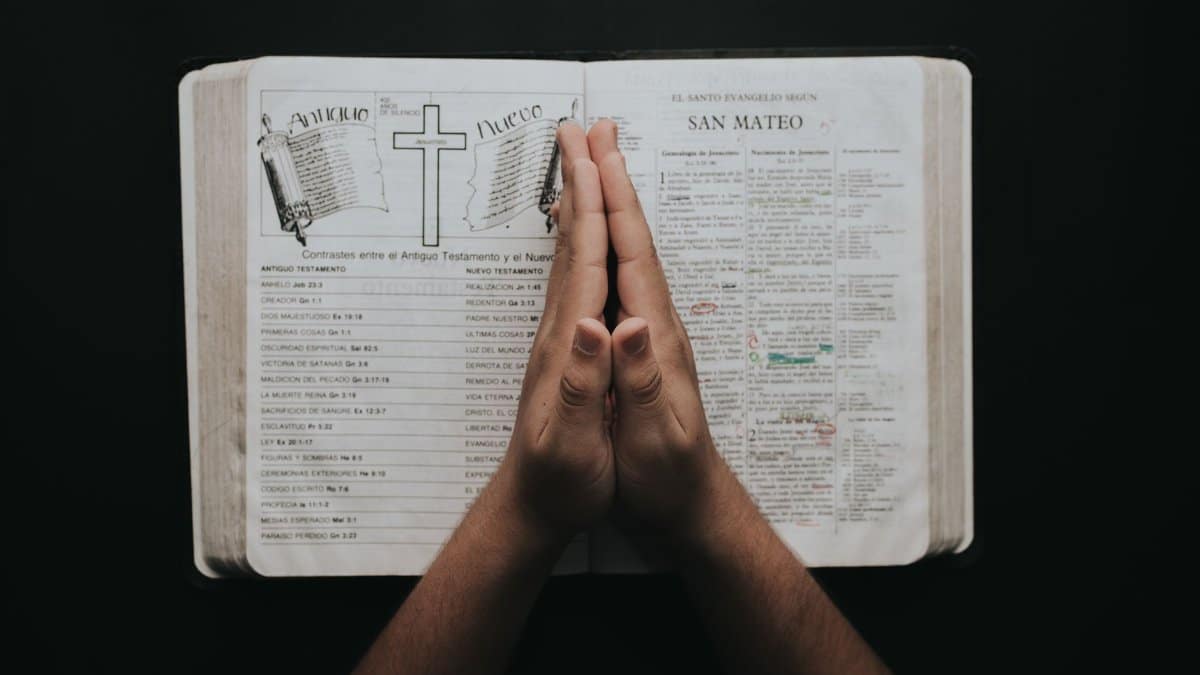
Sí se puede is easy to print on a poster and hard to live. Huerta used it as discipline. It meant the meeting would continue after the threatening phone call. It meant a mother could knock on a door even if her English was uncertain. It meant a loss at the ballot box was not the end of a campaign. In a spiritual register, the phrase sounds like hope. In a union hall it is closer to instruction: do the next practical thing, then the one after that.
Along the march, people said it softly, almost to themselves. It did not feel like a chant borrowed from a rally reel. It felt like a way of keeping grief from becoming resignation.
Who was allowed to stand close
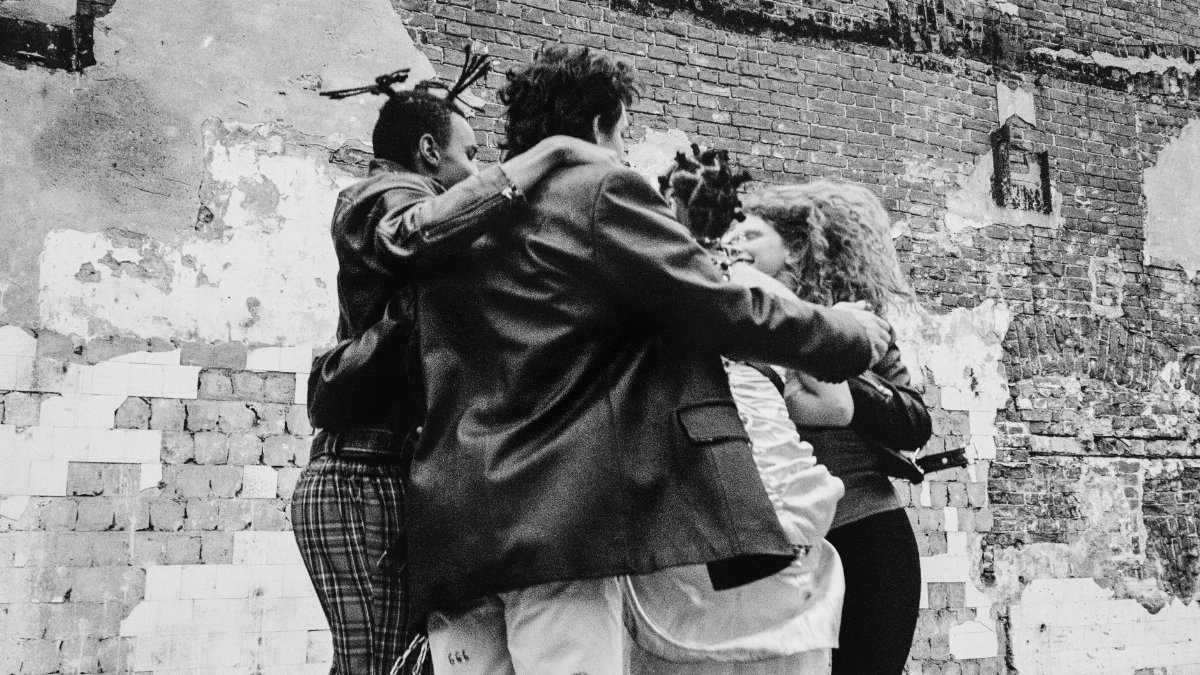
Protocols decide who enters first, who speaks, and who remains outside with a folded flag or a paper cup of coffee. Those decisions are never neutral. At the Dolores Huerta memorial, the most telling arrivals were not the officials whose names were already on the program. They were retirees who had picked grapes, nurses who staffed union clinics, and parish volunteers who had turned church basements into legal aid offices. Their presence argued that proximity to power is not the same thing as authorship of change.
I kept thinking about how rarely a capitol crowd looks like the people whose labor stocks its cafeterias. For a few hours, it did.
The first civilian and the first woman
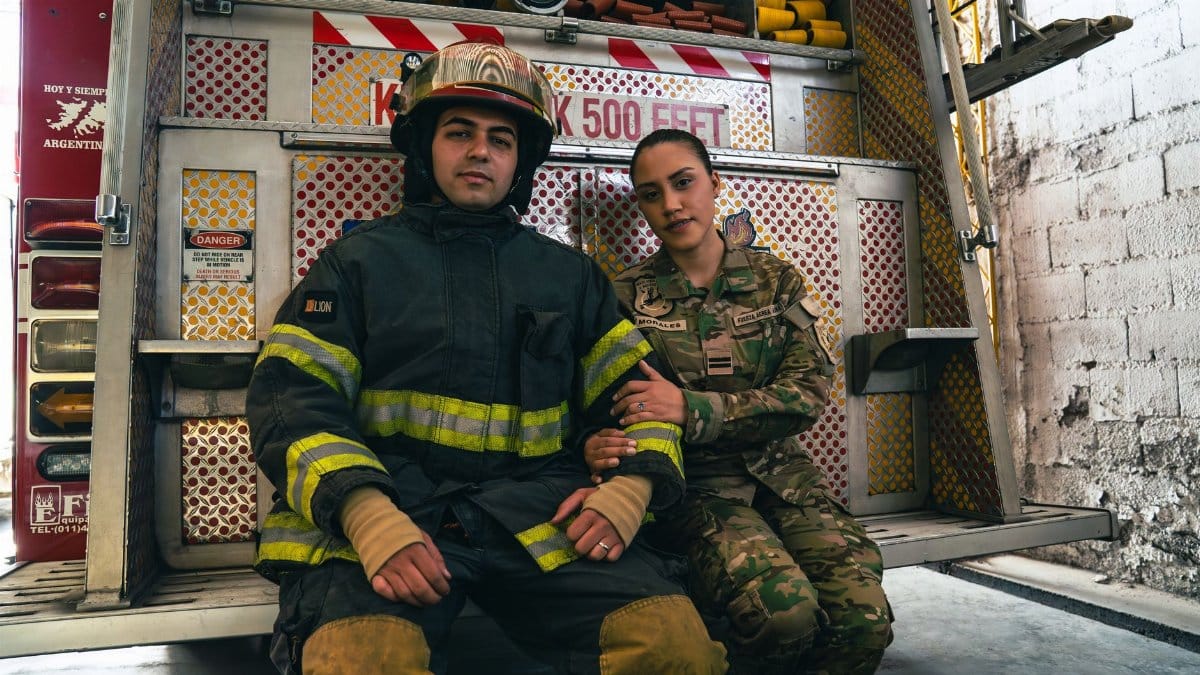
The designation carried two corrections at once. Civilian status acknowledged that civic greatness is not reserved for soldiers and officeholders. The recognition of her as the first woman exposed how slowly even progressive states expand the circle of public reverence. Women have organized California labor for generations, from canneries to garment shops to home care. Huerta’s name is the one millions can pronounce. The rotunda, if it is honest, will not let her stand in for all the others and then close the book.
Firsts are milestones. They are also indictments of the years when no such rite was imaginable.
A faith that stayed near the ground
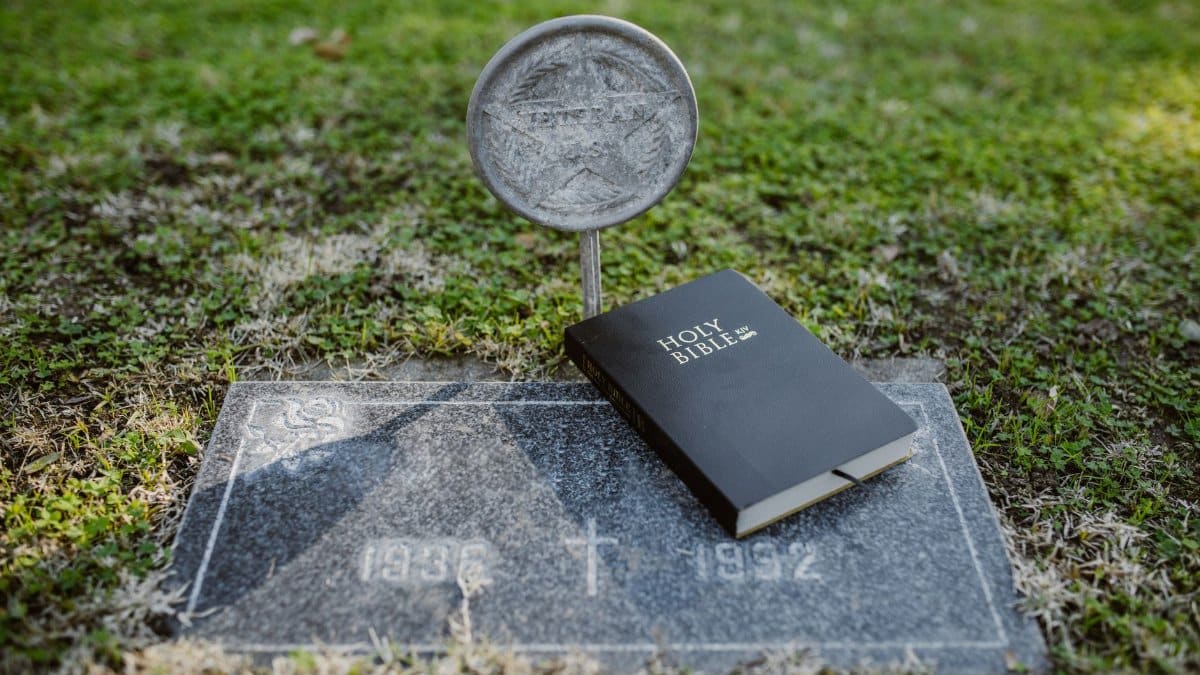
Huerta’s public life brushed against churches without becoming a sermon. Many farm worker campaigns used prayer, fasting, and pilgrimage because those forms were already trusted by the people being organized. A march to a capitol can echo a procession to a shrine. The difference is the demand at the end. Votive candles do not replace a contract. They can, however, remind a tired movement that endurance has a sacred vocabulary.
In the line outside, rosaries and union pins occupied the same wrists. No one seemed confused by the combination. Work, in this tradition, is not separate from the soul. It is one of the places the soul is tested.
Memory that refuses to stay indoors
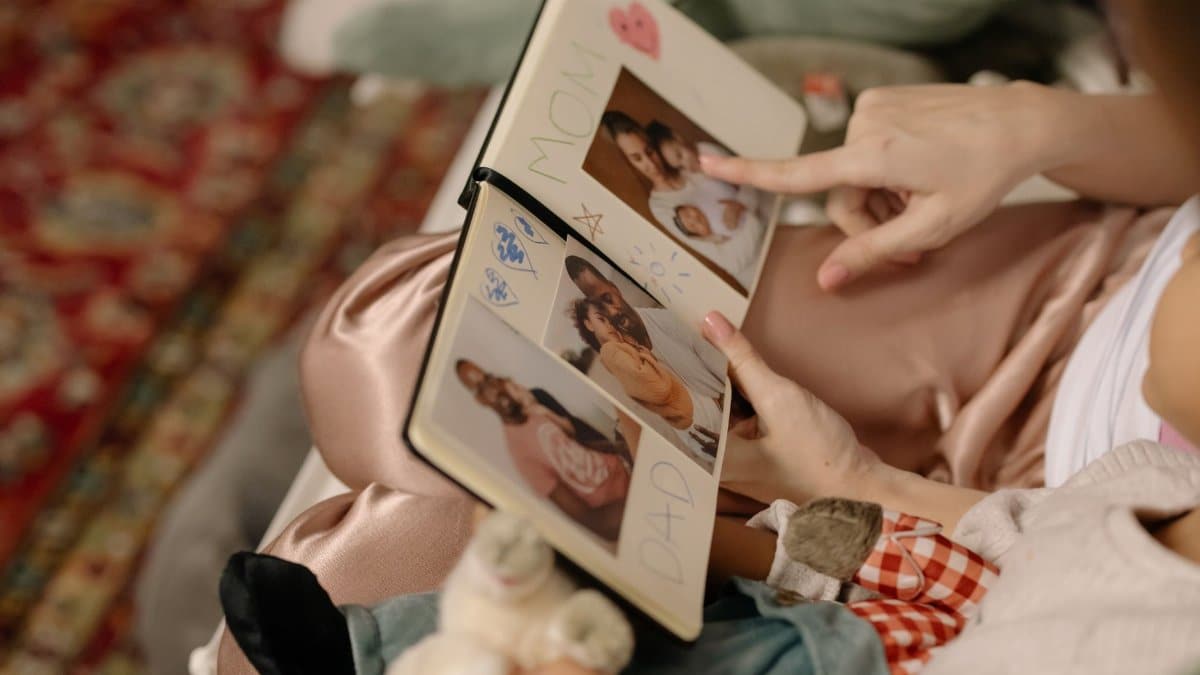
A memorial can freeze a person into bronze manners: brave, unifying, safely past. Huerta resisted that smoothing while she lived, and the crowd resisted it after her death. Speakers who knew her mentioned the arguments, the impatience, the refusal to soften a negotiating point so that a donor would feel comfortable. Affection without friction would have been a second erasure.
The Dolores Huerta memorial worked best when it stayed specific. Not icon. Not mascot. A woman who read contracts, raised children, took blows, and kept showing up in rooms that preferred her absence. Specific memory is harder to merchandise. It is also harder to betray.
What the last march asked of the living

When the viewing ended, the capitol returned to its ordinary traffic of hearings and hallways. The question left on the steps was not whether California could praise Dolores Huerta. It had just proved that it could. The question was whether praise would travel back to the fields, the packing sheds, the overtime rules, the heat protections, and the housing that still fails people who feed the state.
A final march is not a conclusion. It is a transfer. The people who walked to Sacramento carried her name into a building that once would not have made room. They left with the older assignment intact: make the room mean something on the next workday, not only on the day of honor.