

Residents across Los Angeles County find themselves adjusting daily routines as forecasts point to sustained warmth through the middle of the month. Public health officials have activated the LA County Heat Advisory July 2026 to alert communities about risks tied to prolonged exposure outdoors. Parks see fewer visitors at midday while libraries and community centers open extra hours for those seeking cooler spaces. Local businesses report shifts in customer patterns with more people arriving early in the morning before conditions intensify. Emergency services note a rise in calls related to dehydration and heat exhaustion among older adults and outdoor workers. These developments reflect broader patterns seen in recent summers where urban areas face added pressure from rising baseline temperatures.
Regional Temperature Patterns Across Southern California

Southern California experiences a gradual buildup of warmth that often reaches its strongest point in mid July. Valleys inland from the coast tend to register the highest readings while coastal zones benefit from marine layers that provide modest relief. Meteorologists track these variations closely to refine advisories and help residents prepare. Data from past seasons show that peaks rarely arrive in isolation but instead follow several days of steady increases. Communities from the San Fernando Valley to the Inland Empire monitor updates to time errands and outdoor work accordingly.
Public Health Measures Under the Advisory

Health departments expand outreach through social media and local radio to share practical steps for staying safe. Cooling centers operate on extended schedules in high need neighborhoods and transportation agencies adjust bus routes to serve those facilities. Hospitals review protocols for treating heat related illnesses and ensure adequate supplies of intravenous fluids. Community groups organize wellness checks for seniors living alone. These layered efforts aim to reduce hospital visits and keep the most vulnerable residents protected during the advisory period.
Impact on Outdoor Workers and Daily Labor

Construction crews and agricultural teams alter shift times to avoid the hottest stretches of the day. Employers provide additional water stations and shaded rest areas as required under state guidelines. Some projects pause entirely during peak afternoon hours to limit exposure. Delivery drivers report higher vehicle cooling demands while landscapers limit heavy physical tasks. Unions advocate for flexible schedules that prioritize worker safety without halting essential services.
Effects on Energy Use and Infrastructure
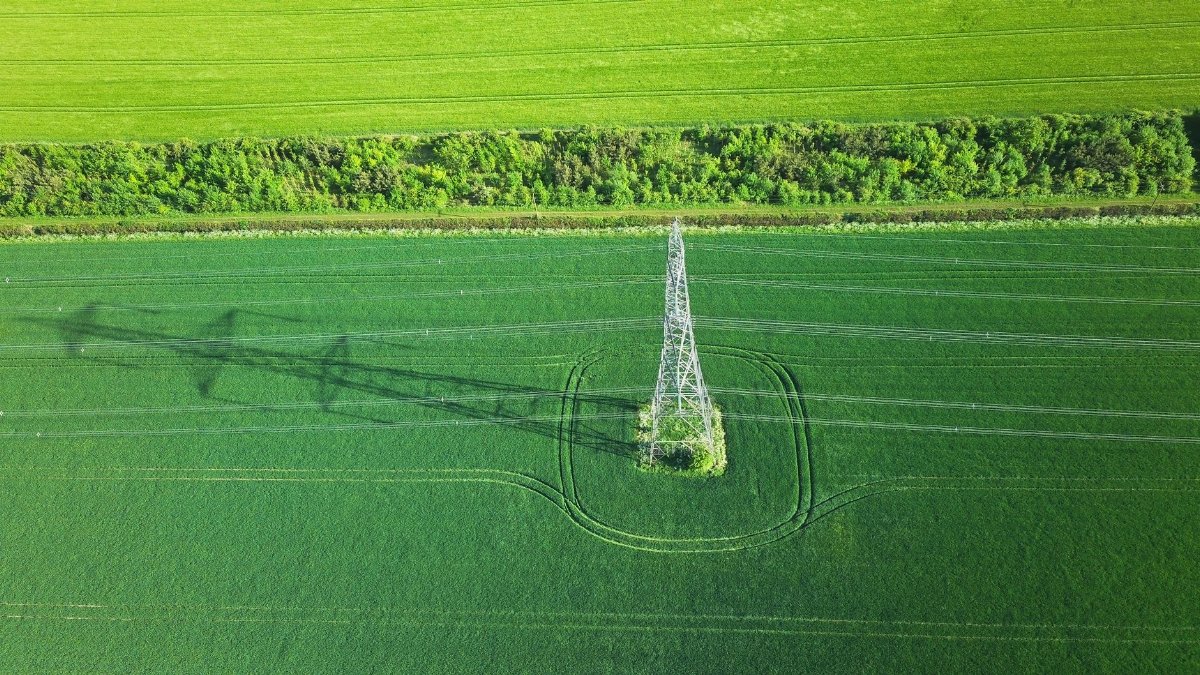
Utility companies observe sharp rises in electricity demand as air conditioning units run longer. Grid operators bring additional generation online to prevent outages in densely populated zones. Maintenance crews inspect substations and power lines more frequently during the advisory window. Residents receive tips on reducing usage during peak demand periods to ease strain on the system. Long term planning discussions continue around expanding renewable sources to meet summer loads.
Changes in Public Transit and Travel Habits

Transit ridership patterns shift as commuters choose earlier departures to avoid intense afternoon conditions. Bike share programs see lower usage during midday hours while ride hailing services note increased requests for short trips. Airports adjust ground operations to protect staff from prolonged sun exposure. Highway rest stops experience heavier traffic from travelers pausing for water and shade. These adaptations illustrate how the advisory influences movement throughout the region.
Community Responses and Local Support Networks

Neighborhood associations distribute fans and hydration kits to households without adequate cooling. Faith based organizations open their facilities as temporary refuges during the warmest parts of the day. Schools extend access to indoor recreation spaces for families with children. Social media groups coordinate rides to cooling centers for those without personal vehicles. Such grassroots actions complement official announcements and strengthen local resilience.
Looking Ahead Beyond the Current Advisory

Forecasters expect conditions to ease gradually toward the end of the month though monitoring continues for any renewed spikes. City planners review lessons from the advisory to improve future response plans. Discussions around urban tree canopy expansion and cool pavement projects gain renewed attention. Residents reflect on personal adjustments that proved most effective during the period. Continued vigilance remains important as seasonal patterns evolve.