

On a late summer afternoon in Los Angeles, the argument was not about medals or opening ceremonies. It was about a bill for protection. City leaders want the group staging the 2028 Summer Games to purchase LA28 Olympics insurance worth $650 million, coverage meant to respond if a disaster forces cancellation. The request sounds technical. It is really a question about who stands behind a promise the whole region has already begun to live inside.
The request on the table

The ask is plain enough to fit in a headline and complicated enough to occupy lawyers for months. Los Angeles wants LA28, the private organizing group behind the Games, to buy cancellation insurance at that $650 million level. The Los Angeles Times has reported the city’s position: if a disaster wipes the event off the calendar, the public should not be left to discover, after the fact, that nobody purchased a serious backstop.
Cancellation is the nightmare version of a planning document. Hotels are booked. Streets are redrawn. Sponsors have spent years attaching their names to a date. A policy does not rewind any of that. It is supposed to put money where a vanished event used to be, so that contracts, payrolls, and public commitments do not all collapse at once.
What cancellation coverage is meant to do

In the ordinary life of a stadium or a festival, cancellation coverage is a specialist product. It responds when a defined event makes it impossible, or sometimes only impractical, to go forward. Earthquake, fire, flood, civil emergency, and certain failures of essential infrastructure are the kinds of perils people picture. The wording matters more than the brochure. A policy can be broad in conversation and narrow in the exclusions.
For an Olympics, the scale changes the conversation. The Games are not one show in one hall. They are a web of venues, transit plans, security details, broadcast windows, and housing. A useful policy has to say what counts as cancellation rather than postponement, and which losses are paid: organizing costs already spent, lost revenue, obligations to contractors, or some blend of those. Readers should treat any round number as a ceiling under negotiation, not as a check already written.
Why $650 million keeps coming up

Six hundred fifty million dollars is large enough to sound like a civic shield and small enough, next to the full machinery of a Summer Games, to invite argument. City officials appear to want a figure that would matter if the worst week in the region’s recent memory arrived in the summer of 2028. Organizers, who must also raise money, build temporary works, and satisfy sponsors, will look at the same figure as a premium that competes with every other line in the budget.
Premiums for this kind of cover are not published on a city website like a parking fine. Insurers price the chance of a trigger, the size of the payout, and the quality of the risk controls around venues and crowds. A higher limit usually means a higher premium, unless the buyer accepts deductibles, sublimits, or a narrower list of perils. That trade is where the public interest hides. A cheap policy that does not pay is not a bargain. An expensive policy that starves operations can create a different kind of failure.
A city that already knows disaster
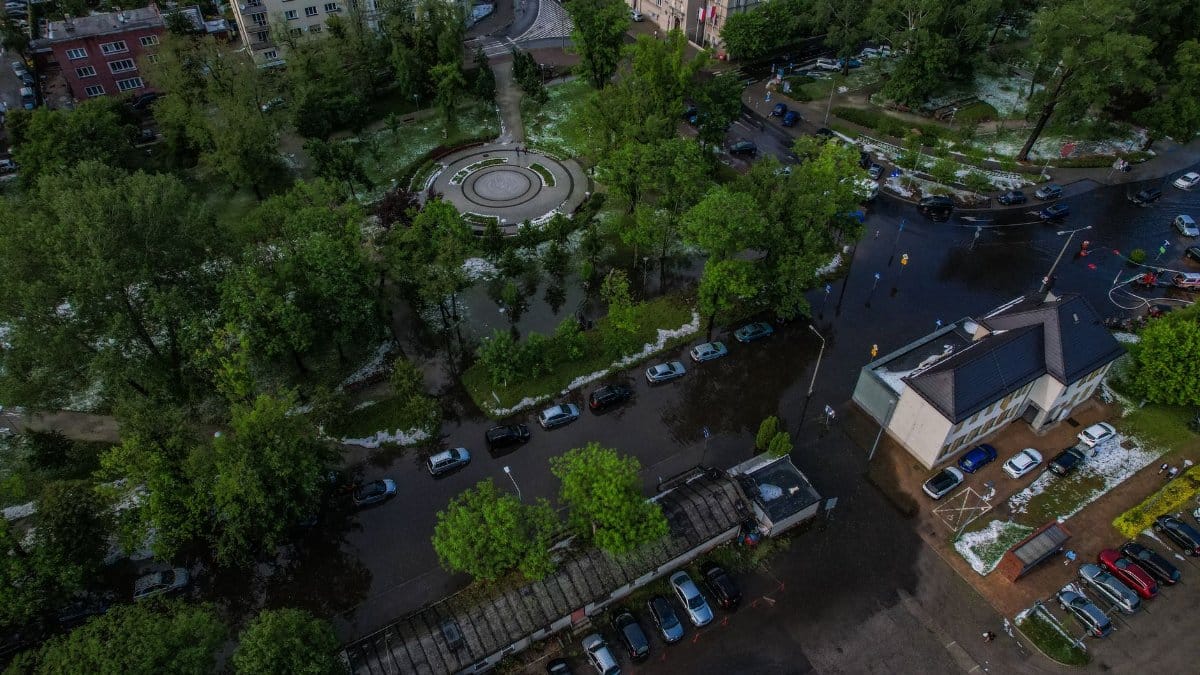
Los Angeles does not need a visiting event to teach it about rupture. Earthquakes sit in the civic memory. Wildfire seasons have rewritten hillsides and air. Floods arrive in bursts that surprise people who think of the basin as dry. Any serious talk of LA28 Olympics insurance starts from that geography, not from an abstract fear imported from somewhere else.
The moral pressure is easy to feel and hard to price. Residents have watched public agencies ask for trust after fires and quakes, then argue for years over who pays for recovery. A Games that sells itself as a celebration of the city will be judged, fairly or not, on whether its planners treated local hazard as a footnote. Insurance is not resilience. It does not harden a bridge or clear a fuel break. It is a financial answer to a physical question, and people can tell when leaders confuse the two.
Who holds the loss
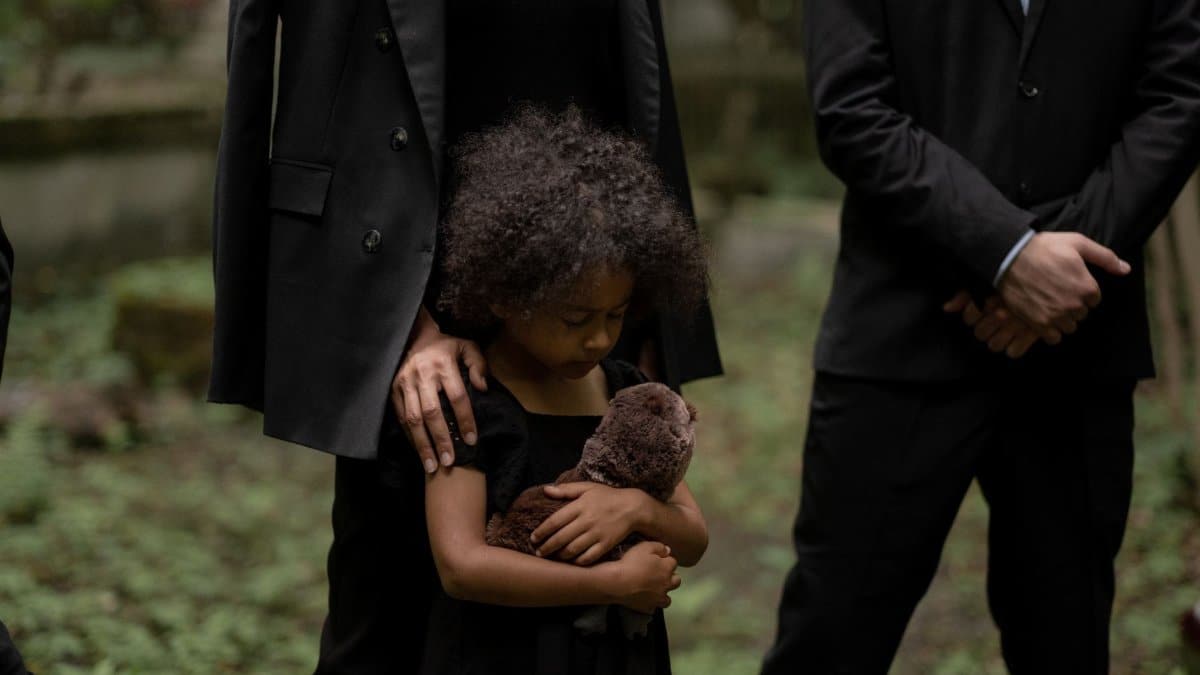
The structure of these Games puts a private organizing group in front and a host city in the background, bound by agreements that most residents will never read. That split is efficient until something breaks. Then every clause about indemnities, shortfalls, and remaining obligations becomes a story about taxpayers.
City leaders are essentially saying that cancellation risk should sit with the entity that controls the event, and that the entity should prove it can pay. LA28 can answer that it already carries a stack of covers for construction, liability, and accidents, and that a jumbo cancellation limit is a separate purchase with its own cost. Both statements can be true. The useful public question is simpler: if the Games cannot be held, whose balance sheet absorbs the first large loss, and whose absorbs the rest?
I keep returning to a plainer version of that question. If the summer arrives and the event cannot, will a family that never bought a ticket still help pay for the absence? Insurance is one way to say no, or at least not first.
What a policy can and cannot promise

No honest description should pretend that LA28 Olympics insurance, even at $650 million, is a guarantee that the Games happen or that every harmed party is made whole. Insurers dispute claims. They investigate whether a peril was covered, whether the insured did what the policy required, and whether the loss is the one described in the wording. Large claims become negotiations. Sometimes they become lawsuits.
There are also losses a check does not touch. A canceled Games would strand athletes who built years around a single window. It would bruise small businesses that hired staff for a fortnight of visitors. It would leave a psychic dent in a city that had rehearsed pride. Money can ease contracts. It cannot restore the gathering. Leaders who speak only in premium and limit are telling a partial truth, which is still better than a soaring promise with no payer behind it.
The gathering people treat as inevitable
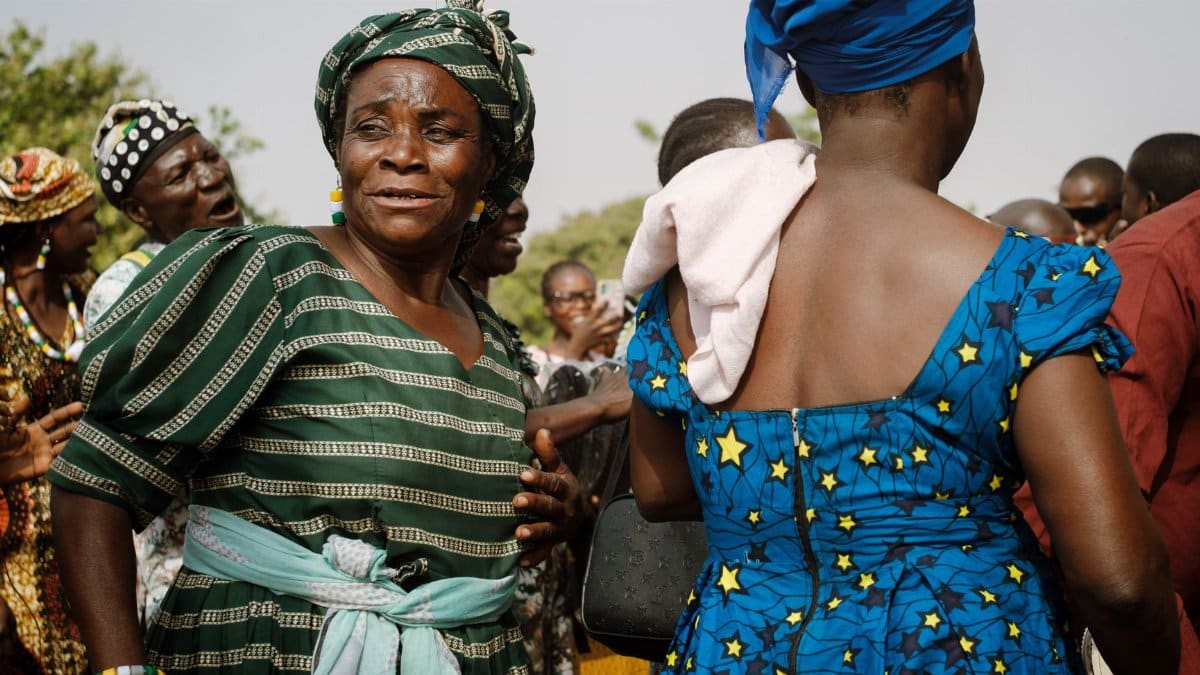
There is a near ceremonial confidence around an Olympics once the date is set. Routes are published. School calendars bend. Children grow up expecting to be old enough to watch. That confidence is a kind of civic faith, not religious in doctrine but religious in habit: a shared belief that the appointed summer will arrive and the city will be ready.
Contingency planning feels almost rude beside that faith. It admits that weather, earth, fire, or a wider emergency can veto the calendar. Yet communities that last are the ones that can hold hope and contingency in the same hand. Buying cover is a secular rite of that maturity. Refusing to discuss it, or hiding the cost inside vague assurances, treats the public as an audience rather than as a partner.
The watch list for the year ahead

Several facts will tell residents whether this request was theater or governance. The first is whether a policy is actually bound, and at what limit, not merely studied. The second is whether the city can describe, in ordinary language, which disasters would trigger payment and which famous risks are left outside. The third is who pays the premium: organizers alone, a mix with public funds, or some structure that only looks private.
Readers should also watch the other covers that sit beside cancellation: liability for spectators, construction, cyber disruption of ticketing and broadcasts, and the security apparatus the Games will require. A dazzling cancellation limit next to thin protection elsewhere would be a strange kind of prudence. The full stack, and the agreements that say what happens if insurance is not enough, is the real document.
None of this requires cynicism about the athletes or the neighborhoods that want the world to visit. It requires the same habit Angelenos already use when they strap a water heater or clear brush before a wind event. Hope is not the opposite of preparation. For the 2028 Games, LA28 Olympics insurance at the level the city is demanding is one visible test of whether preparation has a price someone is willing to pay before the ground moves, the hills burn, or some other disaster makes the question too late to ask.