
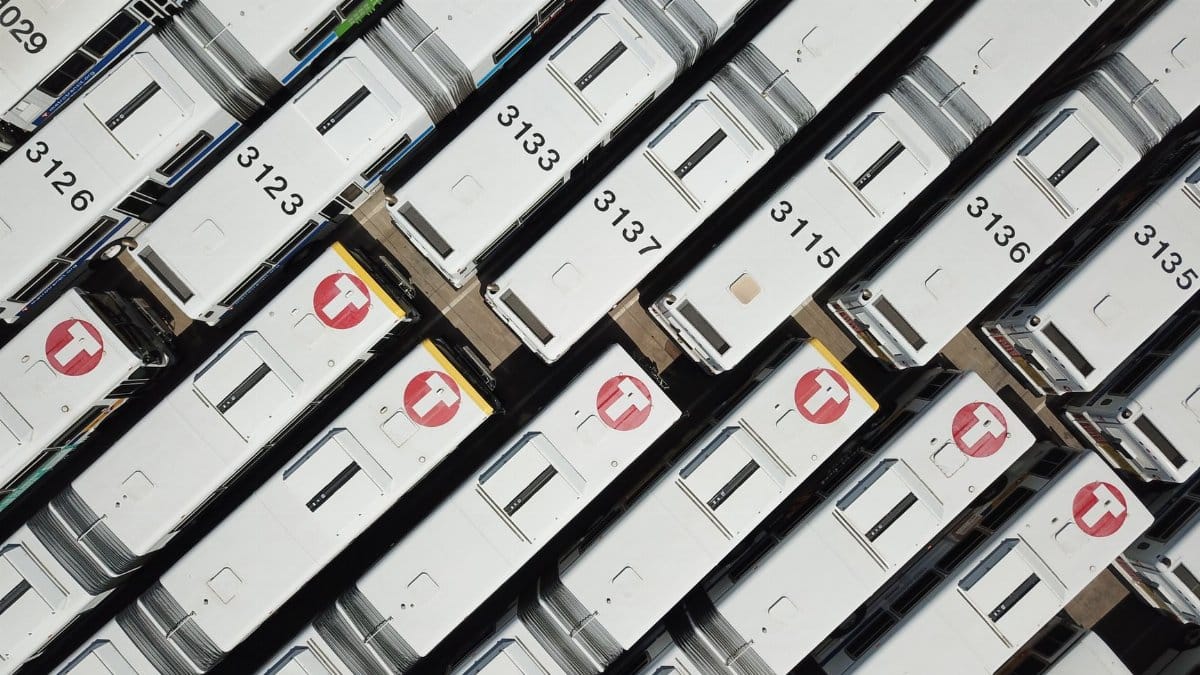
Los Angeles area lawmakers are pressing the White House for quick action on major transit upgrades as the city readies itself for the 2028 Olympic Games. With millions of visitors expected to arrive over several weeks the existing bus and rail networks face serious strain. In a recent letter five House Democrats highlighted the need for Olympics transit funding to add buses create dedicated lanes and expand service in key corridors. The request totals around two billion dollars and aims to avoid the kind of gridlock that could tarnish the event for both athletes and spectators.
Lawmakers reach across party lines on transit needs
The letter signed by representatives from the Los Angeles region urges federal officials to move fast on approvals. These lawmakers note that past Olympic hosts often underestimated crowd sizes and paid a price in public frustration. They argue that early investment now can prevent costly fixes later while also serving daily commuters long after the games end.
History of Olympic cities and their transport plans
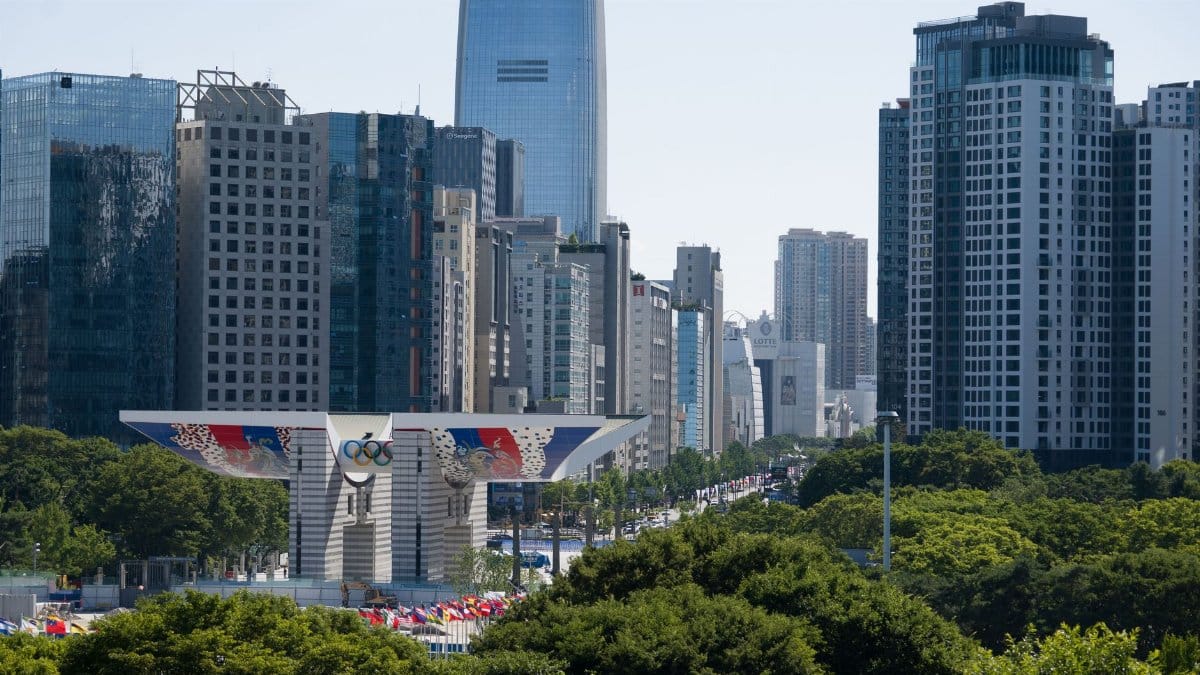
Previous hosts such as London and Tokyo built new rail lines years ahead of time. Those projects took careful coordination between local and national governments. Los Angeles already has some rail expansion underway yet the pace may not match the surge in demand during the games. Observers point out that relying only on existing systems risks overcrowding on popular routes.
Traffic patterns unique to Southern California
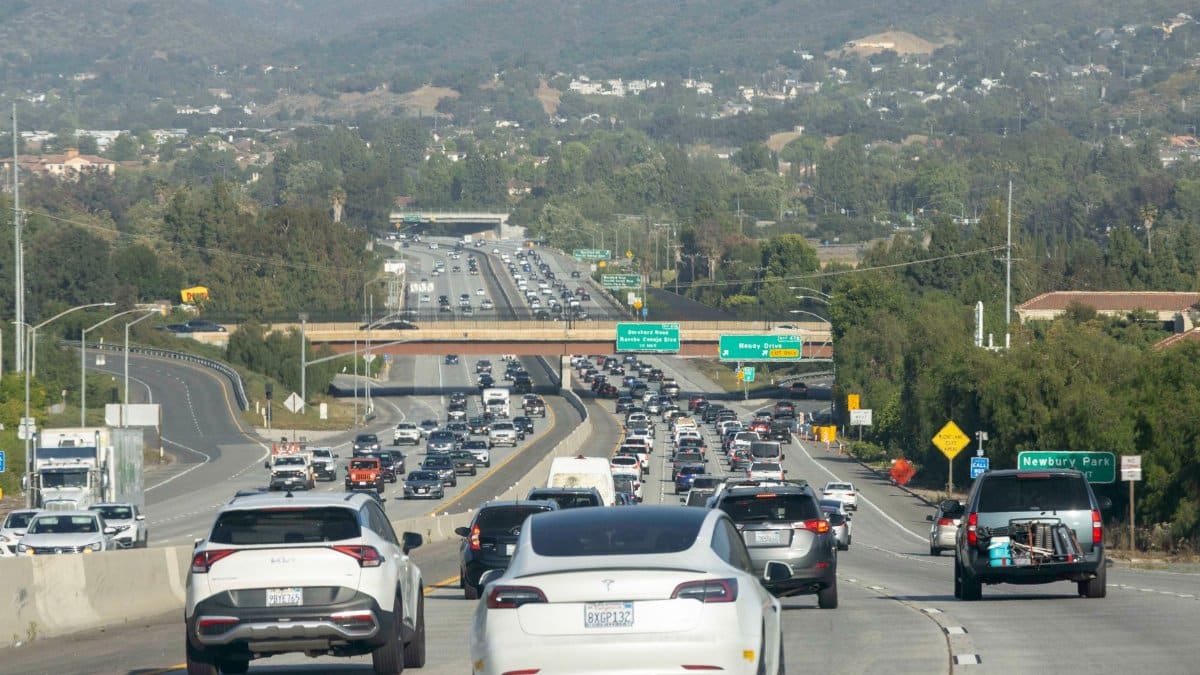
The region spreads across a vast area with many residents driving alone each day. Adding temporary bus routes and high speed lanes could shift some trips to shared options. Planners believe this approach offers flexibility without requiring permanent new construction in every neighborhood. Data from regional agencies shows steady growth in rideshare use that could be guided toward transit with the right incentives.
Economic effects of smooth event logistics
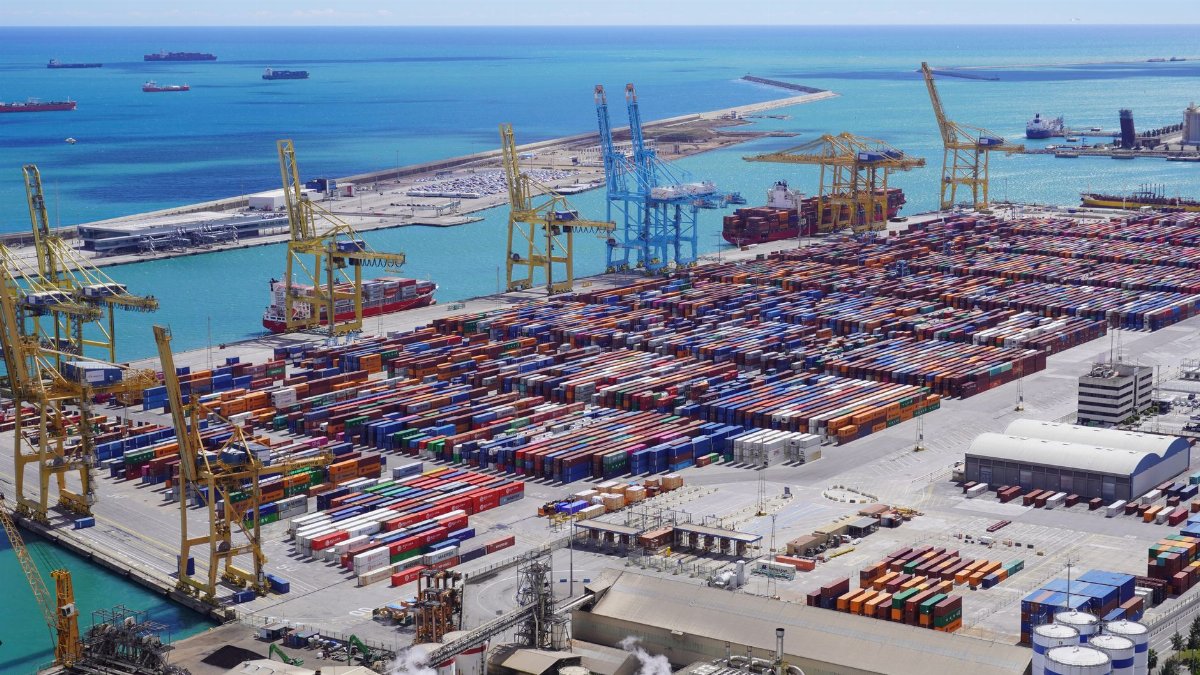
Business groups worry that delays getting to venues might reduce spending at restaurants hotels and shops. A reliable transit network supports tourism revenue that spreads beyond the main stadiums. Studies of earlier games indicate that cities with strong visitor movement see higher overall economic returns. Local officials hope federal support will protect those gains.
Environmental gains from increased public transit
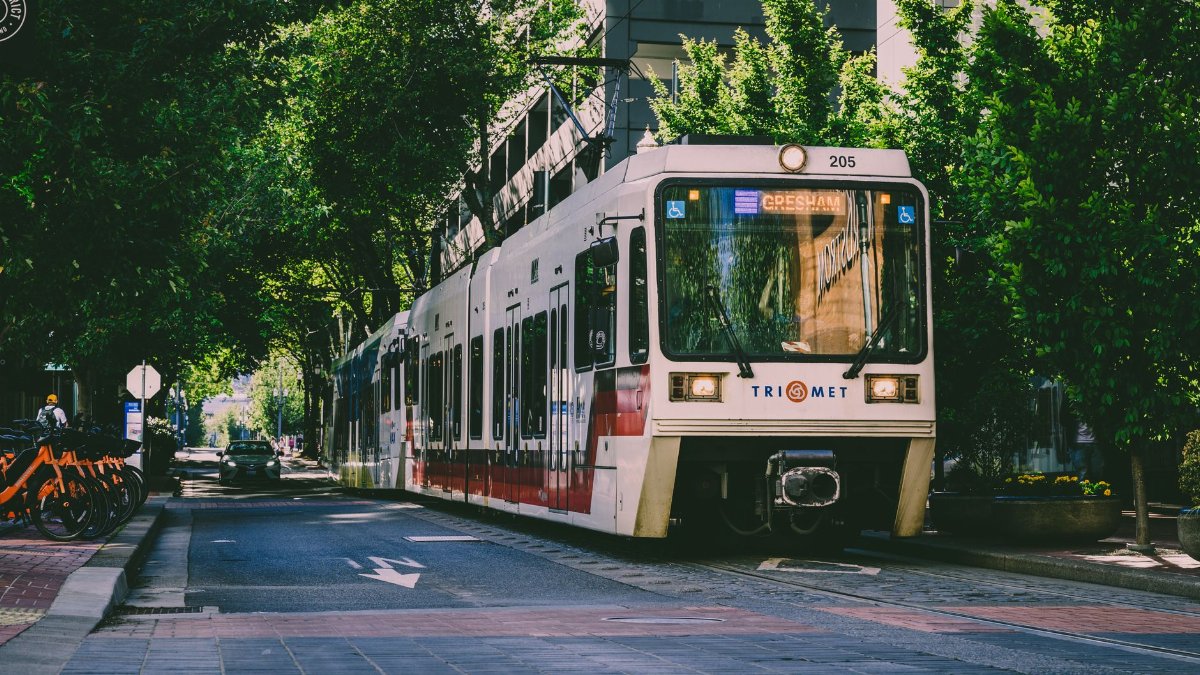
More buses running on cleaner fuels can cut emissions during the peak period. Los Angeles has set air quality targets that align with broader state goals. Shifting even a modest share of trips away from private cars helps meet those marks. Advocates say the same improvements benefit residents year round once the games conclude.
Challenges in securing federal dollars quickly
Budget cycles in Washington often move slowly and competition for funds remains high. The lawmakers stress that timing matters because contracts for new vehicles and lane markings need months to complete. They suggest streamlined review processes that still maintain oversight. Without faster action some elements of the plan may slip past useful deadlines.
Public views on event related improvements
Surveys in the region show mixed feelings about the games themselves yet strong support for better daily transit. Residents want options that reduce commute times regardless of special events. Community meetings have drawn comments on equity so that lower income areas also gain from added service. Officials plan to include those voices in final route choices.
Comparisons with other recent major events

World cup matches and large conventions have tested transit systems in various cities. Success often depended on temporary measures such as extra trains and clear signage. Los Angeles can draw lessons from those cases while adapting to its own layout. Early coordination with state agencies appears essential for consistent execution.