
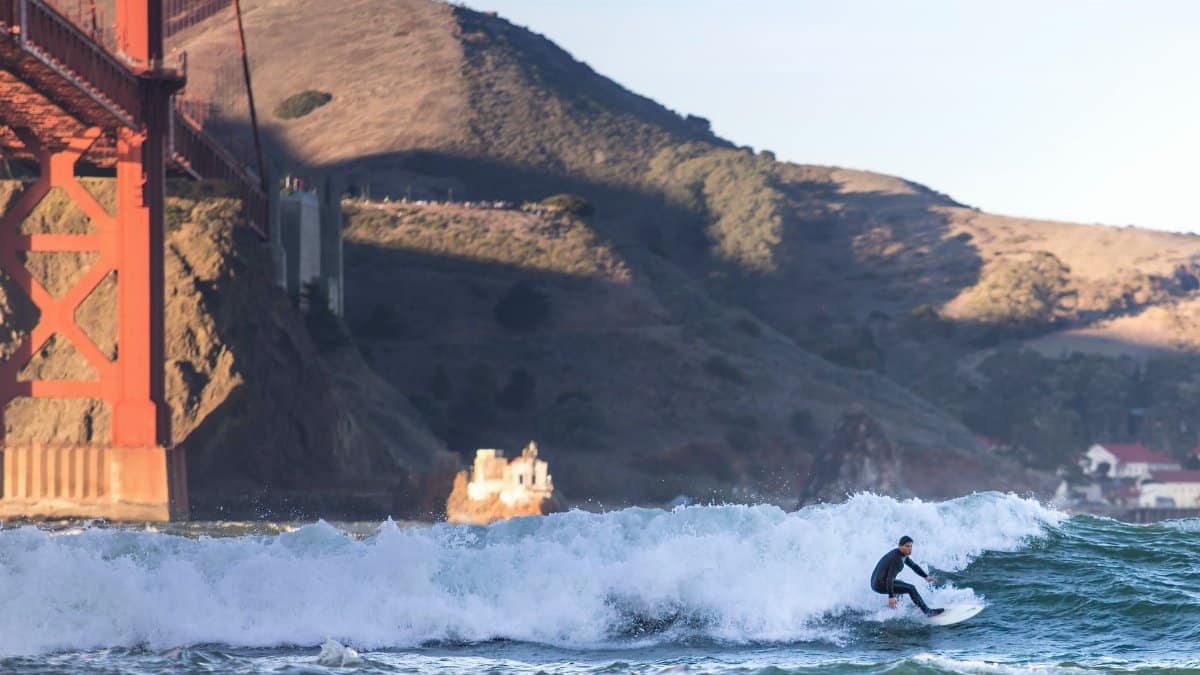
The winds off the San Francisco coast can shift in an instant, turning a recreational outing into a fight for survival. One recent afternoon brought this reality into sharp focus when a lone kite surfer became stranded amid the powerful currents beneath one of the worlds most recognized spans. The episode, now referred to as the Golden Gate Bridge Kite Surfer Rescue, serves as a reminder of how quickly conditions in these waters can overwhelm even experienced participants.
Conditions That Set the Stage for Trouble

The San Francisco Bay presents a unique mix of tidal flows and gusty air patterns that challenge anyone venturing onto the surface. On the day in question, forecasts had called for moderate breezes, yet actual speeds climbed higher than anticipated near the bridge towers. Such discrepancies often catch participants off guard because the topography funnels air in unpredictable ways. Local monitoring stations recorded rapid changes that left little margin for error once a rider was in motion.
How the Surfer Became Isolated
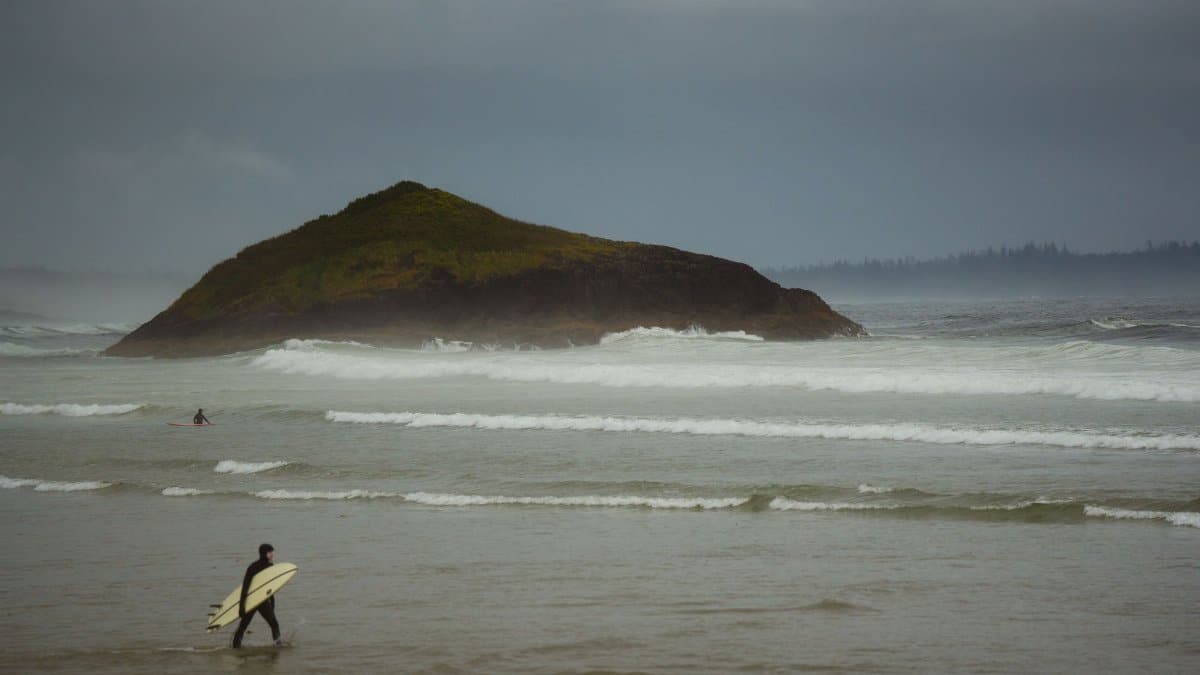
The individual had launched from a popular access point east of the bridge, intending a short session along the shoreline. Equipment performed as expected until a sudden gust carried the kite beyond reach of easy recovery. Without immediate options to return to shore, the surfer drifted into an area where boat traffic and strong outflows compounded the difficulty. Witnesses on the span above noticed the situation and placed calls that activated the full rescue chain.
Coordination Among Responding Agencies
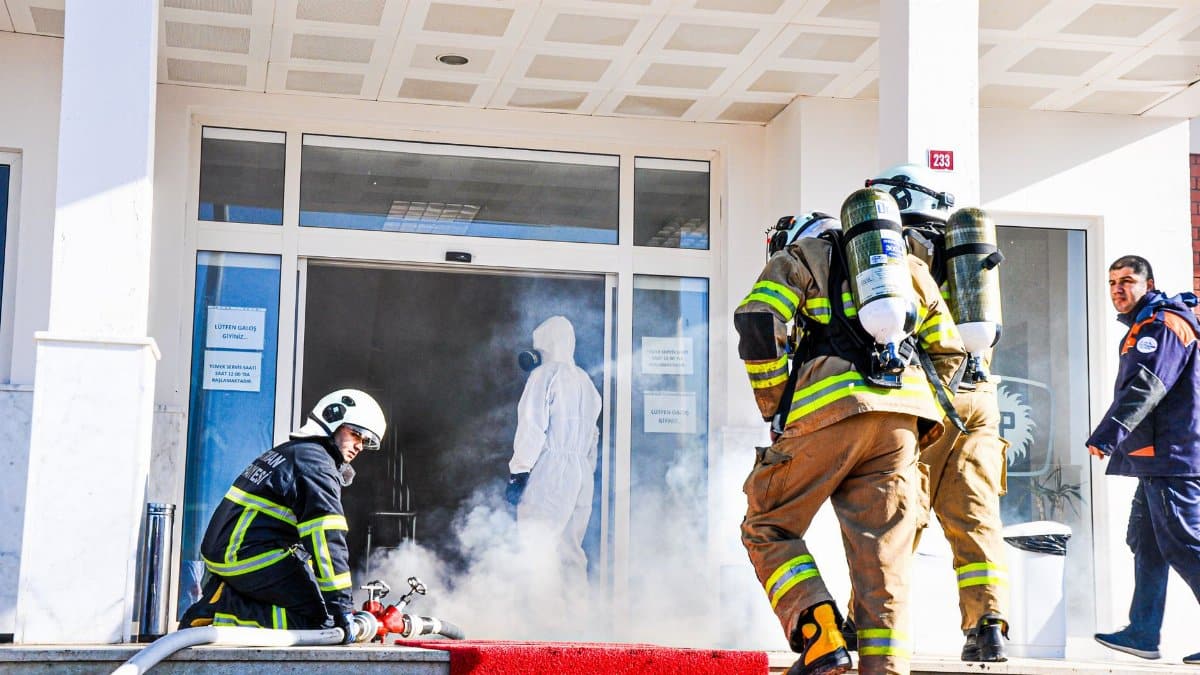
Multiple organizations converged within minutes, each contributing specialized assets suited to the environment. Coast Guard vessels handled the open water approach while harbor patrol units managed closer shoreline support. Communication between teams relied on established protocols refined through prior incidents in the same vicinity. This layered response minimized delays that could have escalated the outcome.
Equipment Choices That Influenced the Outcome
Modern kite designs incorporate quick release mechanisms and flotation aids intended to buy time in emergencies. In this instance the gear allowed the surfer to remain above water until help arrived, though recovery still required external intervention. Experts note that regular inspection of lines and harnesses remains essential because even minor wear can reduce effectiveness when conditions turn demanding.
Public Reaction and Media Attention

Video clips captured from the bridge circulated quickly across local networks, prompting discussions about access points and real time advisories. Some viewers expressed surprise at the proximity to such a heavily visited landmark, while others recalled similar events from past seasons. The coverage underscored ongoing interest in how urban waterways intersect with adventure sports.
Lessons Shared by Seasoned Participants

Those who frequent the bay emphasize checking multiple forecast sources and maintaining visual contact with landmarks at all times. They also recommend carrying redundant signaling devices beyond basic phone access, given spotty coverage in certain zones. These habits reflect accumulated experience rather than any single regulation.
Environmental Elements at Work

Tidal exchanges through the Golden Gate create standing waves and eddies that can trap floating objects for extended periods. Combined with afternoon sea breezes, the result is an environment that rewards preparation yet punishes complacency. Seasonal variations further alter risk profiles, with winter months often bringing stronger sustained winds.
Comparisons to Earlier Bay Area Incidents
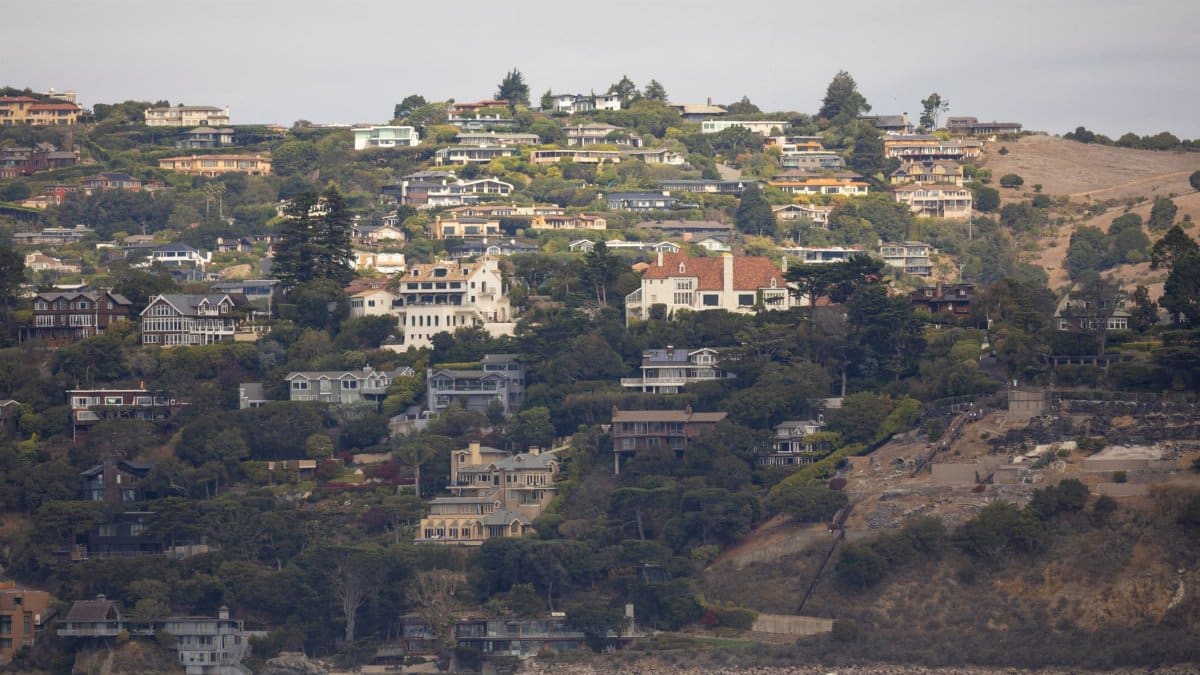
Records show several comparable situations over the last decade, each prompting incremental improvements in response times. The current case benefited from those refinements, including better interagency radio links and updated mapping of hazardous zones. Such progress illustrates how repeated events can drive practical changes without restricting public use of the waters.
Guidance for Newcomers Considering the Sport
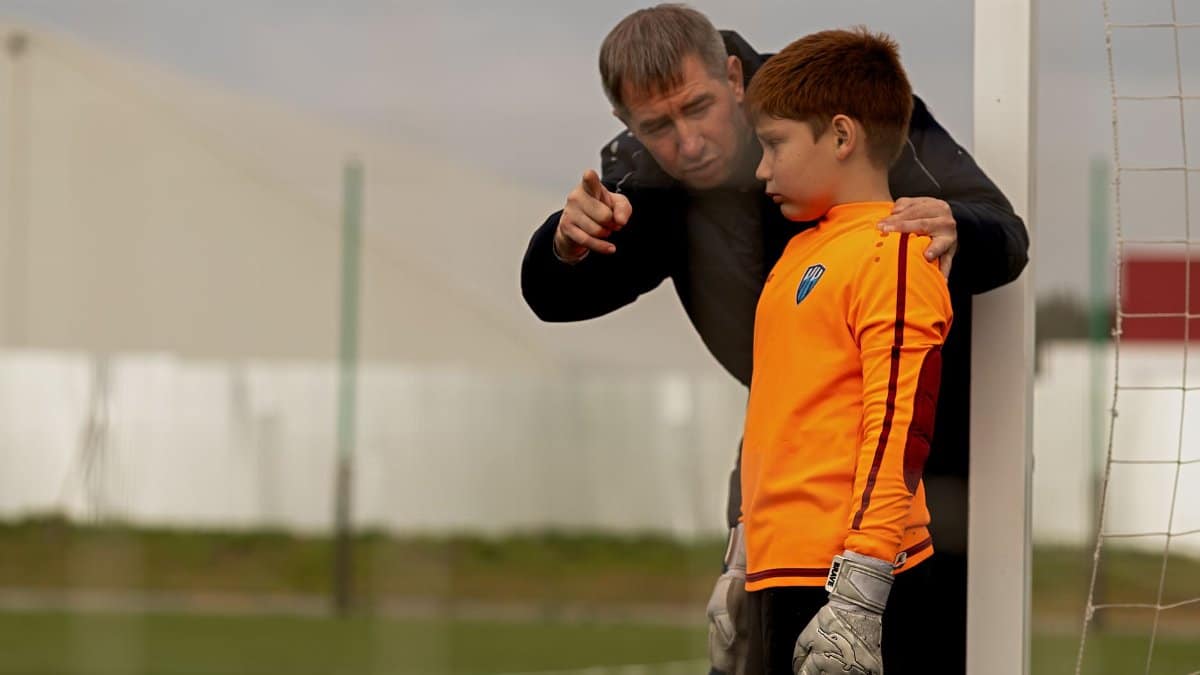
Individuals exploring kite surfing for the first time benefit from formal instruction at designated teaching sites away from high traffic corridors. Building familiarity with local wind patterns through supervised sessions reduces the likelihood of finding oneself in similar straits. Many schools now incorporate scenario based drills that simulate equipment failure or sudden weather shifts.
Role of Technology in Modern Rescues
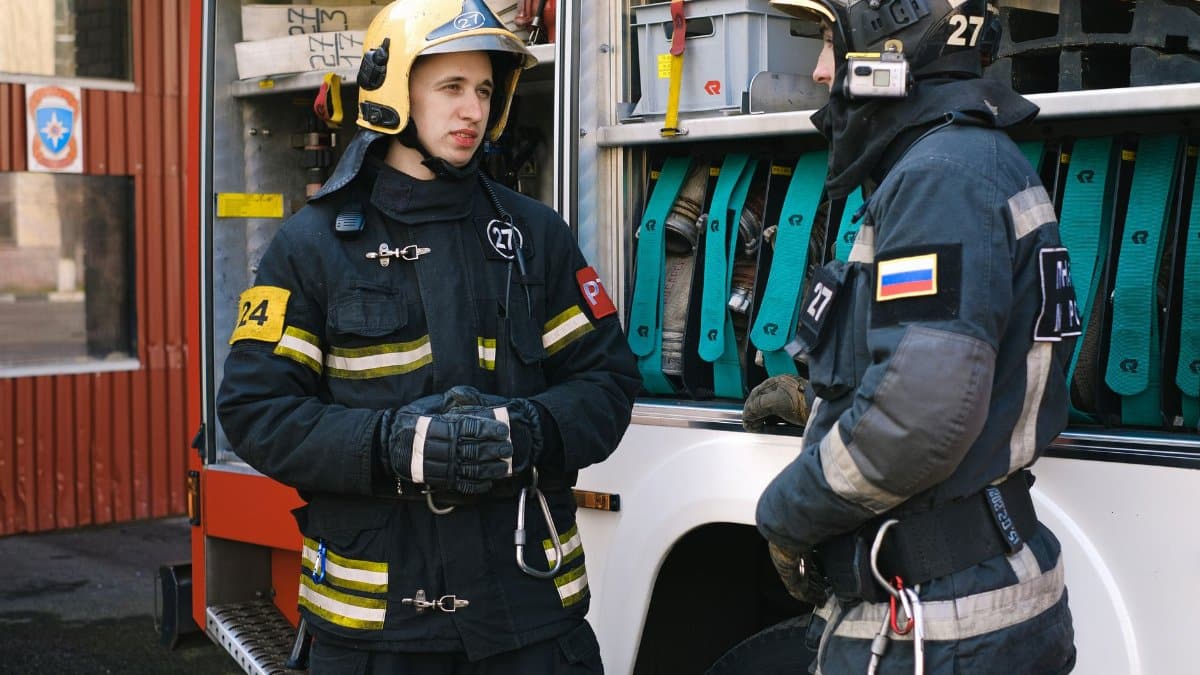
Portable GPS beacons and automated alerts have shortened the interval between distress calls and arrival of assistance. In the Golden Gate Bridge Kite Surfer Rescue, such tools helped pinpoint location despite limited visibility from shore. Continued refinement of these systems promises further gains, though they function best when paired with sound judgment on the water.
Broader Implications for Regional Recreation
The episode has renewed conversations among park officials and user groups about signage and seasonal briefings at launch ramps. While outright closures remain unlikely, targeted advisories during peak wind periods could help manage exposure. Balancing access with awareness remains a persistent challenge in this scenic yet dynamic setting. The Golden Gate Bridge Kite Surfer Rescue may ultimately contribute to those evolving practices.