
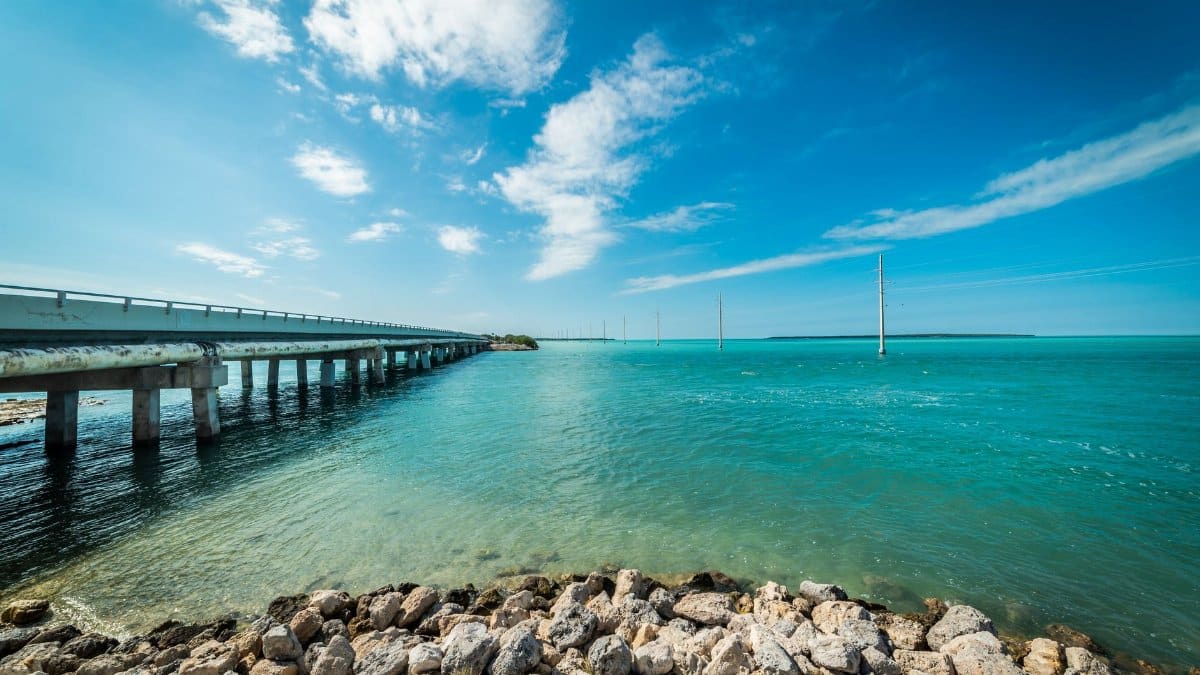
Beachgoers at Long Key State Park noticed a bulky package resting near the waterline after a routine morning tide. Authorities arrived soon after and secured the item before any public contact occurred. Tests later pointed to a substance that matched common smuggling profiles. This event forms part of a wider pattern referred to as Florida Keys Narcotics Wash Up.
Details Surrounding the Recent Package

Deputies measured the bundle at roughly one and a half kilograms. The outer wrapping consisted of several layers of plastic and tape designed to survive water exposure. No markings identified the sender or intended recipient. Investigators logged photographs and sent samples to a state laboratory for full analysis.
Role of the Monroe County Sheriffs Office
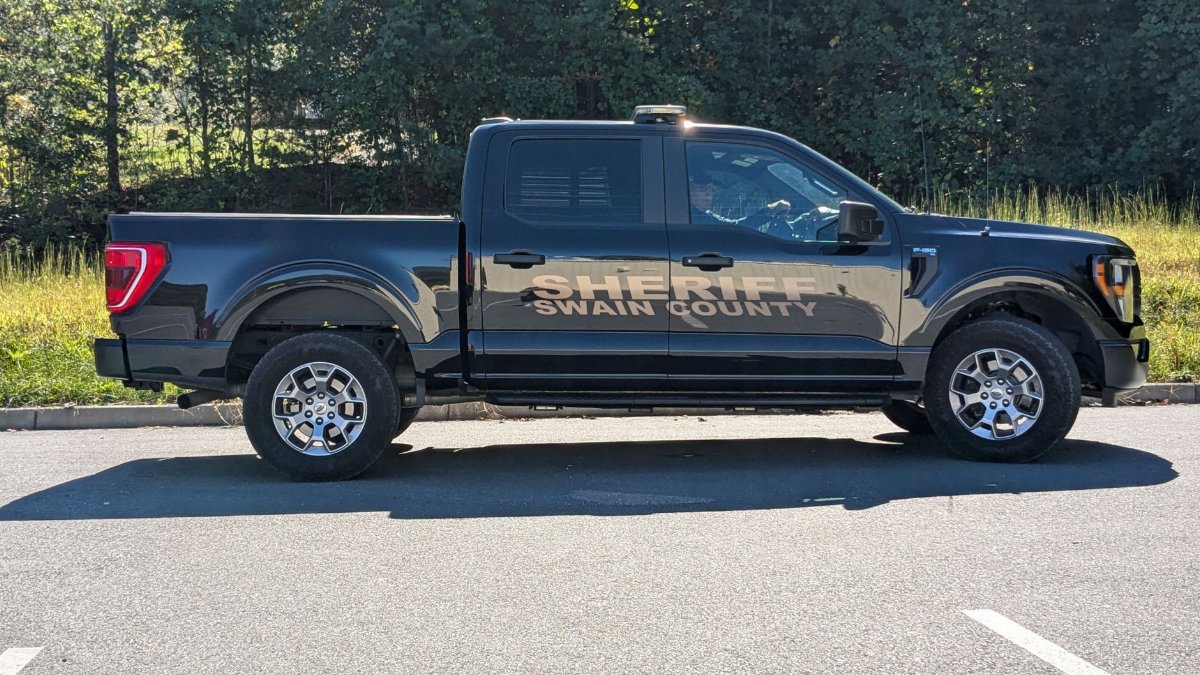
Office personnel followed standard protocols for marine recovery cases. They cordoned off a small section of shoreline and interviewed nearby visitors. The office issued a brief statement confirming the substance as suspected narcotics without releasing further details that might affect ongoing inquiries.
Patterns Observed Over Recent Years

Similar bundles appear at irregular intervals along the island chain. Records show most recoveries occur after strong currents or storms shift debris patterns. Analysts note that the frequency remains steady even as enforcement methods evolve.
Maritime Routes and Possible Sources
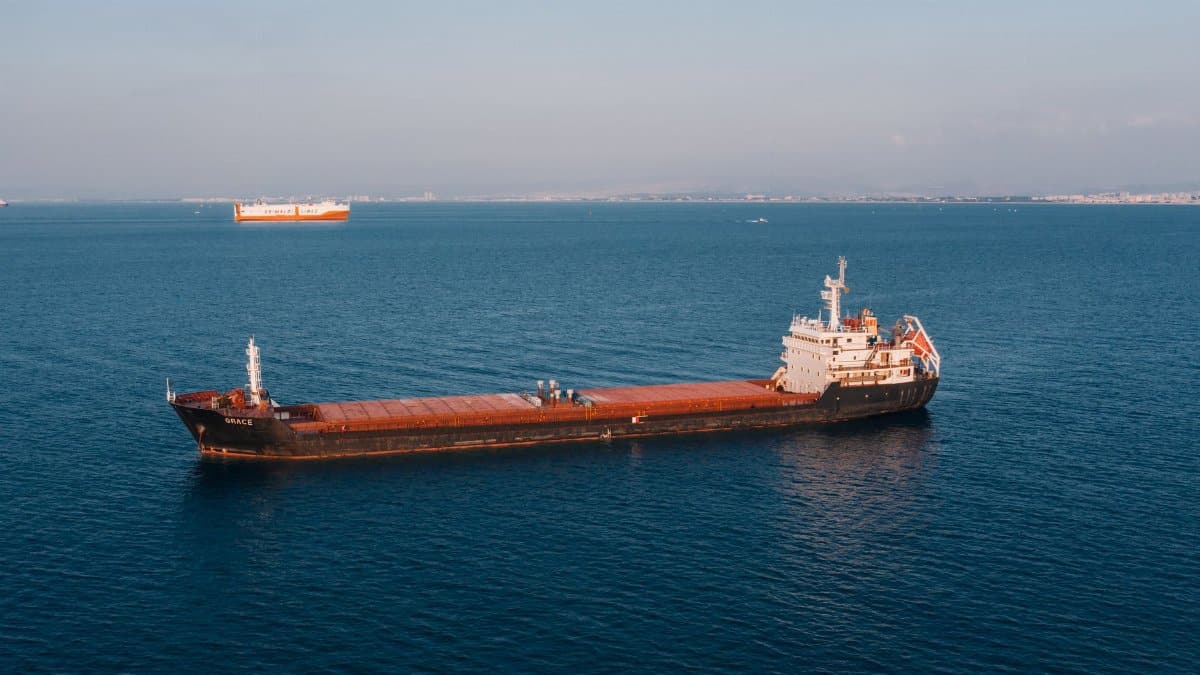
Smuggling vessels sometimes discard loads when interception seems likely. Strong seasonal currents then carry the packages toward the Keys shoreline. Experts trace many of these paths back to departure points farther south in the Caribbean basin.
Effects Felt by Local Residents
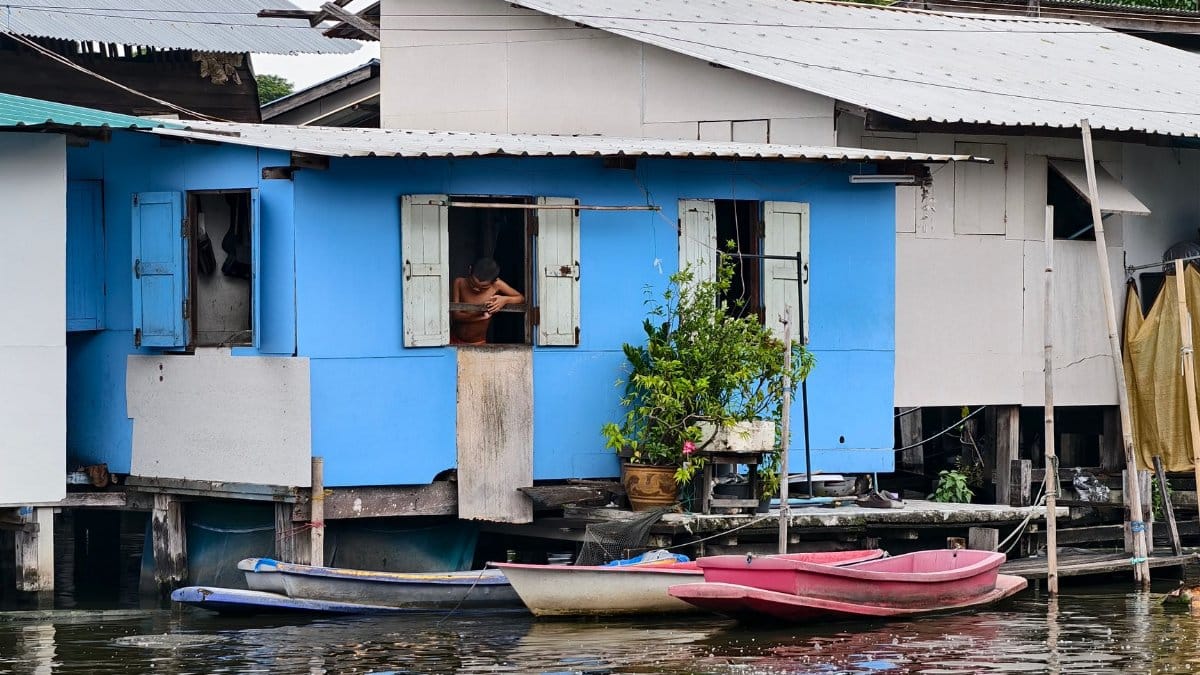
Park staff close sections of beach until clearance arrives. Business owners report brief dips in foot traffic during such closures. Residents express concern that repeated finds could alter the quiet reputation of the islands.
Environmental Factors in Package Recovery

Saltwater exposure often degrades wrapping materials before landfall. Marine life occasionally interacts with floating bundles, which raises separate questions about pollution. Cleanup crews remove all remnants once the area receives approval to reopen.
Cooperation Among Federal and Local Agencies

The Coast Guard shares radar data with county teams when anomalies appear on open water. Joint reviews help identify repeat corridors used by operators. This coordination shortens response times when new packages surface.
Procedures After Collection
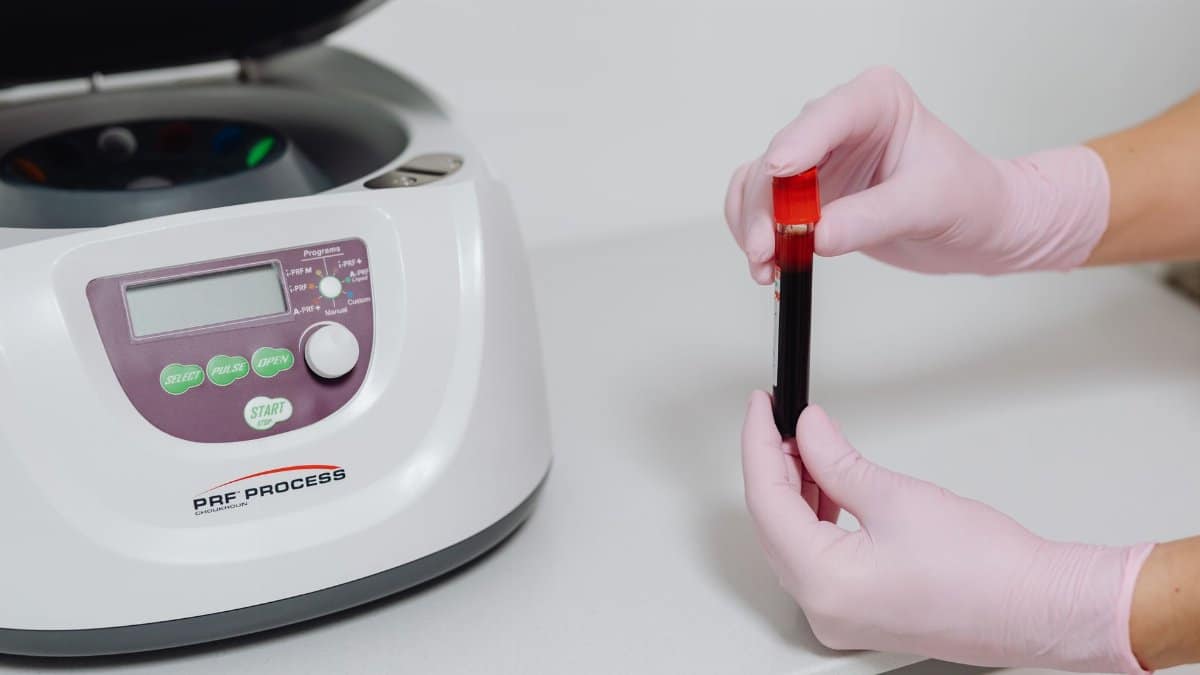
Collected items move to secure storage for chain of custody tracking. Laboratory results determine whether charges follow or if the material undergoes destruction. Public updates remain limited until cases reach a formal stage.
Community Programs on Coastal Safety
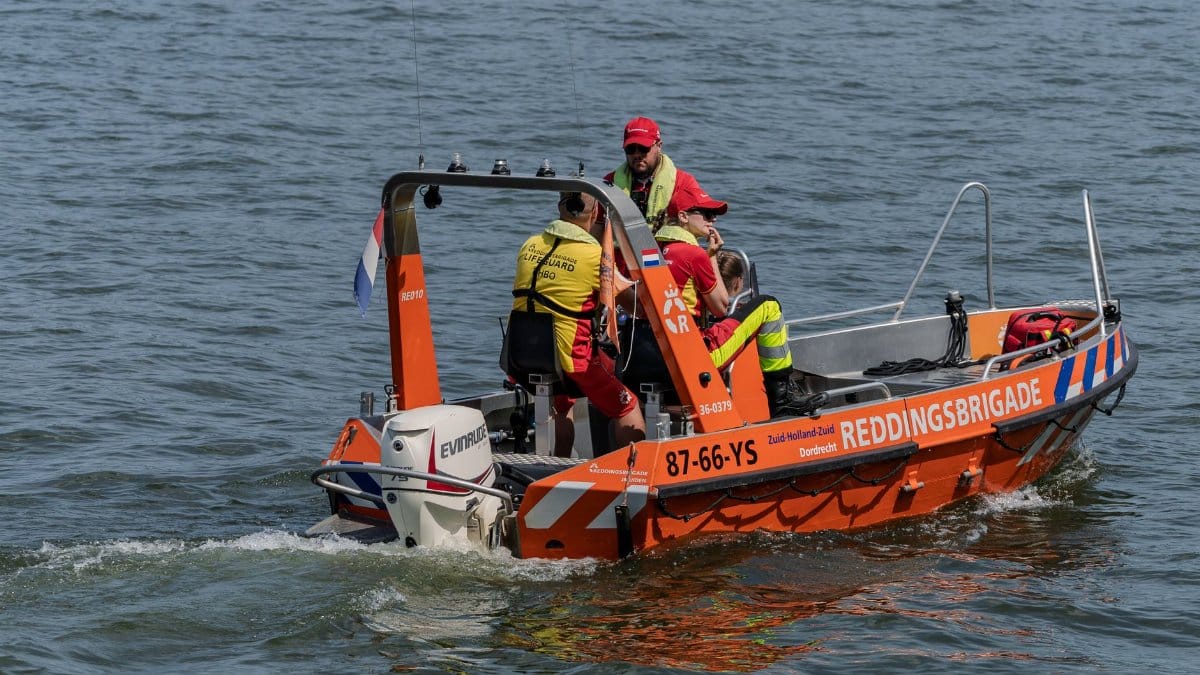
Local groups host sessions that teach residents how to report unusual shoreline objects. These gatherings stress avoidance rather than direct handling. Participation has grown as awareness of marine debris issues spreads.
Outlook for Future Incidents

Agencies continue to refine detection tools and patrol schedules. While complete prevention stays unlikely, improved tracking offers better chances of intercepting loads before they reach shore. Continued vigilance supports both safety and environmental goals across the region. Florida Keys Narcotics Wash Up remains a topic of steady attention among those tasked with protecting the coastline.