
On a humid afternoon west of the suburbs, the argument over a future highway can feel strangely quiet. There is no ribbon and no crane, only a map line that has lived in public meetings for years. The Kendall Parkway project, a proposed extension meant to pull traffic off crowded local roads, is now paused because the bill has climbed past what planners once described to the public. A coming county vote could make the land under that line even more expensive. For drivers stuck near Kendall Drive, the delay is personal. For taxpayers, it is a test of whether ambition still fits the ledger.
A promise that grew heavier than the traffic
For more than a decade, western Miami Dade has been told that one more limited access road could untangle a commute that already feels like a second job. The idea is simple enough to sketch on a napkin. Extend the Dolphin Expressway southwest, cross open land, and give Kendall a faster path toward the urban core. Supporters have called it relief. Critics have called it a subsidy for sprawl dressed up as mobility.
What changed is not the map so much as the arithmetic. According to reporting in the Miami Herald, escalating costs have stalled the work, and a pending county vote may push acquisition expenses higher still. A billion dollar highway is no longer a distant planning figure. It is a political object, heavy enough to stop a room.
Why the pause feels different this time
Highway projects pause all the time. Designs get revised. Lawsuits land. Bond markets twitch. This pause has a sharper edge because it arrives after years of hearings, environmental fights, and assurances that the numbers could be managed. When a project survives that gauntlet and then stops for money, residents hear a different message. The conflict was never only about wetlands or commute times. It was about whether the public was being asked to buy a road whose true price had not yet been spoken aloud.
I have sat in enough county chambers to know the choreography. Staff present a slide. A commissioner asks whether the figure is firm. Someone says the estimate will be refined. Refinement, in this case, has meant a larger bill. The pause is honest in a way the earlier optimism was not.
The vote that could make land dearer
The immediate question before Miami Dade is not whether to pour concrete tomorrow. It is whether rules around buying property for the corridor should change in a way that raises what the public must pay. Acquisition is the unglamorous heart of any new road. Before a lane exists, the government has to own, or control, the ground beneath it. If that ground becomes more expensive by policy, the project does not merely wait. It waits at a higher altitude.
Property owners along a possible alignment have their own calculus. Some have held land through booms and busts. Some see a public purchase as the only clean exit. A vote that increases acquisition costs can look, from one porch, like fairness. From the budget office, it looks like another reason the Kendall Parkway project may never clear the bar it set for itself.
What drivers actually want from the west
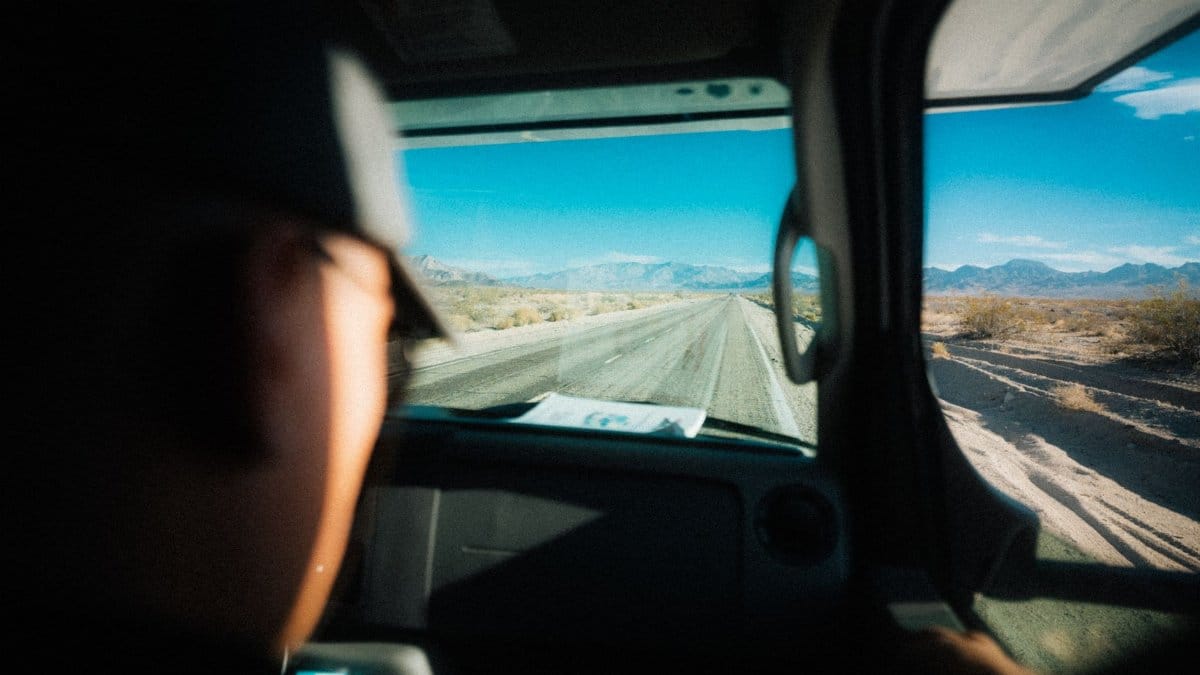
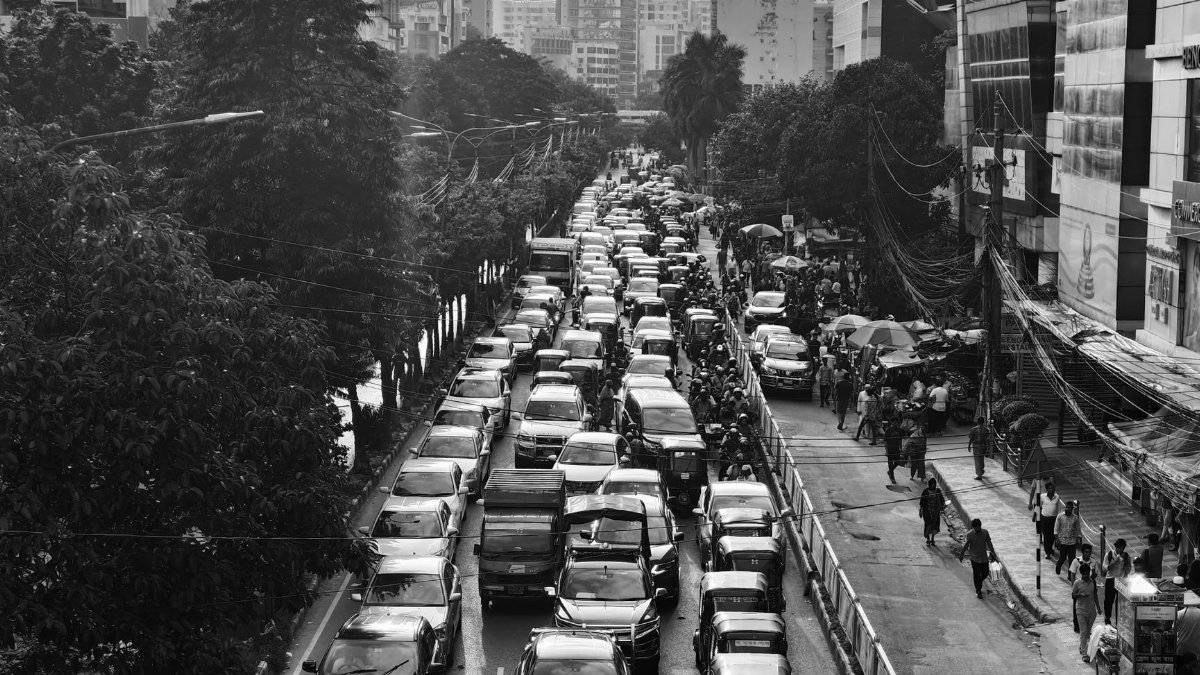
Talk to people who live past the last dense blocks of Kendall and the complaint is rarely abstract. School runs collide with shift changes. A trip that should take twenty minutes takes fifty. Buses are thin. Rail is a rumor that keeps missing the budget. In that vacuum, a new expressway sounds like mercy.
Mercy and capacity are not the same thing. Roads built to outrun congestion have a habit of inviting the next wave of cars. Planners call it induced demand. Residents call it the new subdivision that appeared after the interchange. If the county spends more to acquire land and still cannot say how the finished road will be paid for, maintained, and kept from simply filling up, the west end does not get relief. It gets a more expensive version of the same wait.
Water, wells, and the ground that is not empty

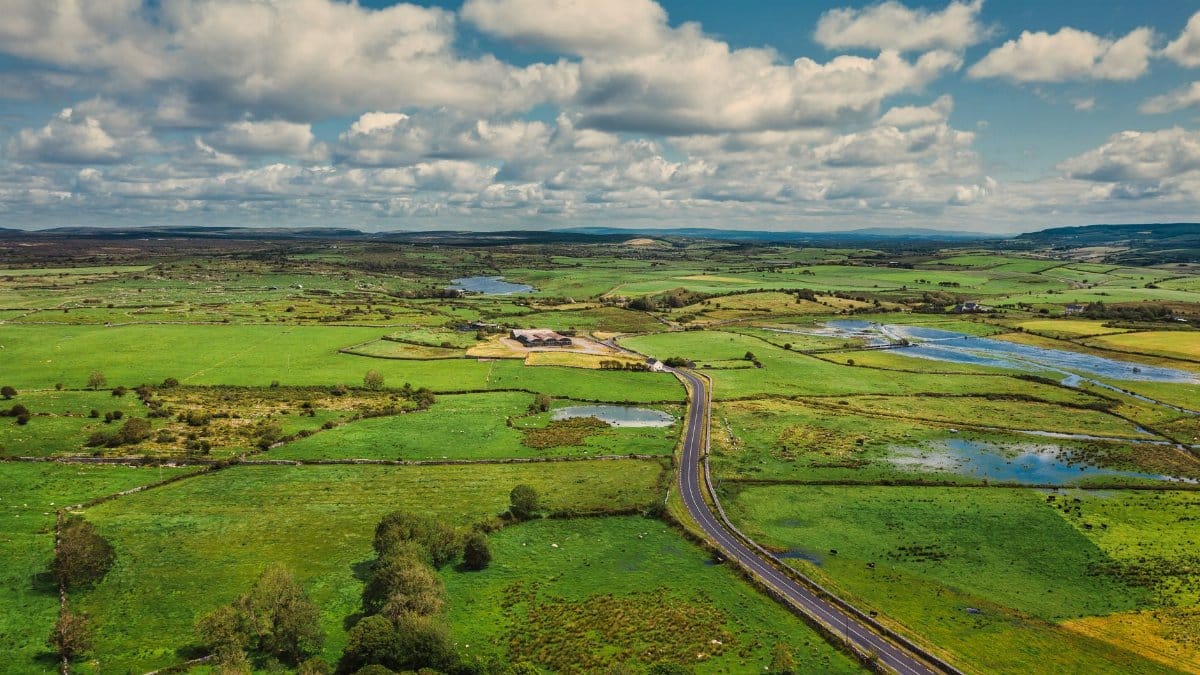
Western Miami Dade is often described as open, which is a developer’s adjective for land that is already working. It recharges drinking water. It sits near well fields that the county has spent decades trying to protect. It is habitat, farmland, and floodplain, sometimes on the same parcel. A highway does not merely cross that landscape. It hardens it.
Environmental opponents have argued for years that the corridor threatens the buffer between suburb and Everglades. Those arguments did not vanish when the price rose. If anything, a costlier project has to justify a larger intrusion. Spending more public money on a road that crosses sensitive ground is not a technical footnote. It is a moral one, about what a growing county owes the system that keeps its taps running.
Who carries the bill when a highway stalls
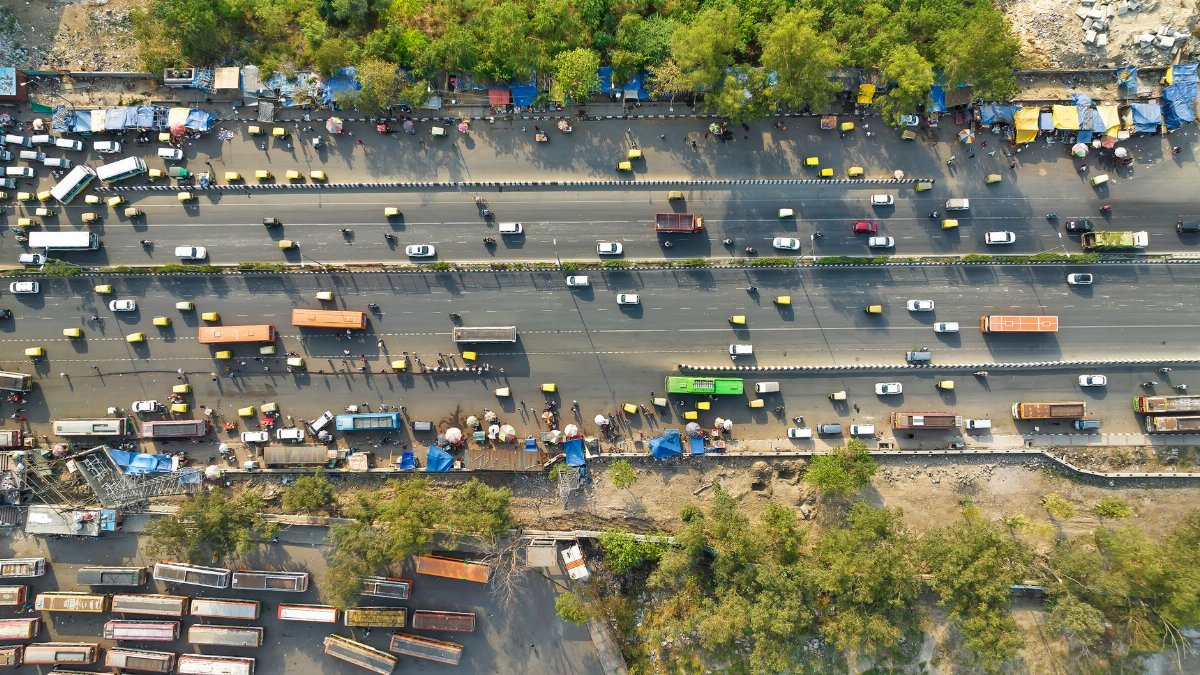
Expressway authorities like to speak as if tolls will tidy the books. Tolls can retire debt, but they do not erase risk. If traffic falls short, if construction inflation keeps climbing, if lawsuits delay opening day, someone still holds the obligation. In Miami Dade, that someone is rarely an abstraction. It is a household that already pays for insurance, rent, and a car that spends too long idling.
A pause can be cheaper than a bad start. It can also be a way of hiding the moment when leaders should say no. Every month of limbo has a cost: staff time, legal fees, options on land, and the quieter cost of telling residents that relief is coming and then not coming. The Kendall Parkway project now sits in that uncomfortable middle, too alive to bury and too expensive to bless.
Neighbors who share a commute and not a conclusion
The politics do not split neatly into drivers and preservationists. Some Kendall residents want the road because their evenings have disappeared into brake lights. Others fear that a new corridor will pull development farther west and leave local streets just as jammed, only with more rooftops behind them. Business groups talk about freight and job access. Civic groups talk about the county’s own growth boundary, a line drawn so that expansion would not be infinite.
A vote on acquisition expenses will not settle that argument. It will reveal which side has the votes to make the argument more expensive for the other. That is how county power often works. Not with a grand rejection, but with a rule change that makes yesterday’s plan unaffordable.
Inflation as a political fact
Construction costs did not rise in a vacuum. Steel, labor, insurance, and the price of borrowing all moved after the pandemic, and highway bids across the country came back higher than the estimates sitting in old binders. Miami Dade is not unique in discovering that a pre pandemic highway is a different creature now. What is local is the habit of treating those old estimates as a promise rather than a snapshot.
If commissioners add acquisition costs on top of that inflation, they are not trimming a project. They are testing whether the public still consents to it. Consent given to a cheaper road is not consent to a dearer one. That distinction matters in a county where trust in big transportation schemes has already been spent down by delays, toll anger, and plans that seemed to migrate from map to map without ever arriving.
The questions a pause should force into the open

A responsible pause would do more than wait for a friendlier bond market. It would publish a current cost range, not a single heroic number. It would say which parcels drive the acquisition bill and why a new rule would change that bill. It would compare the road with quieter investments that do not require a new corridor: better bus frequency on existing streets, safer intersections, and fixes at the bottlenecks people already know by name.
It would also admit what the western edge can hold. If the county intends to protect well fields and a growth boundary, a highway that depends on cheap land west of the suburbs is a contradiction with a price tag. Naming that contradiction is more useful than another rendering of an empty roadway at dusk.
What pricier would actually mean

Making the Kendall Parkway project pricier does not automatically kill it. Some projects survive by becoming toll roads with longer debt, or by shrinking to a first phase that looks modest until the next phase appears. Others survive because a legislative fix moves money from somewhere else. Pricier can mean delayed. It can also mean disguised, with costs shifted onto drivers who have no real alternative.
The more honest outcome would be a clear fork. Either the county shows a finance plan that still makes sense after higher land costs, or it stops treating the corridor as inevitable. Inevitability is how expensive ideas avoid competition. Once a line is drawn as destiny, every alternative looks like a detour.
A county that keeps choosing the long road
Miami Dade has never lacked for transportation ambition. It has lacked for follow through that matches the climate, the water, and the daily lives of people who cannot expense a toll. The stalled parkway is a chance to practice a rarer skill: stopping. Not forever, and not as theater, but long enough to ask whether the next billion should buy asphalt in the west or time back for people already living here.
Commissioners can vote to raise acquisition expenses and call it prudence for landowners. They can vote to hold the line and call it prudence for the treasury. What they cannot honestly do is pretend the pause is a technical intermission in a story whose ending is already written. The Kendall Parkway project is paused because the price outran the pitch. If the next vote makes that price higher, the public deserves to hear the new pitch in full, before anyone is asked to pay for a road that still exists mostly as a line on a map.