

In the bustling halls of the Texas Capitol, whispers of discord have begun to echo louder than ever among longtime party loyalists. Attorney General Ken Paxton finds himself at odds with key figures who once stood firmly by his side. These frictions, embodied in what observers call Ken Paxton Republicans, suggest a rift that extends beyond personal grievances into the broader machinery of state governance. As Paxton eyes a potential run for higher office, the implications stretch across primary contests and general elections alike. Observers note that such internal strains rarely resolve without leaving lasting marks on voter turnout and donor enthusiasm.
Roots of the Current Divide

Paxton has long navigated a landscape where loyalty to conservative principles defines success. Yet recent policy disagreements have tested those bonds. Issues ranging from election integrity measures to regulatory approaches have created space for criticism from within the party. Supporters describe him as a steadfast defender against overreach from Washington. Detractors within Republican circles argue that his approach risks alienating moderates needed for statewide victories.
Impact on Senate Aspirations

A bid for the United States Senate would require broad coalition building. Paxton faces questions about whether fractured relationships can be mended in time. Party operatives point to past primaries where unified support proved decisive. Without it, fundraising and grassroots mobilization could suffer. The result might be a more contested path than anticipated just a year ago.
Donor Networks Under Pressure

Financial backing often signals strength in Texas campaigns. Several prominent contributors have signaled hesitation amid the ongoing tensions. This shift matters because modern races rely on early money to secure advertising slots and staff. Paxton allies counter that core donors remain committed to his record of legal challenges against federal mandates. Still, the uncertainty introduces new variables into planning sessions.
Voter Base Reactions Across Regions

Polling in key suburban districts shows mixed signals. Rural strongholds continue to back Paxton strongly. Urban and suburban areas, however, reflect growing concern over party infighting. These patterns matter because recent elections have shown that margins in growing metro areas can determine outcomes. Campaign teams are studying these trends closely to adjust messaging.
Historical Precedents in Texas Politics
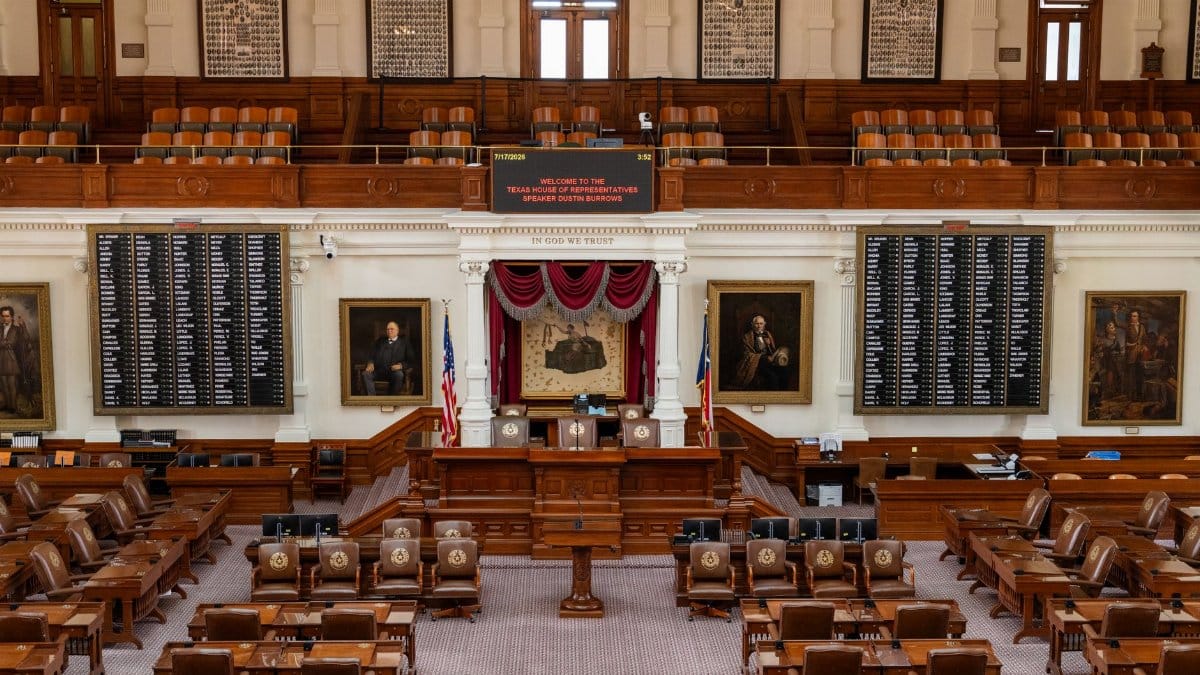
Texas has seen similar episodes where prominent officeholders clashed with party elements. In each case, the ability to repair ties determined long term viability. Past figures who mended fences quickly often returned to prominence. Those who did not found their influence diminished over successive cycles. Current dynamics echo those earlier moments without identical circumstances.
Role of Media Coverage in Amplifying Tensions
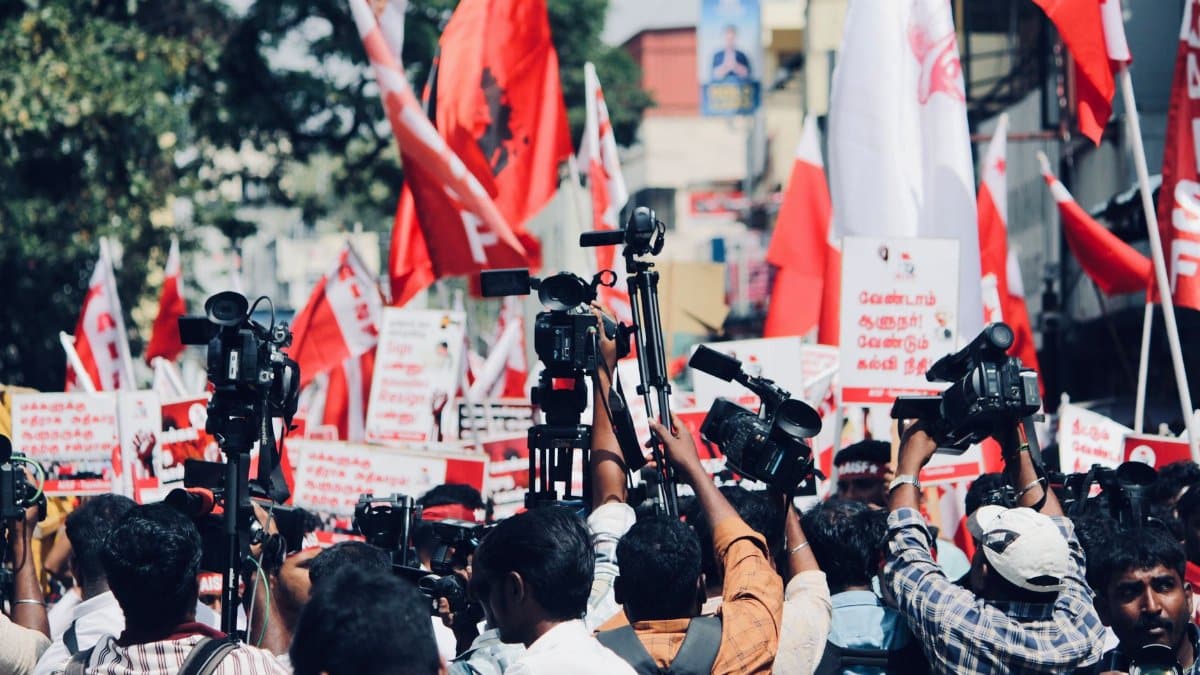
National and local outlets have devoted significant attention to the story. This focus can magnify perceptions of disunity even when underlying disagreements remain limited. Paxton strategists work to frame coverage as overblown. Opponents within the party use the same attention to underscore their concerns. The interplay shapes public understanding in real time.
Potential Paths Toward Reconciliation

Behind the scenes conversations continue in Austin and Dallas. Some suggest joint appearances or shared policy initiatives could ease strains. Others believe time and electoral pressure will force cooperation. Success depends on willingness from all sides to prioritize general election prospects over individual grievances. Observers remain cautious about predicting outcomes.
Broader Implications for State Governance
Divisions at the top can slow legislative progress on shared priorities. Budget negotiations and regulatory reforms require cooperation across factions. When energy diverts to internal disputes, forward movement stalls. Voters ultimately bear the consequences through delayed initiatives or compromised solutions. This reality adds urgency to efforts at resolution.