
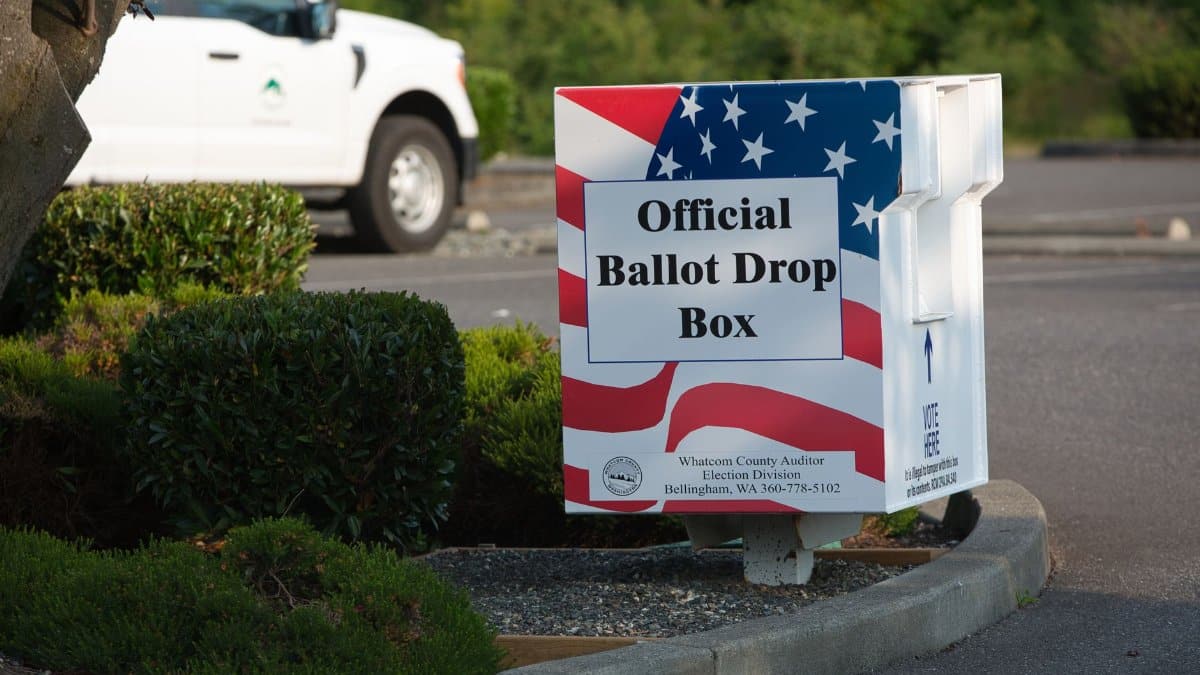
Voters across Maricopa County turned out in notable numbers this summer to shape the makeup of local courts that touch daily life in direct ways. Five seats for justice of the peace drew multiple candidates and lively discussion about how these positions serve residents in matters both routine and weighty. The outcomes will guide how minor disputes, traffic violations, and early stages of more serious cases move through the system in a region that continues to grow at a steady pace.
Origins of the Justice Role in American Communities
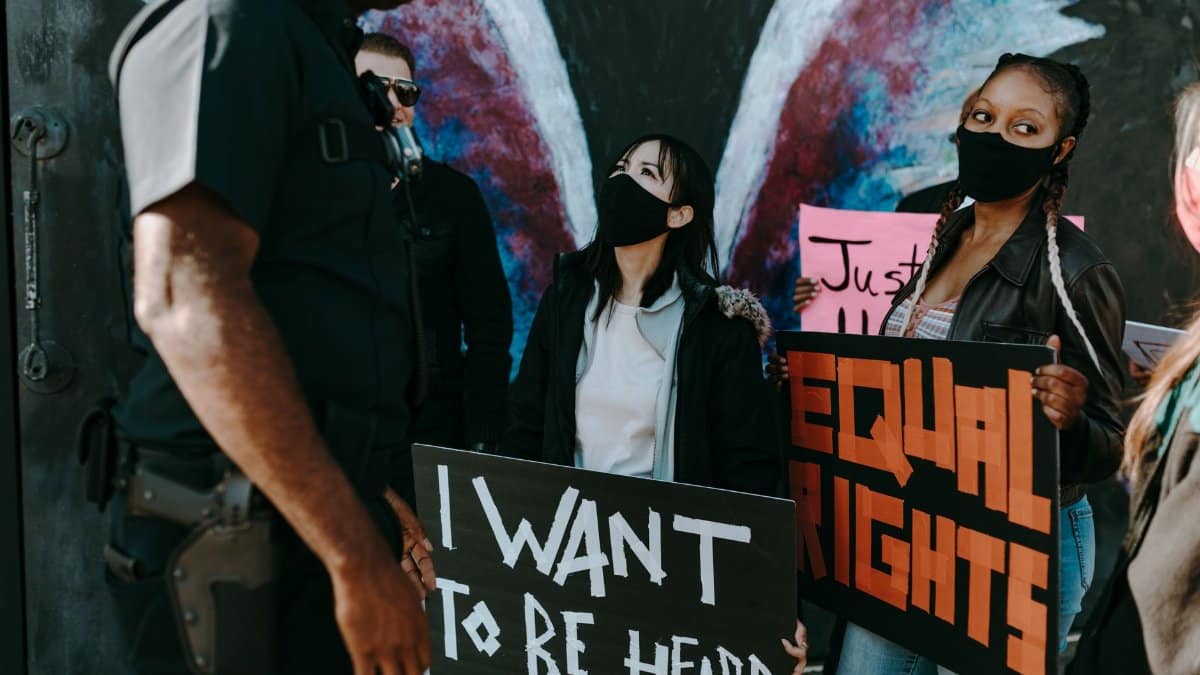
The position traces back to early English common law traditions that traveled to the colonies and took root in frontier territories. In Arizona the office evolved to meet the needs of expanding towns where residents required accessible forums for settling disagreements without traveling long distances to higher courts. Over decades these officials became fixtures in rural and suburban precincts alike, offering a practical layer of adjudication that emphasizes resolution close to home.
How Contested Races Unfolded This Cycle
Five precincts presented voters with choices among candidates who brought varied professional backgrounds to the campaign trail. Some had served as prosecutors or defense attorneys while others came from private practice or local government roles. Public forums allowed each contender to outline priorities such as case management efficiency and community outreach, giving residents a clearer picture of differing approaches to the bench.
Everyday Cases That Shape Public Trust

Justice of the peace dockets often include landlord tenant conflicts, small business disagreements, and protective orders. The manner in which these matters receive attention can influence how citizens view the broader legal system. Fair hearings at this level frequently set the tone for whether people feel heard when they first interact with judicial processes.
Demographic Shifts and Courtroom Demands

Population growth in Maricopa County has increased the volume of filings while also diversifying the backgrounds of those appearing before the bench. Officials must navigate language needs, cultural expectations, and varying levels of familiarity with court procedures. Candidates discussed training initiatives and procedural adjustments that could help maintain consistent service across changing communities.
Links Between Local Courts and Civic Engagement

Low profile judicial contests sometimes receive less media focus than statewide races, yet they connect directly to neighborhood concerns. When voters learn about the scope of authority held by justice of the peace positions, turnout in those contests tends to rise. Community organizations played a visible part this year by distributing information sheets that explained filing procedures and hearing formats.
Challenges in Maintaining Impartial Service

Balancing heavy caseloads with the requirement for careful review remains an ongoing task for any judicial officer. Candidates addressed questions about technology upgrades that could speed routine matters while preserving time for cases requiring deeper consideration. Discussions also touched on ways to reduce delays that affect both plaintiffs and defendants who rely on timely resolutions.
Future Outlook for Precinct Level Adjudication
As the county continues to expand, the justice of the peace system will likely face calls for additional seats or adjusted boundaries to keep pace with new development. Lawmakers and court administrators have begun reviewing data on filing trends to determine whether structural changes could improve access without compromising the personal scale that defines these courts. Public input sessions are expected to continue into the fall.