
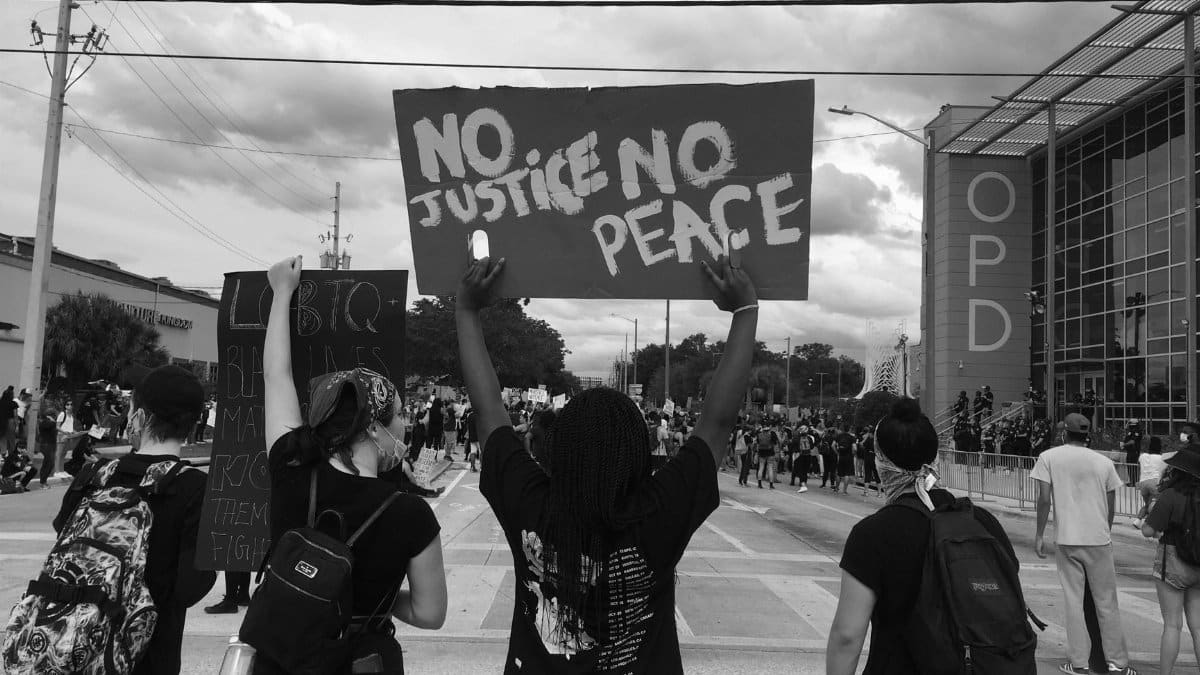
In a federal courtroom in South Florida a judge examined the actions of administrators at a public university after a group of students chose silence as their form of expression. The young people stood quietly during a campus gathering that featured immigration officials. Their presence drew attention from staff members who later moved to impose sanctions. The decision that followed focused on the FIU First Amendment and whether institutional rules had crossed into protected territory. Observers noted that such cases often test the balance between order on campus and the ability to convey dissent without words. The outcome offered a temporary shield to the students while leaving room for further arguments from both sides.
Details Behind the Campus Gathering

The event took place indoors at Florida International University and centered on discussions about immigration enforcement. Students arrived with signs that remained covered and refrained from any spoken remarks. University personnel viewed the approach as disruptive to the scheduled program. Records show that officials later notified the participants of potential disciplinary measures including warnings or suspension. The judge reviewed affidavits and video footage to assess whether the response aligned with established protections for expression.
Reasoning in the Judicial Decision

The court found that the university appeared to have acted against the students based on the content of their views rather than any actual interference with the event. Evidence presented indicated no raised voices or blocked pathways. The ruling emphasized that silent protest carries the same safeguards as more vocal forms of speech under constitutional standards. University lawyers argued for deference to campus policies on event management yet the judge saw insufficient justification for the proposed penalties at this stage.
Historical Patterns of Expression at FIU

Public universities in Florida have seen various forms of student activism over recent decades. Past instances involved outdoor rallies or petitions regarding tuition costs and curriculum choices. The current matter stands out because it occurred in a contained indoor setting and relied on nonverbal means. Administrators have cited safety and decorum rules in similar situations though courts have sometimes required narrower application of those guidelines to avoid overreach.
Position of Immigration Authorities
Officials from the relevant federal agency attended the gathering to share information on enforcement practices. Their presence prompted the student response though the agency itself took no direct part in the disciplinary process. The protest did not target individual speakers or prevent the distribution of materials. This distinction proved relevant in the arguments over whether the demonstration crossed into unprotected conduct.
Broader Questions on Campus Policies
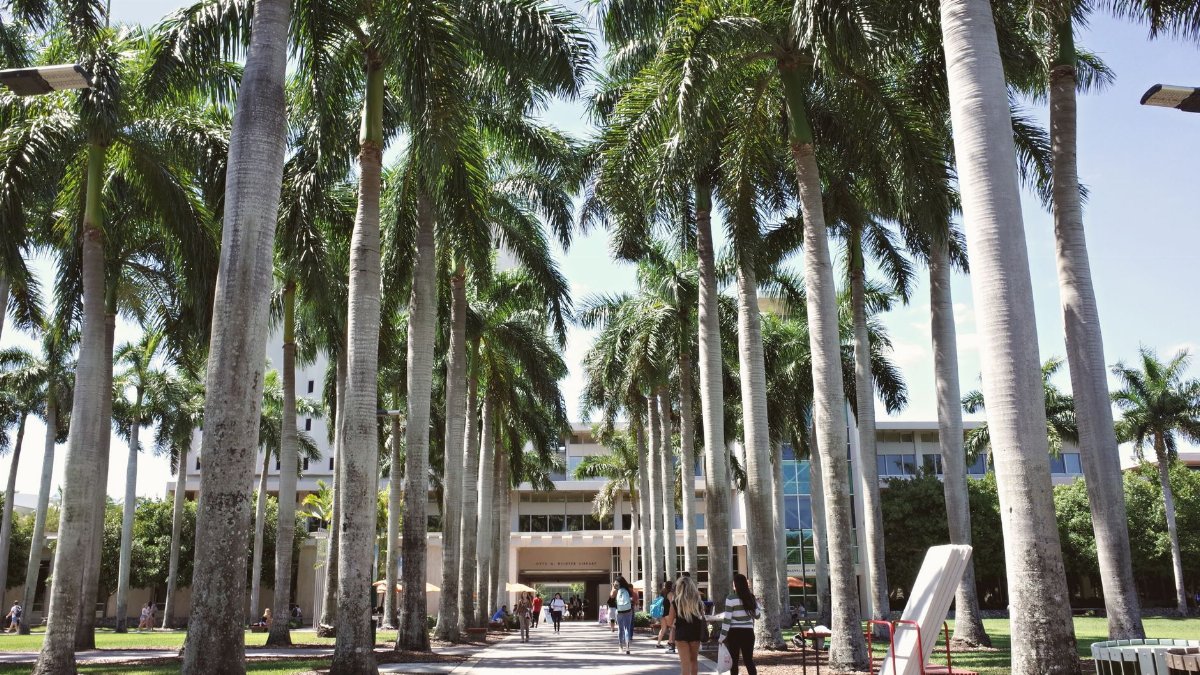
Many institutions maintain codes that regulate time place and manner of gatherings to ensure academic functions continue uninterrupted. The FIU First Amendment concerns arise when those codes are applied in ways that single out particular messages. Legal experts suggest that training for staff on these distinctions could reduce future conflicts. The current case may prompt reviews of existing procedures at FIU and comparable schools across the state.
Reactions from Students and Faculty

Participants in the demonstration described their choice of silence as a deliberate effort to highlight concerns without escalating tensions. Some faculty members expressed support for the judge decision as a reminder of core principles. Others on campus noted the need for clear communication between administration and student groups to prevent misunderstandings. The matter continues to generate discussion in classrooms and online forums tied to the university community.
Potential Next Steps in the Case

The ruling grants a preliminary injunction that prevents enforcement of the threatened sanctions while the lawsuit proceeds. Both parties may present additional evidence in coming months. Settlement discussions remain possible though the students have indicated a desire to secure a lasting precedent. Appeals could extend the timeline and bring the issues before higher courts for further clarification on public university obligations.
Effects on Similar Situations Nationwide

Cases involving expression at state funded colleges often influence policies beyond the immediate parties. Administrators at other institutions may examine the FIU First Amendment analysis when updating their own event guidelines. Student organizations could gain confidence in exploring quiet forms of demonstration. At the same time universities retain authority to address genuine disruptions provided the standards remain content neutral and applied evenly.