

The bustling neighborhood of Lower Greenville in Dallas has witnessed many shifts in its dining scene over recent years. Patrons who once gathered for lively meals now face the reality that Manpuku closes after a solid run of interactive Japanese barbecue. This development prompts thoughts on how such spots shape daily routines and social bonds in urban settings. The venue provided a hands on way to cook and share food which appealed to a wide range of locals seeking something beyond standard restaurant service.
Neighborhood Evolution and Dining Shifts

Lower Greenville has transformed from a quiet stretch into a lively corridor filled with varied eateries. As new establishments arrive older ones depart creating a cycle that mirrors broader patterns in city life. Residents often note how these changes influence evening plans and weekend gatherings. The closure fits into this ongoing adjustment where spaces once dedicated to specific cuisines give way to fresh concepts.
Interactive Meals and Social Connections
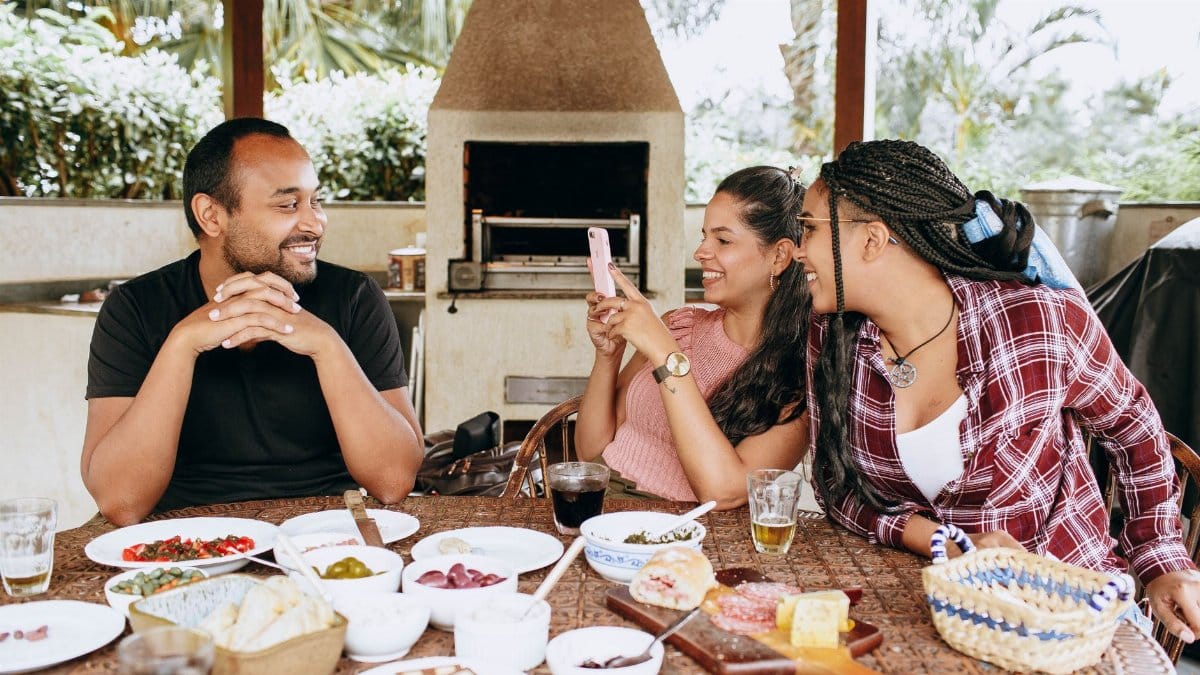
Many middle aged diners recall evenings spent around grills where conversation flowed as freely as the food cooked on the table. Such formats encouraged participation from all ages fostering a sense of shared activity rather than passive consumption. Families appreciated the opportunity to engage children in the process while friends used the setting for relaxed catch ups. This approach stood apart from typical seated service and built lasting memories for regular visitors.
Reflections on Transience in Local Spots
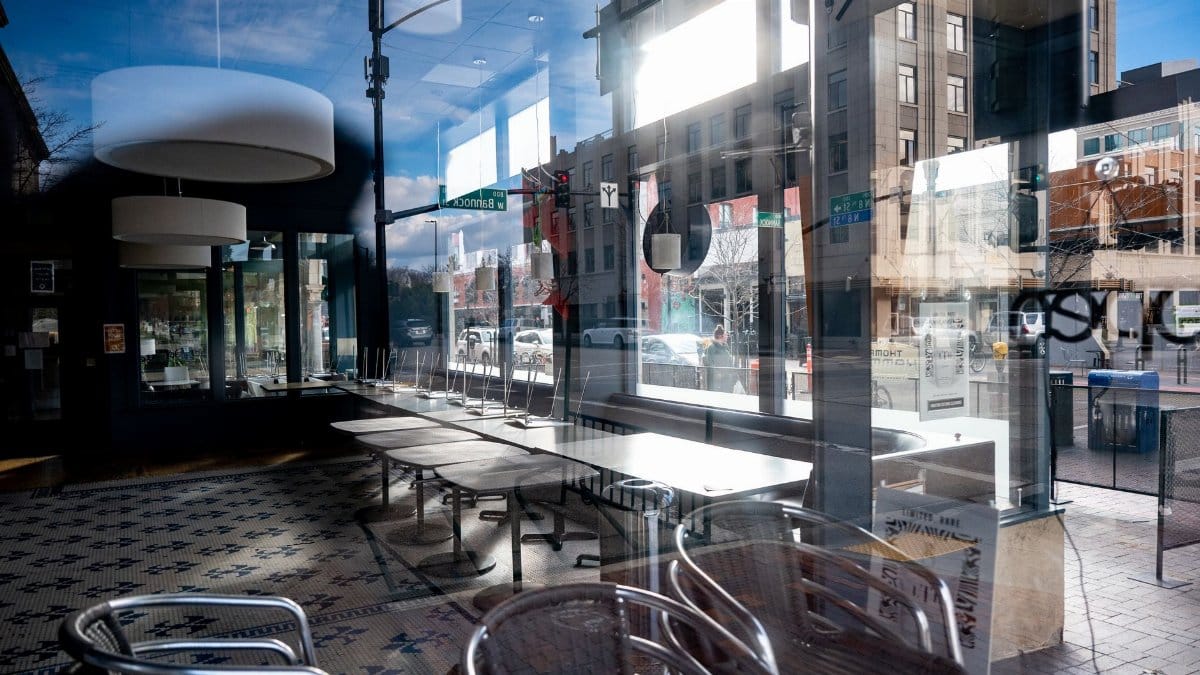
Places like this one highlight the temporary quality of commercial ventures in competitive markets. Owners face rising costs and shifting preferences that can shorten even successful runs. Patrons who formed attachments to particular menus or atmospheres find themselves adjusting to absences in their routines. These moments invite contemplation about what endures amid constant urban flux.
Broader Trends in Japanese Cuisine Offerings

Japanese barbecue has gained attention across American cities for its blend of tradition and participation. Venues offering yakiniku style dining attract those interested in authentic preparation methods adapted for group settings. In Dallas the presence of such options added diversity to an already rich food landscape. The departure of one player leaves room for others to explore similar formats or innovate further.
Impact on Regular Patrons and Routines

Longtime customers describe a sense of loss when favorite locations shutter their doors. Weekly visits for certain dishes or the ambiance they provided become part of personal rhythms. Finding replacements involves trial and error as new places may not replicate the exact experience. This adjustment period often leads to rediscovery of nearby alternatives or home cooking experiments inspired by past meals.
Owner Perspectives on Business Decisions

Those behind such operations weigh multiple factors before concluding a chapter. Market conditions staff availability and lease terms all play roles in timing. The choice to step away after five years suggests a deliberate assessment rather than abrupt failure. Many in the industry view these endings as opportunities to pursue different paths or recharge for future endeavors.
Community Responses to Changing Food Scenes

Local discussions online and in person reveal mixed feelings about the news. Some express gratitude for the years of service while others speculate on what might occupy the space next. Neighborhood associations sometimes use such events to advocate for balanced development that preserves character. These conversations strengthen ties among residents who care about their shared environment.
Looking Ahead to Future Gatherings

Though one door closes the spirit of communal dining persists in other forms throughout the area. New openings or revamped concepts may fill voids while honoring elements that worked well before. Diners continue to seek experiences that combine good food with meaningful interaction. This ongoing search ensures the food scene remains dynamic and responsive to evolving tastes.