
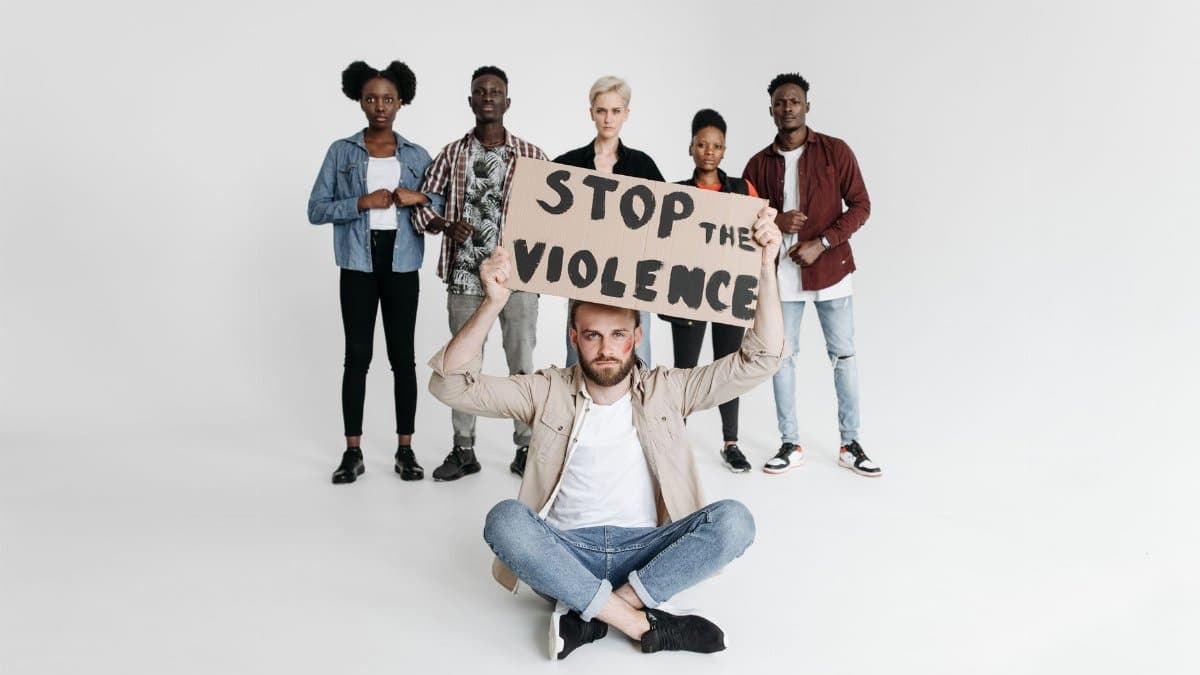
The story of communities torn apart by sudden outbreaks of fighting often leaves observers wondering how any path forward can emerge. In places where neighbors once shared daily routines, the scars from group attacks linger in memory and daily life. Forgiveness After Violence surfaces as one concept that researchers and survivors alike examine when seeking to rebuild what was lost. Recent reflections from psychologists point toward gradual processes rather than sudden turns. These efforts draw on both personal resolve and wider social support to ease tensions that might otherwise persist across generations.
Examining Historical Patterns of Division

Throughout time societies have faced outbreaks where one group targets another based on identity or belief. Records show that without deliberate steps toward understanding the other side such episodes tend to repeat. Observers note that acknowledgment of past harms forms a starting point though it rarely suffices on its own. Broader efforts involve education programs that present multiple viewpoints to younger members of affected areas.
Psychological Barriers to Moving Past Harm
Individuals who witness or endure violence often carry deep seated fears that shape their responses to former adversaries. Studies indicate that trauma alters how people interpret neutral actions from the opposing group leading to cycles of suspicion. Professional support through counseling can help reframe these reactions yet access remains uneven across regions. Personal stories reveal that some find relief only after extended periods of reflection away from immediate reminders.
Role of Community Leaders in Facilitating Dialogue
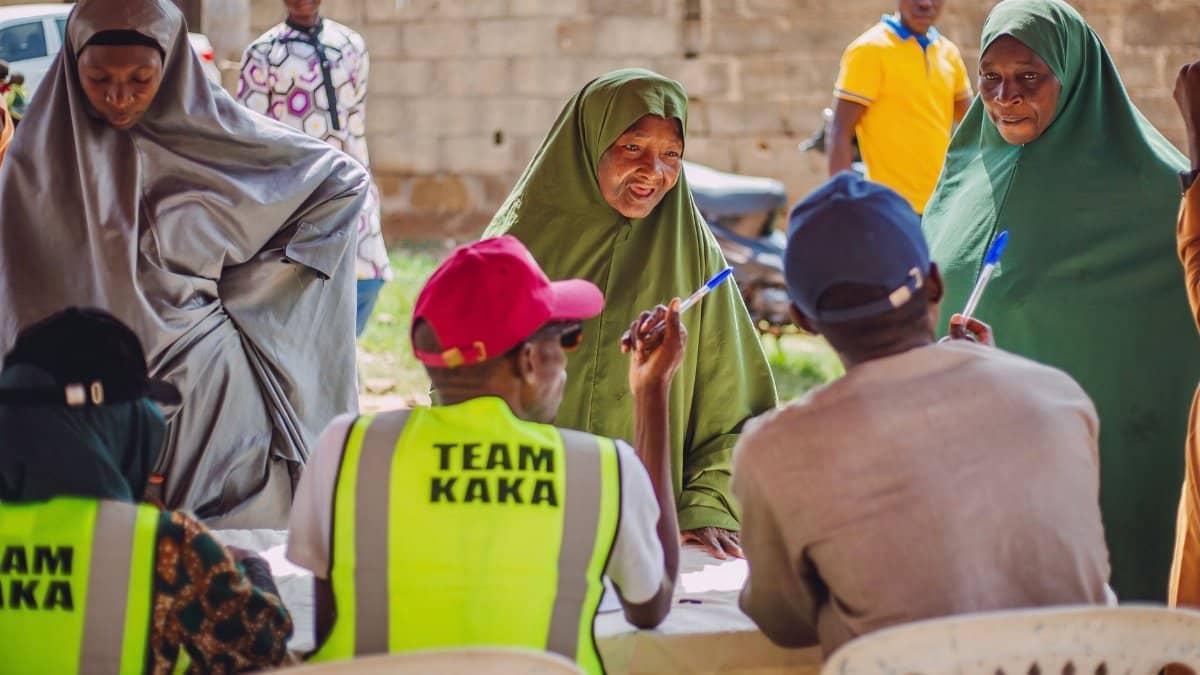
Figures who hold influence in divided settings can either prolong rifts or open channels for exchange. Effective approaches include structured meetings where participants share accounts without interruption. Such gatherings require neutral facilitation to prevent escalation. Outcomes vary yet consistent participation has led some groups to identify shared goals like economic recovery that transcend old grievances.
Insights from Research on Reconciliation Processes
Investigations into group dynamics after conflict highlight factors that support gradual acceptance. One analysis available at https://greatergood.berkeley.edu/article/item/is_there_hope_for_forgiveness_after_political_violence explores how collective narratives shift when official accounts incorporate diverse experiences. Participants in these studies report reduced hostility when exposed to evidence of mutual suffering. The work underscores that external pressures alone rarely produce lasting change.
Personal Accounts of Gradual Acceptance
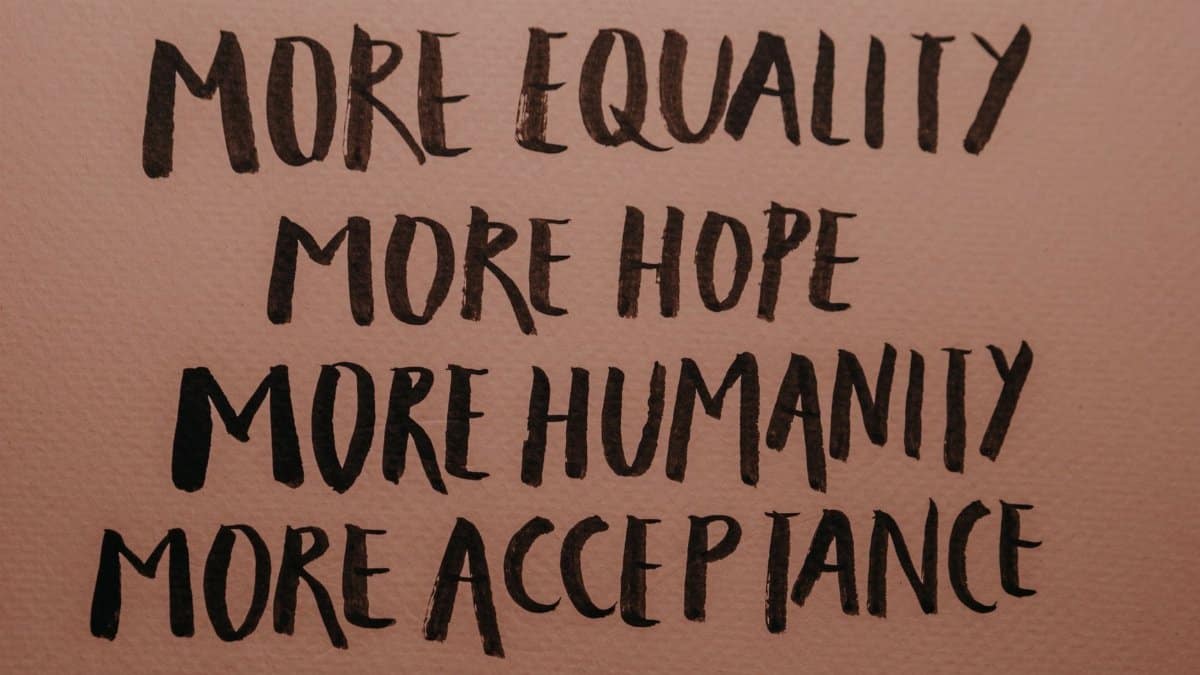
Survivors sometimes describe moments when they recognize the humanity in those once seen only as threats. These instances arise during joint projects such as rebuilding infrastructure damaged in earlier clashes. Family members may resist at first yet over time exposure to cooperative tasks softens positions. Such accounts emphasize individual choice within larger frameworks of support.
Influence of Media on Public Perceptions

News coverage shapes how populations view ongoing tensions and potential resolutions. Balanced reporting that includes voices from all sides can counter stereotypes that fuel further discord. In contrast selective emphasis on past atrocities without context tends to harden attitudes. Responsible outlets focus on constructive developments to encourage measured responses among readers.
Educational Initiatives for Younger Generations

Schools in recovering regions incorporate lessons on conflict resolution drawn from multiple cultural traditions. These programs aim to equip students with tools to question inherited animosities. Interactive methods such as role playing historical events from alternate perspectives foster empathy. Long term tracking shows participants often engage more readily in cross group activities as adults.
Challenges in Measuring Progress Toward Healing

Quantifying shifts in attitude after widespread violence presents difficulties for analysts. Surveys capture snapshots yet fail to reflect daily interactions that reveal true change. Qualitative interviews provide richer detail though they demand careful interpretation to avoid bias. Combined approaches yield clearer pictures of whether Forgiveness After Violence takes root in practice.
Future Directions for Policy and Support

Governments and organizations continue to test frameworks that encourage acknowledgment alongside practical aid. Successful models integrate mental health resources with opportunities for economic collaboration. Observers stress the need for sustained commitment rather than short term interventions. Continued examination of these efforts offers guidance for regions still navigating similar divides.