

In the fast paced environment of major league baseball, front offices must weigh short term roster fixes against the long term value of young talent. Recent activity at the trading deadline brought renewed attention to one particular deal involving a highly regarded infielder. The Marcelo Mayer trade sent the Boston Red Sox prospect to the San Francisco Giants in exchange for left handed reliever Erik Miller, prompting observers to consider how such exchanges shape both clubs moving forward.
Origins of the Negotiations

Discussions between the two organizations began weeks before the deadline as each side identified clear areas of need. Boston sought additional depth in its relief corps while San Francisco looked to strengthen its infield pipeline. Conversations remained private until the final hours when the sides agreed on terms that addressed those priorities directly.
Player Profiles Involved

Marcelo Mayer had been viewed as a cornerstone prospect with strong defensive skills and a disciplined approach at the plate. Erik Miller brought experience in high leverage situations and a track record of limiting hard contact from right handed hitters. Both players carried expectations shaped by prior performances in their respective systems.
Team Strategies at the Deadline

The Red Sox focused on immediate bullpen reinforcement to support their rotation during the stretch run. Meanwhile the Giants aimed to add position player depth that could contribute at multiple levels over the coming seasons. Each front office evaluated internal options before pursuing external additions through trades.
Reactions from Club Officials

Executives from Boston emphasized that the move did not reflect any concerns about the players character or commitment. San Francisco leaders expressed confidence that the incoming talent would integrate smoothly into their development plans. Public statements avoided speculation and instead highlighted the mutual benefits of the agreement.
Impact on Minor League Systems
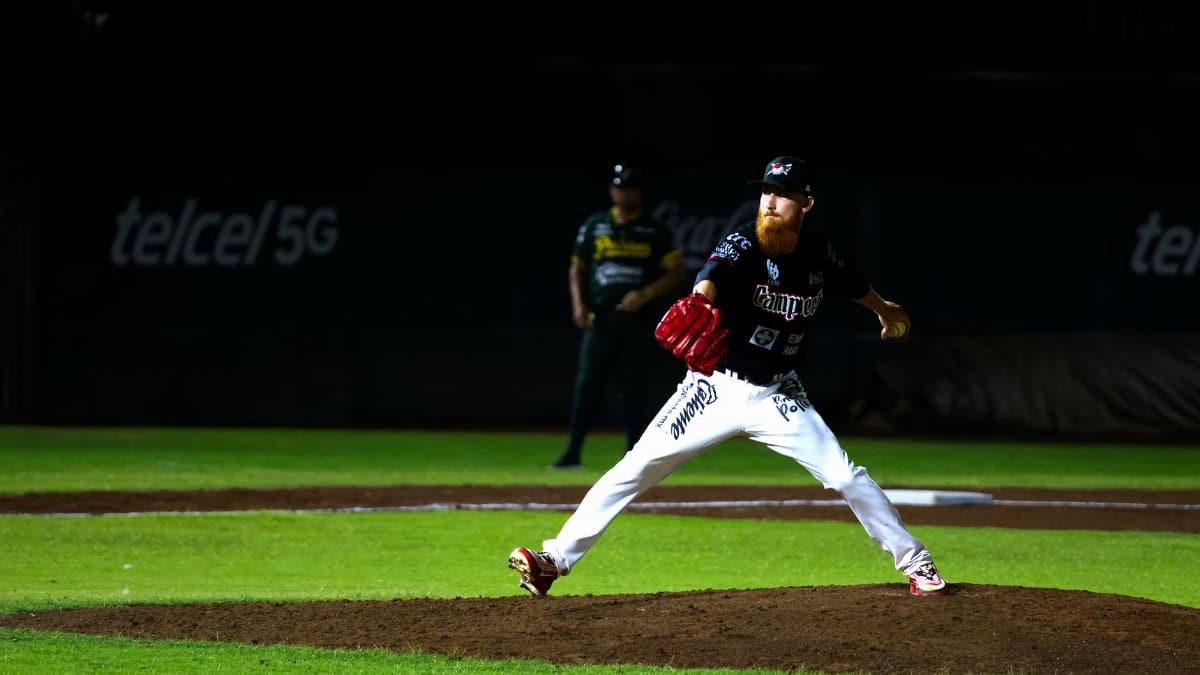
The trade altered the composition of both organizations farm systems by shifting a top position prospect for a specialized pitcher. Boston gained a ready made option for its major league staff while San Francisco received a player capable of filling gaps at shortstop and third base. Such shifts often influence how teams allocate resources in subsequent drafts and international signings.
Historical Precedents for Similar Deals

Throughout baseball history clubs have exchanged young position players for established relievers when roster gaps demanded quick solutions. These transactions frequently reflect differing timelines for contention windows. Past examples show mixed results with some prospects thriving in new environments and others facing adjustment challenges.
Broader Market Trends

Recent trading periods have seen an increase in deals involving controllable talent rather than pending free agents. Teams appear more willing to part with high ceiling prospects when they can secure immediate contributors. This pattern suggests a growing emphasis on balancing present competitiveness with future flexibility.
Future Outlook for Both Sides

Boston will monitor how its new reliever performs in late inning roles throughout the remainder of the season. San Francisco plans to ease the incoming infielder into everyday opportunities while providing necessary support. Observers expect continued evaluation of the trade effects well into the next campaign.
Industry Wide Implications

Other organizations have taken note of the exchange as they prepare their own deadline strategies. The deal underscores the value placed on specialized pitching talent amid evolving offensive environments. It also highlights the ongoing challenge of projecting how prospects will translate to the highest level of competition.