

In recent weeks higher education observers have watched with concern as Illinois Institute of Technology moved to trim its workforce amid mounting budget pressures. The institution announced the elimination of more than one hundred faculty and staff roles effective in early August, an action that has drawn attention to broader challenges facing private universities. This development, described by some administrators as a necessary response to enrollment shifts and rising operational costs, has come to be referred to publicly as IIT layoffs. The quiet nature of the announcement has left many wondering how such changes will affect teaching quality and campus life over the coming years.
Enrollment Patterns Driving Institutional Choices
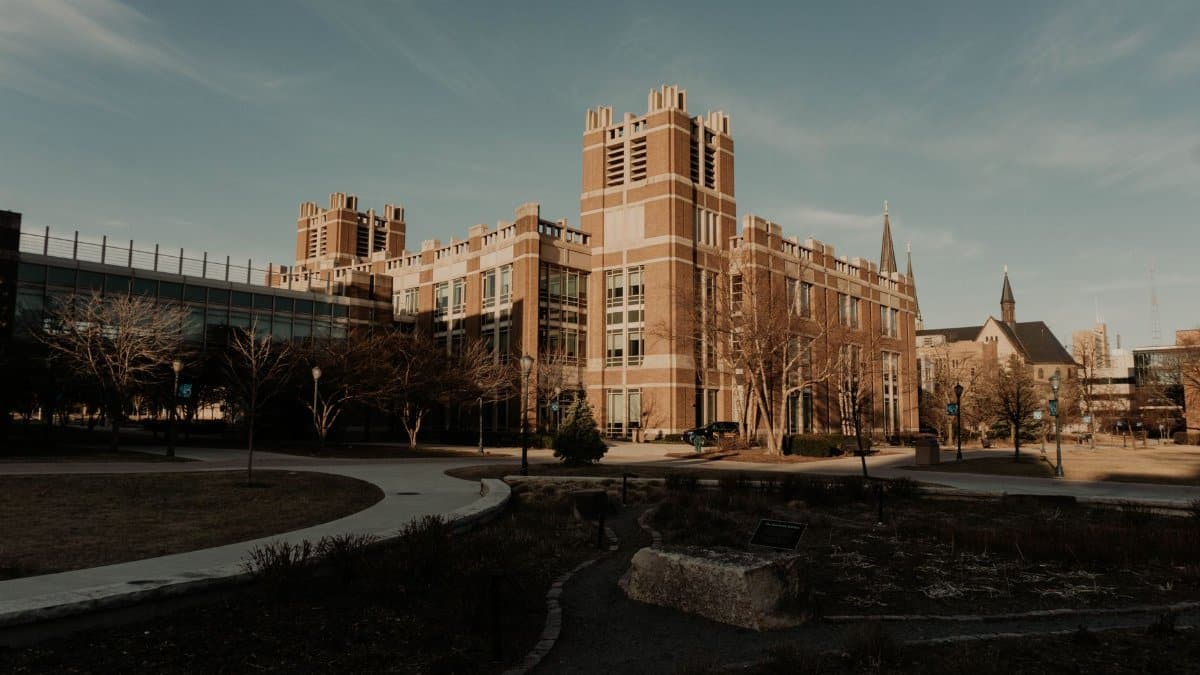
Private universities across the Midwest have reported uneven student numbers in the past several cycles. At Illinois Institute of Technology the decline in applications for certain engineering and science programs contributed to revenue shortfalls that could not be offset by other departments. Officials pointed to demographic changes in the college age population as one factor, noting that fewer high school graduates are choosing four year institutions in the region.
Internal Reviews That Preceded the Reductions

Before the positions were cut the university conducted a series of internal audits focused on administrative overhead and program viability. These reviews identified areas where consolidation could occur without immediate disruption to core classes. Faculty committees participated in some discussions yet expressed surprise at the final scale of the IIT layoffs once the numbers were released.
Impact on Classroom Instruction and Research

With more than one hundred roles eliminated the remaining instructors face larger course loads and fewer research assistants. Departments that rely on laboratory work or specialized seminars have had to adjust schedules and in some cases postpone projects. Students report concerns about access to advisors while graduate programs worry about continuity in grant funded work.
Reactions from Faculty Organizations and Unions
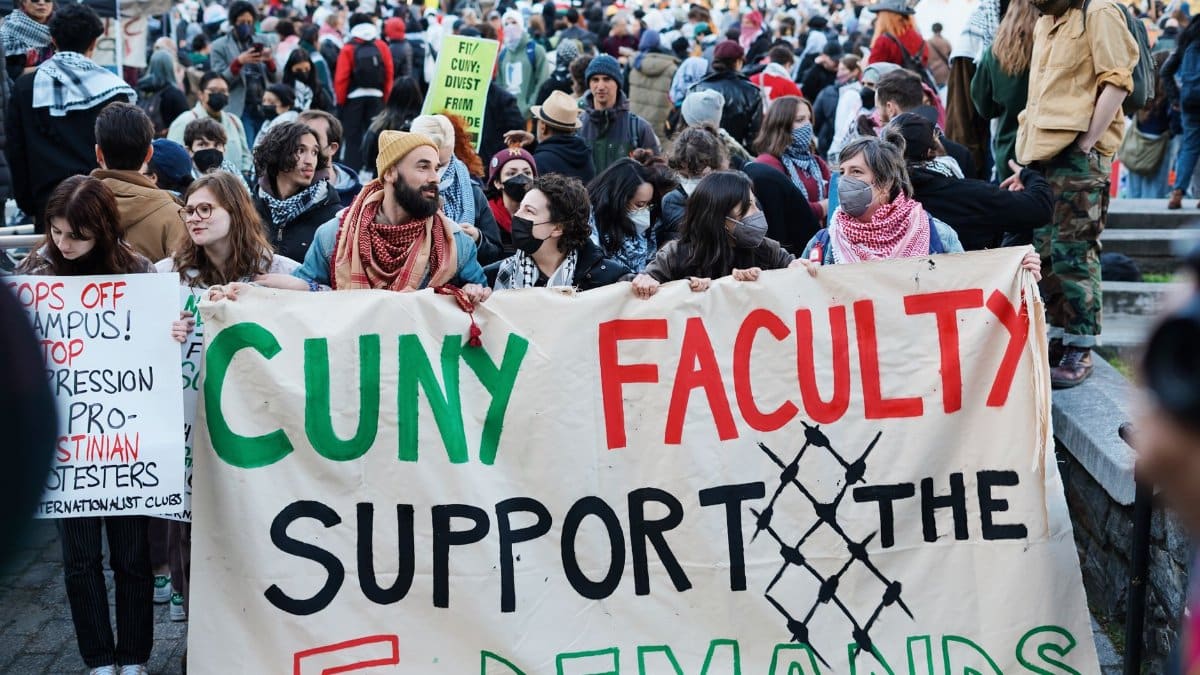
Campus groups quickly organized meetings to discuss the implications for academic freedom and job security. Letters circulated among tenured professors called for greater transparency in future planning. Off campus labor advocates noted that similar actions at other institutions have sometimes led to long term declines in morale and difficulty recruiting new talent.
Financial Data Released by University Leadership

Administrators shared selected budget figures showing a projected operating deficit that had grown over three consecutive years. Endowment returns helped cushion some losses yet could not cover ongoing expenses related to facilities and technology upgrades. The documents did not detail how savings from the IIT layoffs would be redirected.
Comparisons with Other Private Colleges

Several peer institutions have faced comparable enrollment and cost pressures yet chosen different paths such as program mergers or increased online offerings. Observers suggest that the approach taken at Illinois Institute of Technology reflects a preference for rapid structural change rather than gradual adjustment. Whether this strategy stabilizes the budget remains an open question among analysts.
Student Perspectives on Campus Changes

Undergraduates describe a mix of uncertainty and resilience as they navigate altered advising structures and larger discussion sections. Some have formed informal study groups to compensate for reduced staff support while others consider transferring if course availability narrows further. International students in particular worry about visa implications tied to program continuity.
Long Term Outlook for the Institution
University leaders maintain that the adjustments position the school for renewed growth once demographic trends stabilize. They point to new recruitment initiatives aimed at adult learners and partnerships with local industries. Critics however caution that repeated workforce reductions can erode the distinctive educational experience that once attracted applicants to Illinois Institute of Technology.