
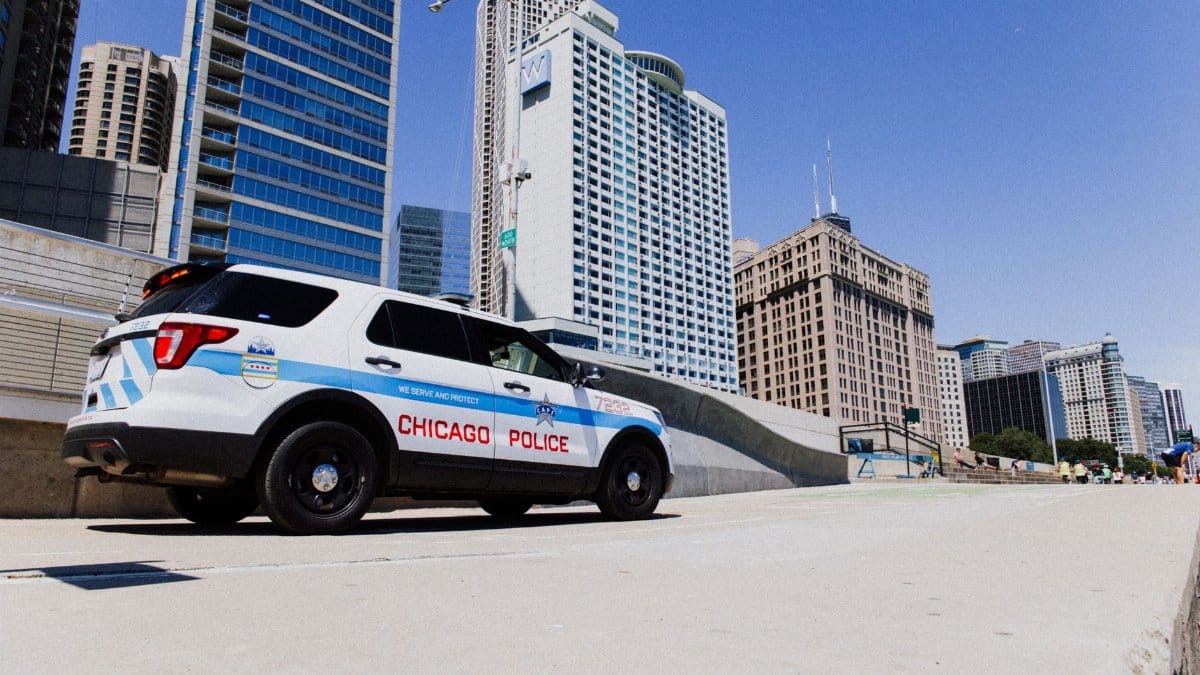
The streets of Chicago have become a focal point for tension as federal immigration enforcement intersects with daily life. Residents grapple with loss following recent incidents involving agents. Amid this climate ICE Chicago Traffic Stops have drawn particular scrutiny from advocacy groups and local officials alike. Families continue to process grief while questions mount over how such encounters unfold on public roads.
Local Leaders Call for Greater Oversight
City officials have urged federal partners to adopt clearer protocols during any vehicle related actions. They point to a need for body cameras and real time communication with local police. Such steps could reduce misunderstandings that lead to escalations. Community meetings have filled halls as residents share stories of fear during routine drives.
Impact on Daily Commutes and Trust

Many drivers now alter routes to avoid areas with reported activity. This shift affects work schedules and family obligations across neighborhoods. Trust between residents and authorities has eroded further in recent weeks. People describe a sense of unease even during ordinary travel through familiar streets.
Families Share Stories of Loss
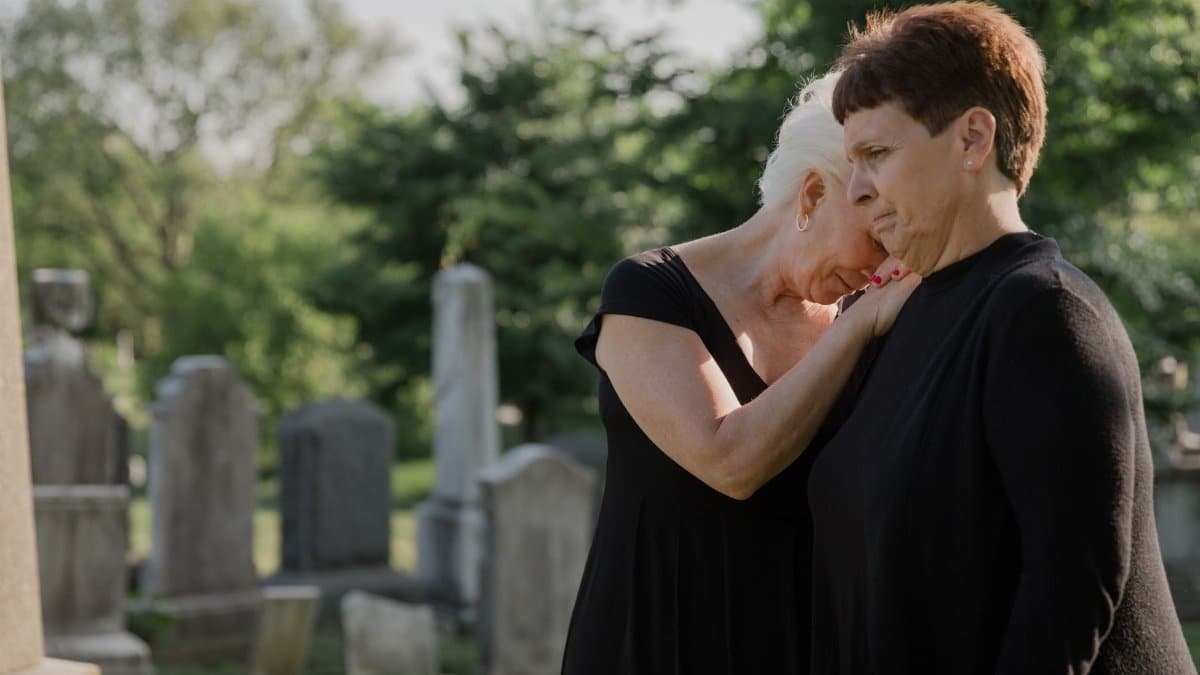
Relatives of those involved in recent events describe sudden disruptions that changed everything. Children ask why parents did not return home as expected. These accounts highlight the human side behind policy decisions made far from Illinois. Support networks have formed to help with legal and emotional needs.
Federal Guidelines and Local Realities

Directives from Washington emphasize targeted operations yet field practices vary. Agents must balance directives with safety on busy roadways. Illinois state laws add layers of complexity to joint efforts. Observers note gaps between stated intentions and what occurs during stops.
Advocacy Groups Document Patterns

Organizations track details from multiple encounters to identify trends. Reports show concentrations in certain corridors during peak hours. Data collection helps build cases for policy adjustments. Volunteers interview witnesses to ensure accounts reach decision makers.
Economic Effects on Neighborhood Businesses
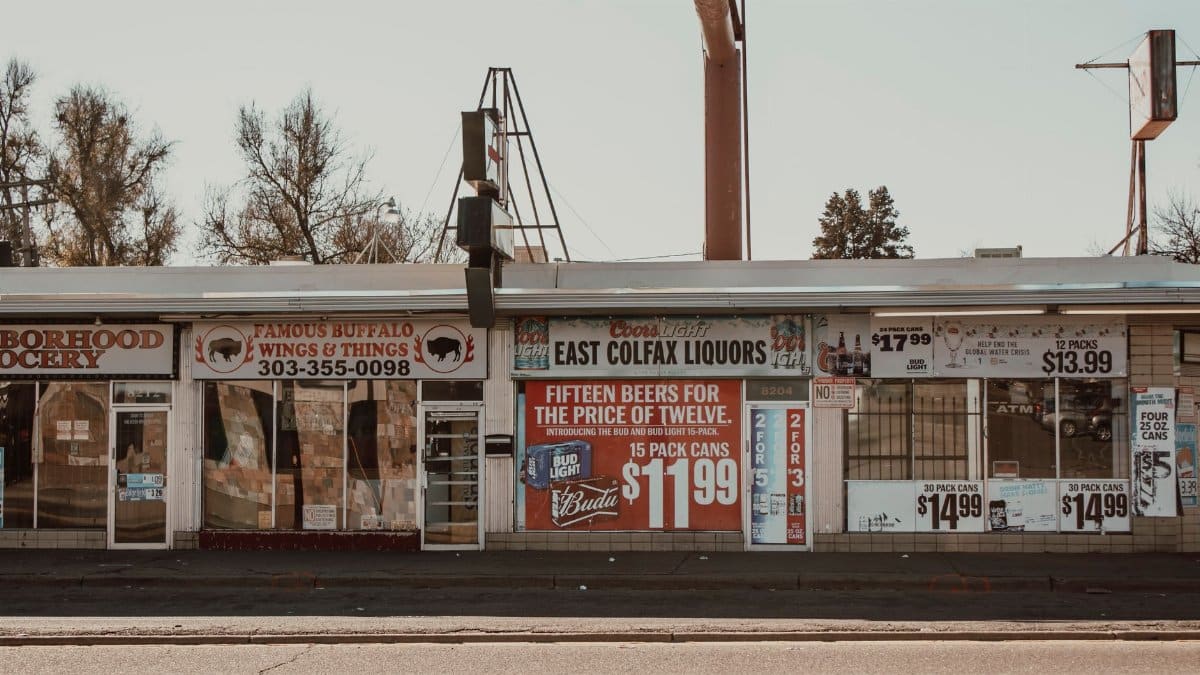
Shops and services near key roads report fewer customers as people stay home. Delivery drivers reroute to limit exposure. The ripple reaches small enterprises already facing other pressures. Owners hope for clarity that restores normal activity levels.
Legal Challenges Take Shape
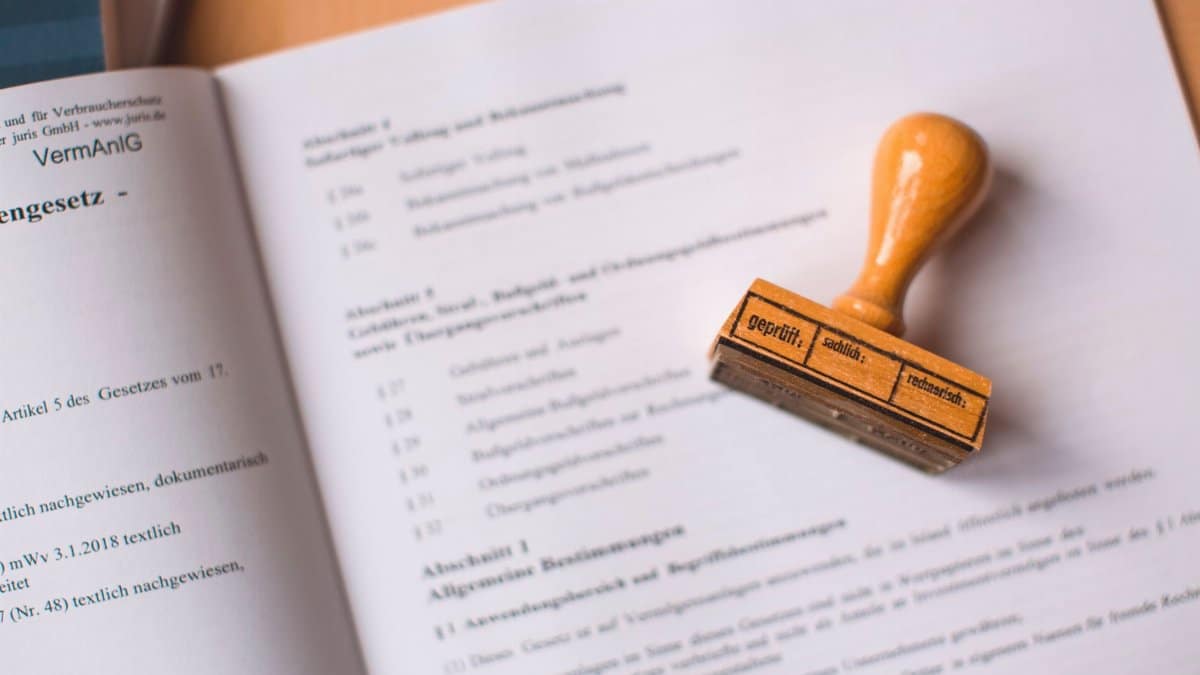
Attorneys prepare filings that question the scope of current practices. They seek court reviews on how stops align with constitutional standards. Hearings could set precedents for similar situations nationwide. Plaintiffs include both citizens and longtime residents.
Media Coverage Shapes Public View
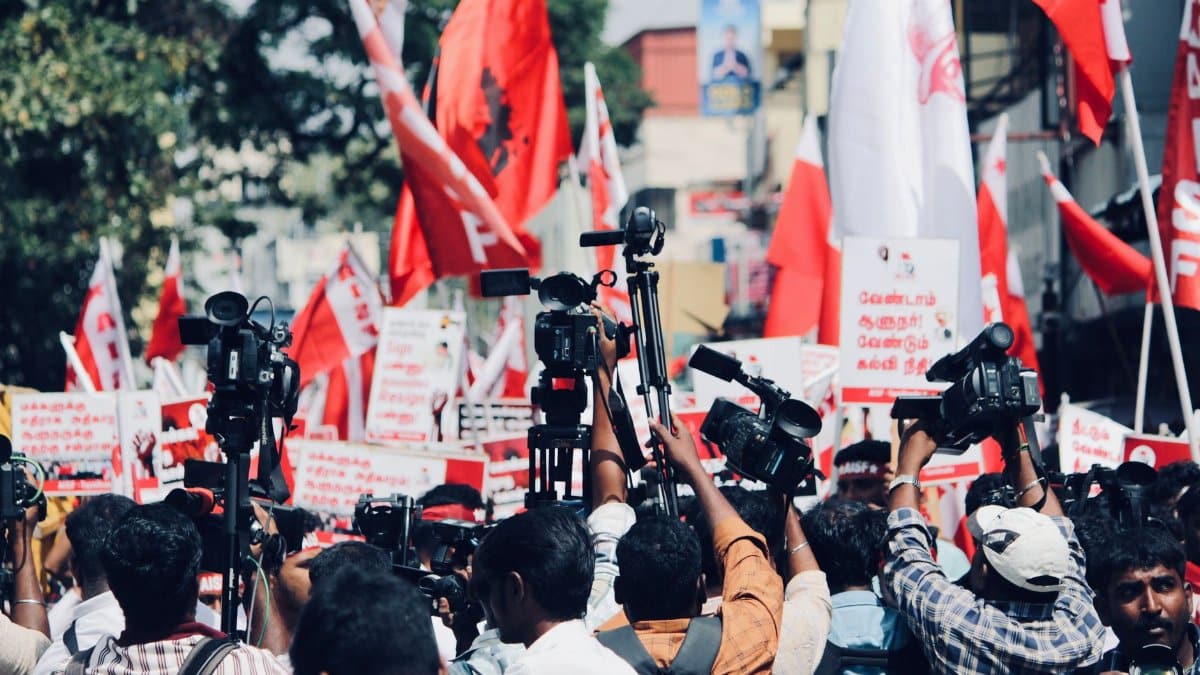
Local outlets provide ongoing updates while national attention remains limited. Images from scenes circulate widely on social platforms. This visibility influences opinions far beyond the region. Journalists face challenges verifying details amid conflicting statements.
Potential Paths Toward Resolution

Discussions continue between city representatives and federal counterparts. Proposals include joint training sessions and clearer handoff procedures. Success depends on sustained dialogue and measurable commitments. Residents watch closely for signs of meaningful change.