
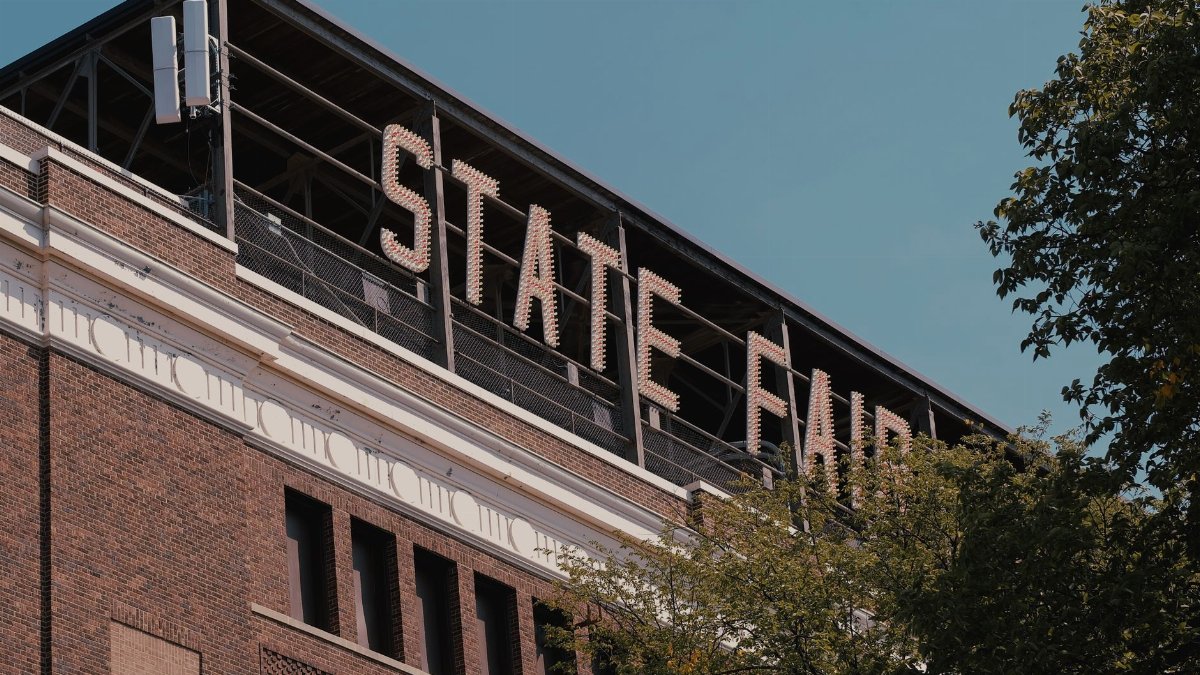
The Minnesota State Fair draws crowds from across the region each summer and this year the timing of Hwy 280 Reopening adds a welcome layer of order to what can otherwise feel like organized chaos on the roads. Officials confirmed the highway would return to full service just days before the gates open allowing commuters and visitors alike a smoother path to the event grounds. The decision reflects months of coordinated repairs that addressed structural concerns while keeping the larger network functional. For many residents the reopening signals a return to familiar routines after periods of detours and added travel time.
Background on the Closure Period
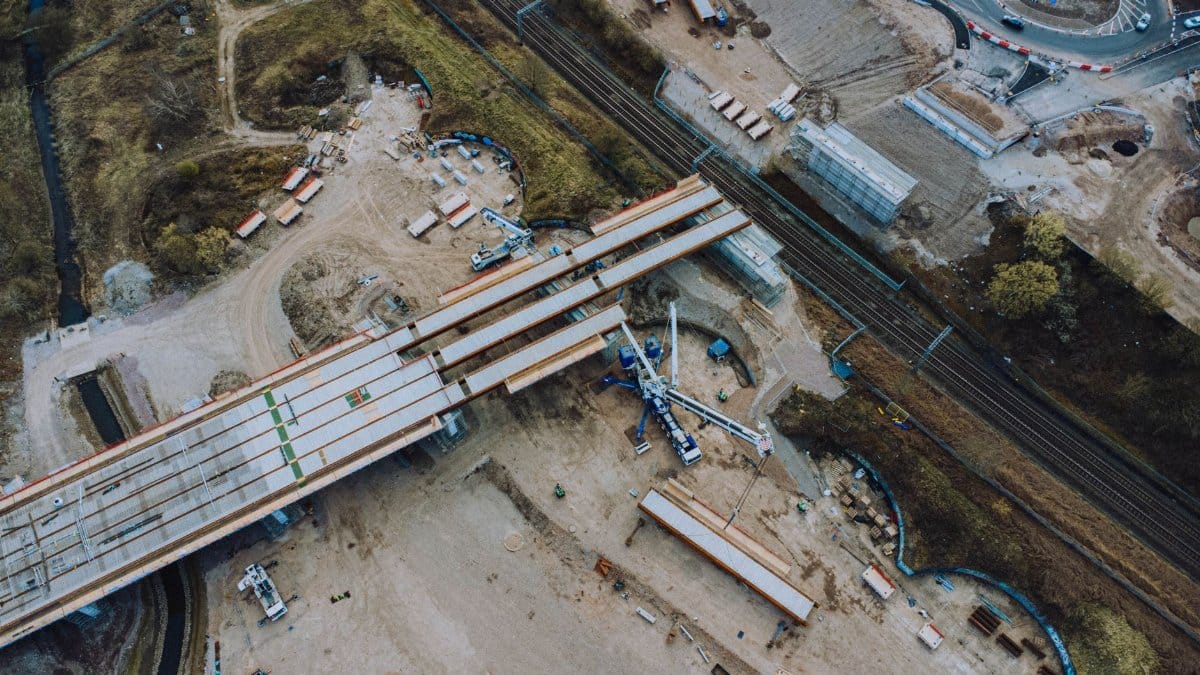
Repairs to Hwy 280 began after inspections revealed wear on key support structures. Crews worked through variable weather conditions to replace sections of pavement and reinforce bridges. The project required careful sequencing to limit spillover effects on parallel routes. Local businesses adapted by adjusting delivery schedules and encouraging remote work where possible.
Impact on State Fair Attendance
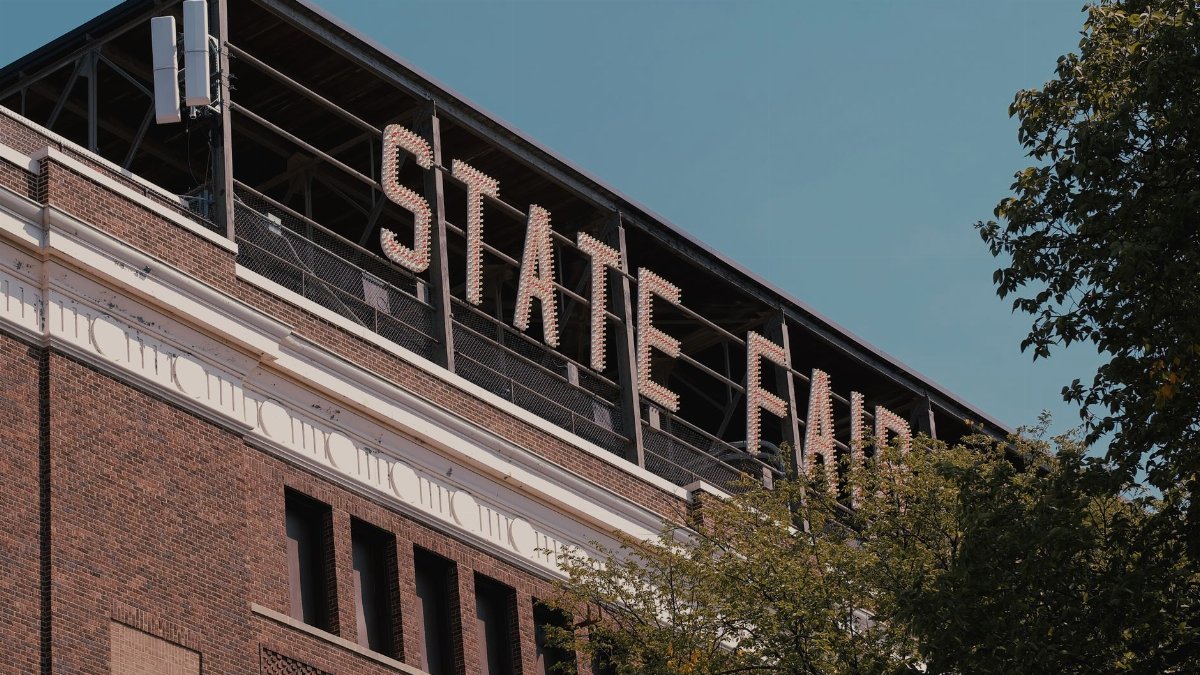
With the highway back in operation fair organizers expect attendance figures to match or exceed recent years. Parking lots near the fairgrounds should fill at a steadier pace rather than creating bottlenecks at secondary entrances. Families planning day trips now face fewer variables when mapping their routes from suburbs and neighboring towns.
Economic Ripple Effects Across the Region

Retailers along the corridor anticipate stronger foot traffic once regular flow resumes. Hotels and restaurants that rely on pass through visitors stand to gain from the restored access. Data from previous years shows measurable upticks in spending during the fair window when major arteries operate without interruption.
Community Reactions and Daily Life Adjustments

Residents who endured longer commutes during construction expressed relief at the news. Some noted the value of advance notice that allowed them to plan alternative routes in advance. Others highlighted improved safety perceptions once barriers and temporary signage come down.
Environmental Considerations During Repairs
Project managers incorporated measures to reduce runoff and protect nearby green spaces throughout the work. Equipment choices favored lower emission options where feasible. Post completion monitoring will track air quality and noise levels along the restored corridor.
Comparisons to Other Regional Infrastructure Projects
Similar efforts on parallel highways provided useful lessons in staging and public communication. Lessons from those initiatives helped streamline permitting for the current effort. Coordination among agencies reduced the overall timeline compared with earlier undertakings of comparable scope.
Future Maintenance Plans and Long Term Outlook

Officials intend to schedule periodic inspections to catch issues before they require full closures again. Budget allocations include provisions for ongoing upkeep that should extend the service life of recent improvements. Planners also eye integration with broader transit options that could ease pressure during peak events.
Advice for Travelers During the Fair Window

Motorists are encouraged to check real time updates before departure. Carpooling remains an option that can further ease volume on peak days. Public transit connections near the highway offer another reliable choice for those seeking to avoid driving altogether.