
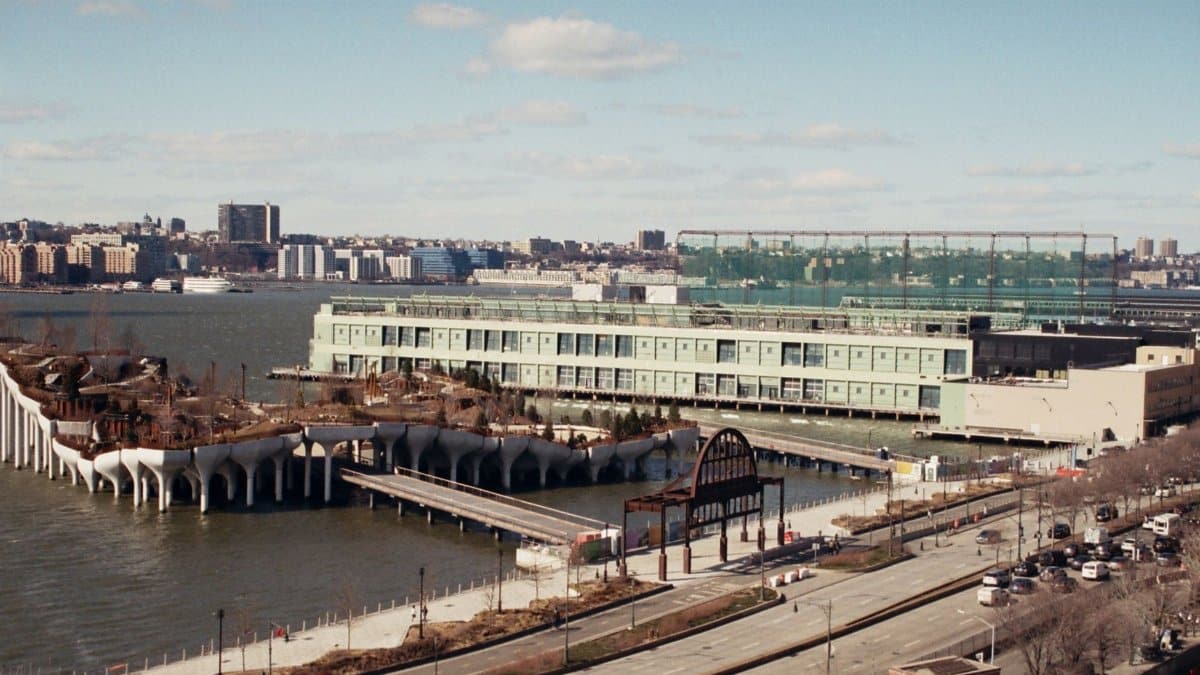
In the quiet neighborhoods surrounding a former naval installation in San Francisco, residents have long sought accountability for compromised safety standards during site remediation efforts. A recent legal resolution involving a major contractor has now delivered financial restitution and renewed attention to oversight failures. The Hunters Point settlement stands as a pivotal moment in addressing those lapses while prompting broader reflection on how communities recover from institutional shortcomings.
Tracing the Roots of Environmental Distrust

Decades of activity at the shipyard left behind layers of hazardous materials that demanded careful removal. When testing procedures came under scrutiny, questions arose about data integrity and the true extent of remaining risks. Families in the area expressed unease over potential health impacts, turning daily life into a source of constant worry. This backdrop set the stage for legal action that sought to restore confidence in the cleanup process.
Community Voices Seeking Moral Reckoning
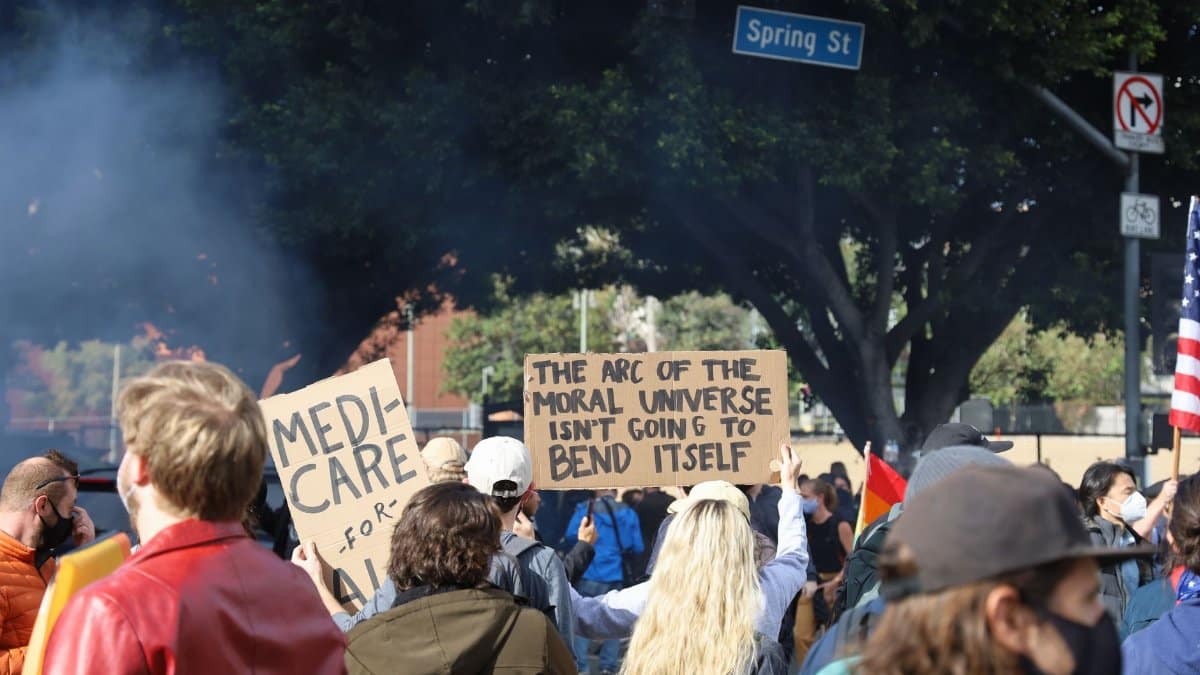
Local advocates framed the issues not merely as technical errors but as a breach of trust that touched on deeper questions of fairness. Gatherings in churches and community centers highlighted themes of shared suffering and the need for genuine repair. Residents spoke of their connection to the land as something almost spiritual, a bond disrupted by incomplete remediation work. Such perspectives added emotional weight to the push for resolution.
Corporate Accountability and Ethical Renewal

The contractor at the center of the case agreed to a substantial payment to settle claims of improper soil and radiation assessments. This outcome reflects a growing expectation that companies must align operations with principles of honesty and care for public welfare. Observers noted how such agreements can serve as catalysts for internal reforms, encouraging a culture where accuracy takes precedence over expediency.
Healing the Land as a Collective Duty

Beyond legal terms, the episode invites consideration of humanitys relationship with the earth itself. Many see remediation as an act of stewardship that carries ethical dimensions, akin to tending a shared inheritance. Efforts to verify cleanup results now emphasize transparency, allowing the community to participate in monitoring progress toward safer conditions.
Lessons from Oversight Shortcomings

Regulatory bodies faced criticism for insufficient checks during earlier phases of the project. The Hunters Point settlement underscores the value of independent verification in large scale environmental work. By examining where processes faltered, agencies can strengthen protocols that protect future generations from similar oversights.
Spiritual Dimensions of Justice and Restoration

For some residents, the resolution carries resonances of atonement and renewal, themes often explored in faith traditions. The financial terms provide practical relief, yet the symbolic act of admission opens space for communal reflection on resilience. Discussions in local forums now blend practical concerns with affirmations of hope and perseverance.
Building Trust for Future Generations

With funds allocated toward health programs and further testing, attention turns to long term safeguards. Schools and family services stand to benefit from resources that address lingering anxieties. This approach recognizes that true recovery involves both material support and emotional reassurance for those who call the area home.
Paths Toward Sustained Environmental Integrity

The case serves as a reminder that vigilance remains essential even after a settlement is reached. Ongoing collaboration between officials, experts, and neighbors can help ensure that the shipyard site evolves into a space of safety and possibility. In this way, the Hunters Point settlement contributes to a narrative of gradual reconciliation between past mistakes and present responsibilities.