
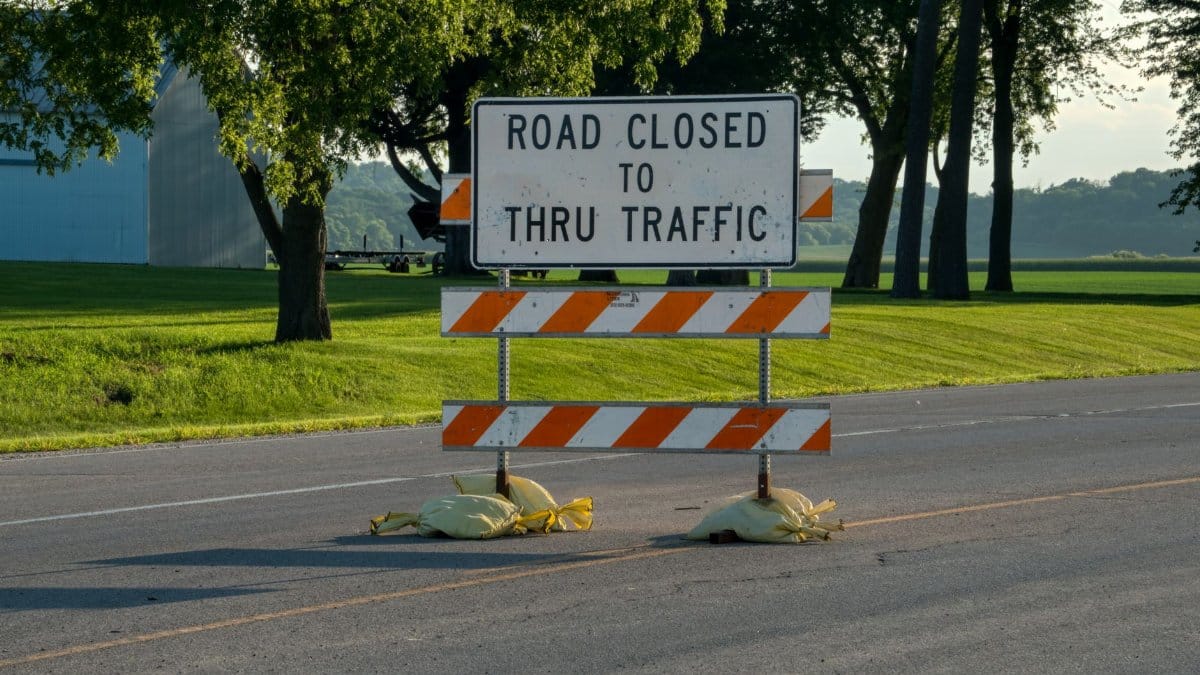
Commuters across central Maryland are bracing for extended travel challenges as planners finalize details around the Howard County Ramp Closure. This effort stems from necessary upgrades to aging infrastructure that serves a growing population. Residents who use the affected routes daily will soon encounter detours lasting several months once work begins in July 2026. Local officials emphasize safety improvements while acknowledging the inconvenience for families and businesses alike. The change arrives amid broader regional efforts to modernize highways that have seen rising volumes in recent years.
Project Origins and Timeline

State transportation leaders first identified structural concerns at the ramp site more than two years ago. Inspections revealed wear that could not be addressed through routine maintenance alone. As a result planners scheduled a full closure rather than partial lane restrictions to speed up the work. The start date in July 2026 allows crews to avoid peak winter conditions that might slow progress on concrete and steel installations.
Impact on Local Traffic Patterns

Drivers who normally exit toward Columbia or Ellicott City will need alternative paths during the closure period. Officials have mapped several detour routes that add between ten and twenty minutes to typical trips. Public transit options may see increased ridership as some commuters shift away from personal vehicles. Traffic modeling suggests the greatest strain will fall on parallel roads already operating near capacity.
Business Community Concerns

Retailers and service providers near the ramp worry about reduced customer access throughout the construction window. Delivery schedules for goods and supplies could face delays that raise operating costs. Chamber of commerce representatives have met with state engineers to discuss signage that might direct patrons to open entrances. Some owners plan temporary promotions to retain loyalty while access remains limited.
Resident Adaptation Strategies
Families are already discussing carpool arrangements and adjusted departure times to account for longer commutes. Schools in the vicinity may alter bus routes to keep students on schedule. Community forums hosted by county officials provide a venue for residents to share practical tips and voice ongoing frustrations about the coming changes.
Environmental and Safety Upgrades

Beyond basic repairs the project incorporates new drainage systems designed to reduce flooding during heavy storms. Lighting improvements aim to enhance visibility for nighttime travelers once the ramp reopens. Engineers also plan to add barriers that better separate opposing traffic flows and lower collision risks.
Coordination With Regional Agencies

Multiple jurisdictions are working together to align detour plans and share real time traffic data. Police departments will increase patrols along secondary roads to manage flow and respond quickly to incidents. Emergency services have reviewed alternate access points to maintain response times for medical calls and fire incidents.
Longer Term Regional Benefits
Supporters argue the completed ramp will support economic growth by improving connections to employment centers. Smoother traffic movement could reduce fuel consumption and emissions over time. Planners view the investment as part of a larger vision for reliable transportation infrastructure serving future population increases.
Public Outreach Efforts

Information sessions continue at libraries and community centers to explain the scope of work and answer questions. Online maps and email updates keep residents informed as construction milestones approach. Feedback collected during these meetings has already influenced certain elements of the detour signage plan.