

On a serene day in Puget Sound a routine seaplane journey for Kenmore Air ended in sudden turmoil when the aircraft descended into the water. Recreational boaters nearby responded with remarkable speed turning what could have been a tragedy into a story of collective action and survival. The Kenmore Air crash rescue stands as a reminder of how ordinary citizens can rise to extraordinary challenges when seconds count most.
The Sudden Emergency Unfolds

The plane carried eleven people including passengers and crew when it encountered trouble shortly after takeoff. Witnesses described a rapid sequence of events as the aircraft lost altitude and made contact with the surface. Those on the water observed the situation develop and immediately altered their course to assist.
Boaters Respond Without Hesitation
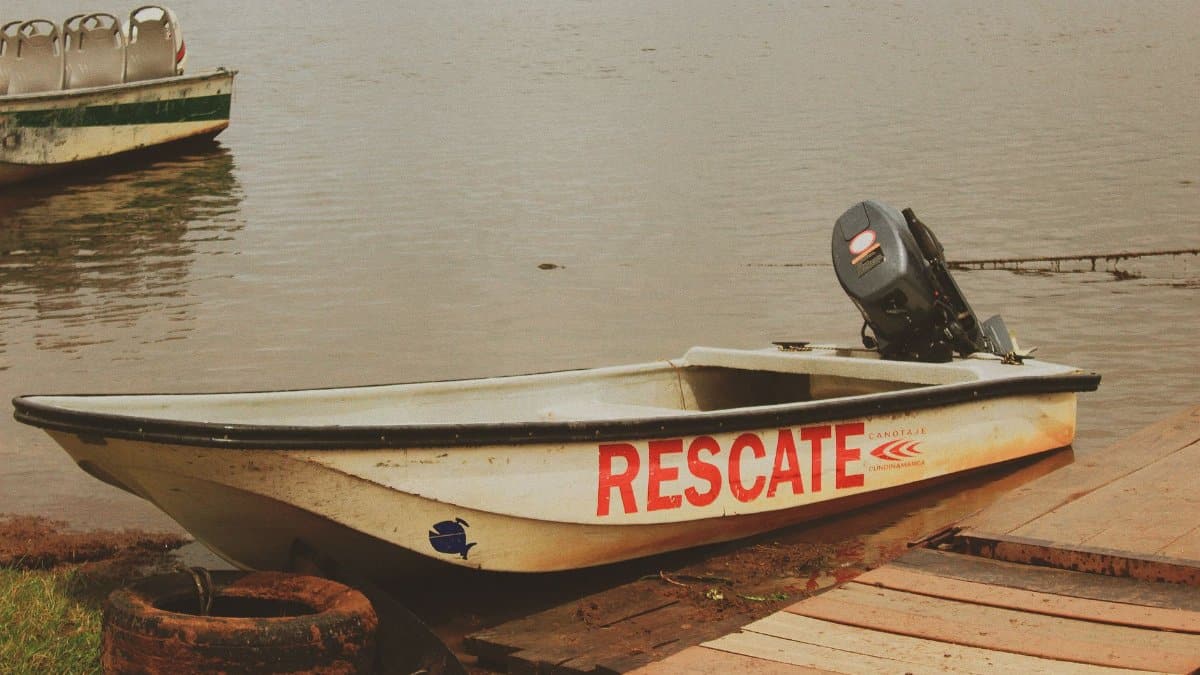
Recreational vessels of various sizes converged on the site within minutes. Operators used their craft to create stable platforms for extraction while others provided flotation devices and direct assistance to those in the water. Their actions proved decisive in preventing any loss of life during the Kenmore Air crash rescue.
Coordination With Official Responders

Professional emergency teams arrived to find the scene already stabilized by civilian efforts. Radio communications allowed boat operators to relay critical details about locations and conditions. This seamless handoff between volunteers and authorities ensured efficient transport to shore based medical facilities.
Survivor Accounts Reveal Quick Thinking

Those pulled from the water spoke of calm directions from boat crews that helped maintain order amid the chaos. Life vests distributed swiftly and clear instructions on boarding procedures reduced panic. Such details illustrate how preparation among recreational mariners contributed to the positive outcome.
Community Bonds Strengthen in Crisis

The event drew attention to the tight knit nature of Puget Sound boating circles where mutual aid is a longstanding tradition. Many participants knew one another through local clubs or shared waterways and this familiarity aided their synchronized response. The Kenmore Air crash rescue reinforced these existing networks of support.
Training and Equipment Make a Difference
Several boats carried safety gear such as throw lines and first aid kits that proved useful in the moment. Regular practice drills for water rescues among some operators allowed instinctive reactions rather than confusion. These elements combined to elevate the effectiveness of the civilian led effort.
Broader Lessons for Aviation and Maritime Safety
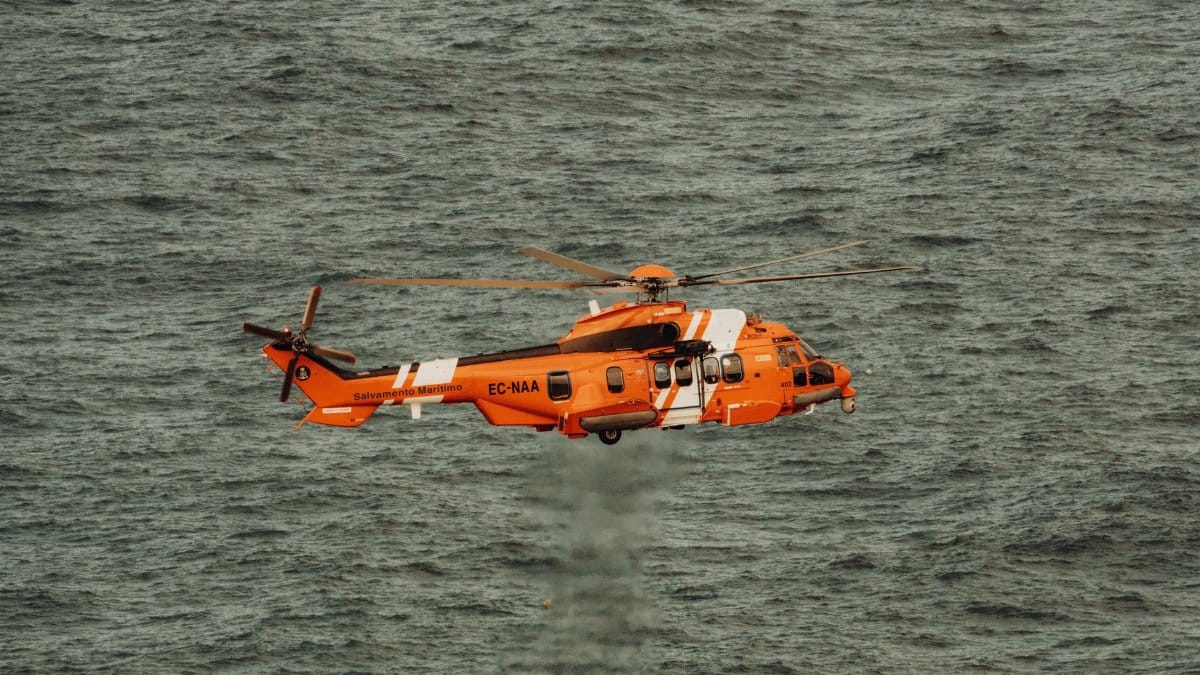
Investigators later examined how similar incidents might benefit from enhanced awareness between air and sea traffic. Recommendations included better communication protocols and public education campaigns aimed at recreational users. The success here offers a model for other regions facing comparable risks.
Environmental Conditions Played a Role

Calm waters and favorable visibility aided the rescue operations significantly. Had conditions been rougher the outcome might have differed despite the best intentions of those involved. This aspect highlights the interplay between natural factors and human response in emergency scenarios.
Reflections on Everyday Heroism
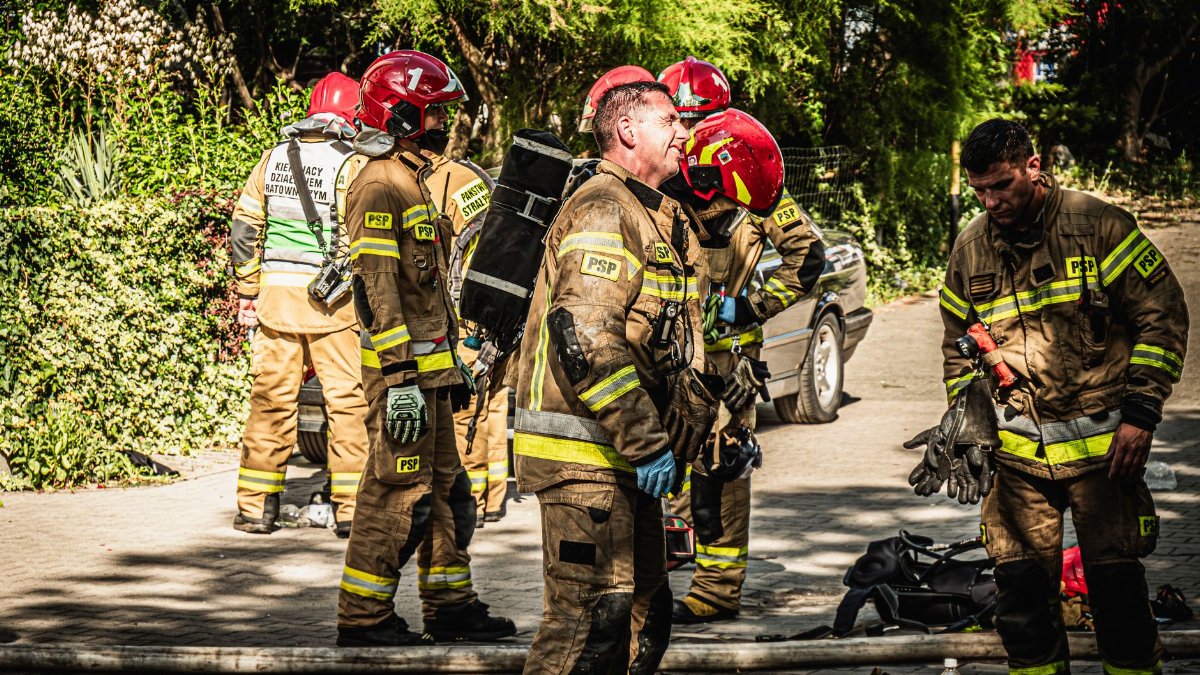
The individuals who diverted their leisure time to aid strangers represent a quiet form of courage often overlooked in daily life. Their stories circulate in local circles as examples of civic responsibility in action. The Kenmore Air crash rescue continues to inspire discussions about readiness in unexpected situations.
Looking Ahead to Improved Preparedness

Local organizations now explore ways to expand safety workshops for boaters and pilots alike. Partnerships between aviation groups and maritime associations seek to build on the lessons learned. Such initiatives aim to replicate the success of this event across wider areas.