

Recent neuroimaging work has begun to illuminate the remarkable ways in which men’s brains adapt once they become fathers. One striking set of findings centers on Fatherhood Brain Changes, a suite of structural and functional adjustments that appear to support caregiving and emotional attunement. These shifts challenge older assumptions that such neural remodeling occurs only in mothers and suggest instead that paternal experience itself can sculpt the brain in meaningful ways.
Observing the First Weeks After Birth
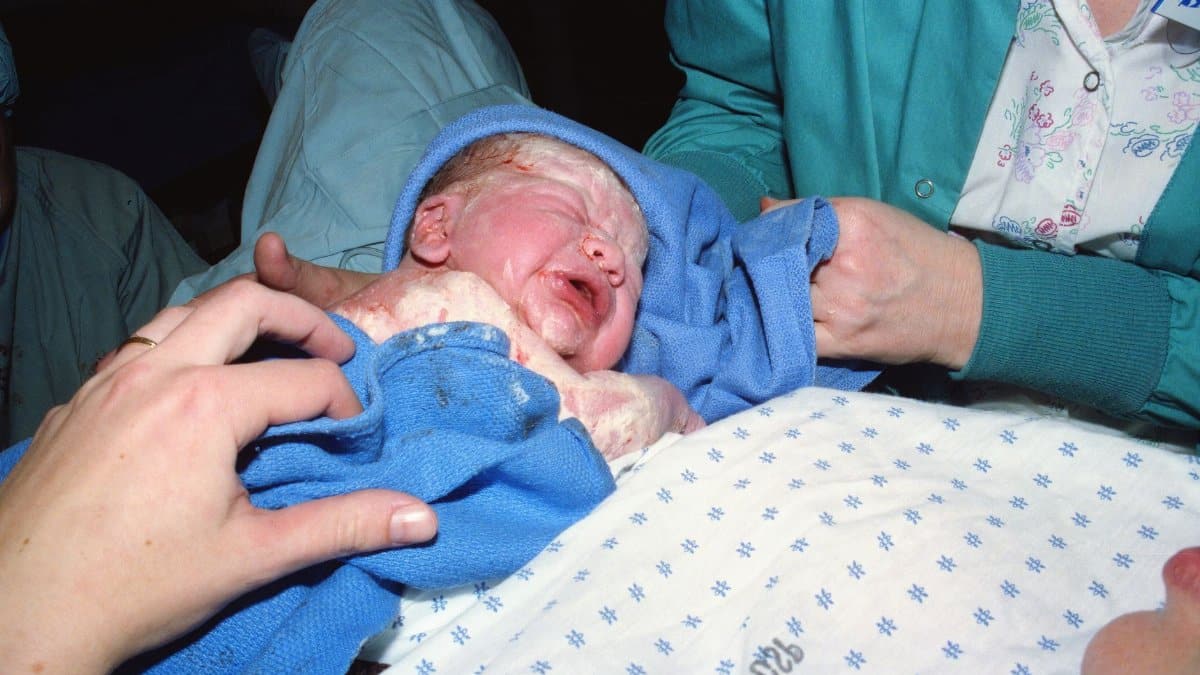
New fathers often report a heightened sense of alertness and protectiveness within days of their child’s arrival. Brain scans performed during this period reveal increased gray matter volume in areas linked to motivation and decision making. Researchers note that these early adjustments coincide with rising levels of oxytocin and declining testosterone, a hormonal rebalancing that may prime men for sustained interaction with infants.
Mapping Empathy Networks in Fathers

Functional imaging shows strengthened connectivity between the amygdala and prefrontal regions among men who spend regular time caring for their children. This pattern resembles the circuitry seen in mothers and appears to enhance the ability to interpret a baby’s cries or facial expressions. Over months of consistent involvement the same pathways continue to refine, indicating that repeated engagement rather than biology alone drives the remodeling.
Hormonal Signals That Guide Adaptation

Although testosterone typically supports competitive behavior, its modest reduction after fatherhood correlates with greater interest in soothing and nurturing. At the same time, prolactin and oxytocin rise in response to infant contact, fostering feelings of reward during everyday tasks such as feeding or rocking. These chemical shifts help explain why many men describe an unexpected sense of fulfillment from routine caregiving.
Comparing Paternal and Maternal Patterns

While mothers exhibit pronounced changes in regions tied to emotional memory, fathers show more pronounced growth in areas associated with planning and problem solving. The overlap remains considerable, however, especially among men who serve as primary caregivers. Such convergence suggests that the demands of parenting, rather than sex alone, determine the scope of neural adaptation.
Evidence From Animal Models

Studies of biparental rodents demonstrate parallel remodeling in the medial preoptic area and hippocampus when males participate in offspring care. These findings provide a useful framework for interpreting human data and indicate that Fatherhood Brain Changes may reflect an evolutionarily conserved mechanism for expanding caregiving capacity across both sexes.
Long Term Effects on Emotional Regulation

Follow up scans conducted years later reveal that fathers who maintained high levels of daily involvement retain some of the gray matter gains observed in the newborn period. These men also score higher on measures of emotional awareness, raising the possibility that early parenting experience confers lasting benefits for mental flexibility and stress management.
Cultural Factors That Shape Outcomes

Expectations around paternal involvement vary widely across societies, and preliminary evidence suggests that supportive policies such as paid leave amplify the neural changes associated with caregiving. Fathers in environments that encourage hands on parenting display stronger activation in reward centers during interactions with their children, underscoring the interplay between social context and biology.
Implications for Family Support Programs

Recognizing Fatherhood Brain Changes offers a scientific basis for expanding resources aimed at new dads. Workshops that teach responsive feeding techniques or stress reduction strategies may accelerate the very neural pathways that promote bonding. Hospitals and community centers are beginning to incorporate these insights into orientation sessions for expectant fathers.
Future Questions for Researchers

Much remains unknown about how age, prior mental health history, and number of children influence the trajectory of these adaptations. Longitudinal projects now underway aim to track fathers across the first decade of parenthood, examining whether the observed brain changes predict differences in child development outcomes or parental well being.