
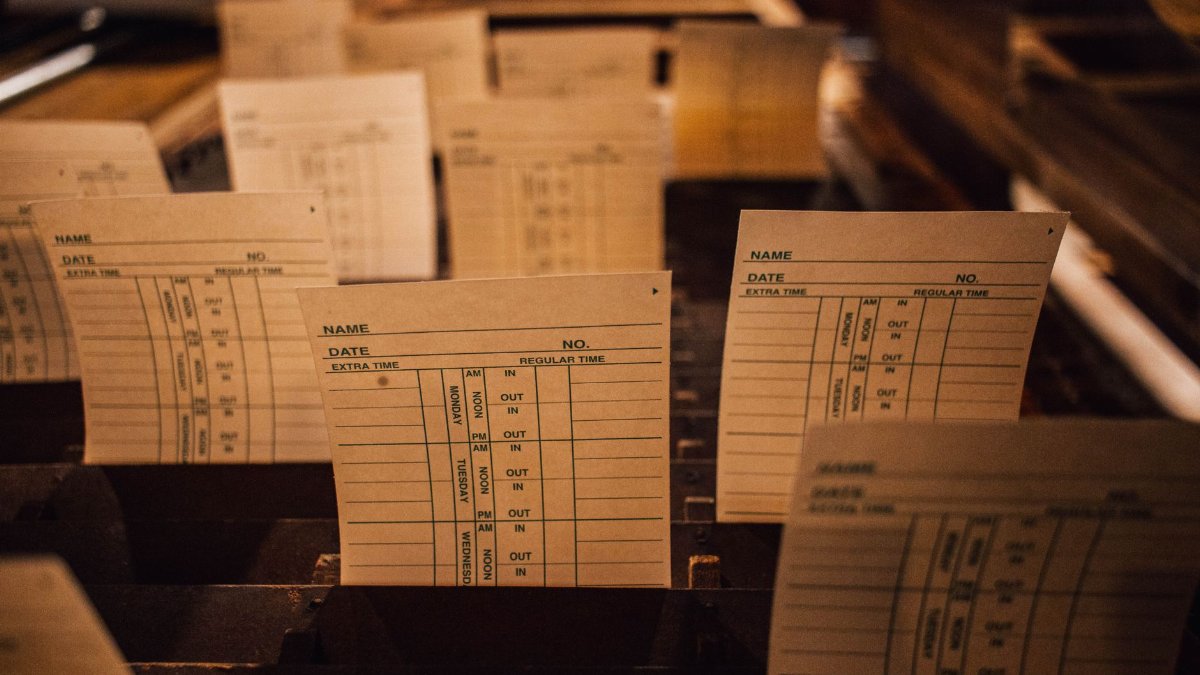
For years, a case file in Houston could move more slowly than the officer who wrote it. Detectives waited on missing pages, clerks typed the same facts twice, and prosecutors asked for records that should have been a few clicks away. This month the department expects to switch on the HPD $31M records system, a project delayed long enough to become a civic argument about competence, safety, and whether a growing city can finish the tools it buys. The launch is not a parade. It is a test of whether software, training, and old habits can finally share one file.
A promise that outlasted several budgets

City technology projects rarely fail in a single afternoon. They slip by a quarter, then a year, then another budget cycle, until the original pitch sounds like a rumor. Houston police leaders have described this records effort as a replacement for aging software that no longer matches the volume of calls, reports, and court requests the department handles. Residents heard a simpler version. Pay once, get a modern file, stop losing time. Extra costs and postponed dates turned that promise into a running ledger. I have watched enough municipal software stories to treat a launch month as a beginning, not a verdict. What matters now is whether the system holds under ordinary Tuesday pressure, not whether a slide deck once looked complete.
What a records system actually is
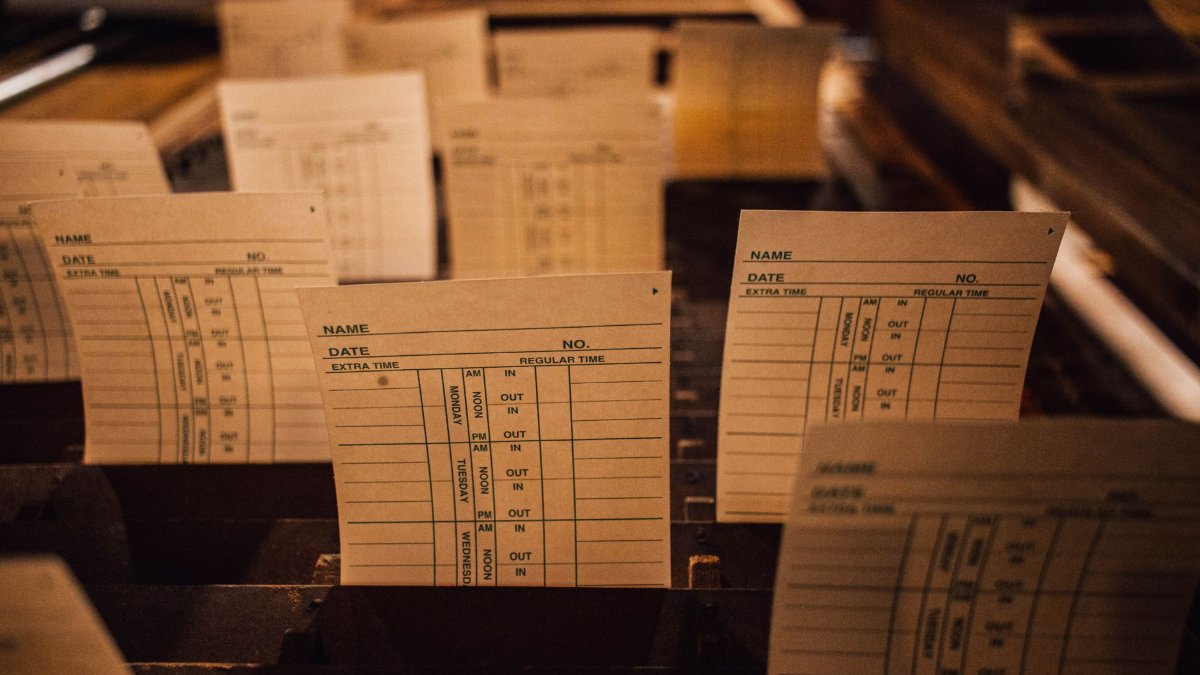
A records management system is the memory of a police department. It stores incident reports, supplements, property notes, arrest information, and the audit trail that shows who touched a file and when. When it works, an officer in one division can see what another division already knows. When it fails, the city pays twice: once in overtime and duplicate entry, and again in cases that stall because a name, address, or evidence note lives in the wrong place. The HPD $31M records system is meant to be that shared memory. It is not a crime solver by itself. It is the shelf, the index, and the clock. Without those, even careful police work becomes harder to explain in court and harder for the public to trust.
Why old software still shapes the street

Officers do not experience software as a procurement line. They experience it as the minutes between a call and a usable report. Legacy systems often demand workarounds: a paper form here, a separate database there, a phone call to a clerk who knows which screen still accepts a certain code. Those habits are rational. People protect the case in front of them. They also freeze the past in place. A new platform cannot erase years of improvised process on the first morning. Training has to meet shift schedules, night watches, and the reality that a report written at 2 a.m. must still be readable at 9 a.m. in a prosecutor office. Houston is large enough that a small friction, repeated across thousands of reports, becomes a structural delay.
The price of waiting

Delay has a dollar figure and a human figure. The dollar figure is the contract, the change orders, the staff time spent keeping two processes alive, and the consultants hired to translate between what was bought and what the department can actually run. The human figure is quieter. A victim waits longer for a status update. A defense lawyer waits longer for discovery. An officer stays late to retype a narrative that a stable system would have captured once. Local reporting has framed the project as both necessary and overdue, with added spending attached to a timeline that kept moving. That combination is familiar in American cities. It is also why residents hear thirty one million dollars and ask a fair question: what, exactly, did the wait buy?
Officers, prosecutors, and the public file

Three audiences will judge the launch, and they will not use the same scorecard. Officers will ask whether the screens are fast, whether mobile entry survives a weak signal, and whether a mistake can be corrected without starting over. Prosecutors will ask whether reports arrive complete, whether attachments stay linked to the right case, and whether the chain of edits is clear enough for a courtroom. The public will ask something broader. Can I request a record and get a coherent answer? Does the department know its own history well enough to explain a stop, a charge, or a clearance? The HPD $31M records system sits at the center of those questions. A polished login page will not satisfy any of them if the data underneath is thin, late, or inconsistent.
How Houston arrived at this month

The path here is a sequence of ordinary decisions that compounded. A department outgrows its software. Leaders seek a vendor and a scope. Council and budget offices weigh cost against risk. Implementation discovers that old data is messier than the contract assumed. Interfaces with courts, jails, and dispatch take longer than a Gantt chart promised. Each slip can be explained in isolation. Together they produce the story Houston is living now: a long delayed system finally pointed at a go live window, with skeptics who remember every earlier window. None of that requires a villain in every office. It does require adults who will say, in plain language, what is ready, what is not, and what will still be done on paper for a while.
Contracts, scope, and the temptation to add features

Large police systems fail as often from ambition as from neglect. A base records product grows extra modules, custom fields, and integrations until the original go live date is a historical artifact. Custom work can be justified. Houston is not a small town with a single jail and a single court. Custom work is also how a finite budget becomes an open tab. The disciplined question is not whether a feature is nice. It is whether the feature is required for a true report, a lawful retention schedule, and a handoff to prosecutors. Everything else can wait for a later release. Cities that learn this late pay for it in calendar time. Cities that learn it early still pay, but they pay for a system people can use.
What going live should mean

Going live should mean a defined cutover, not a slogan. Reports created after a stated hour should land in the new system. Supervisors should know which legacy queues still need human attention. Help desks should be staffed for the ugly first weeks, when passwords fail and rare case types expose gaps that testing missed. A parallel run, if the department uses one, should have an end date so staff do not maintain two truths forever. Public information officers should be ready to explain delays in records requests without pretending the transition is invisible. If those pieces are in place, this month can be a real start. If they are not, the HPD $31M records system will be live only in the narrow sense that a server answers a ping.
Risks that survive the ribbon

Launch risk is not only technical. Data migrated from old systems can carry duplicates, missing names, and codes no one still understands. Access rules can be too loose, exposing sensitive narratives, or too tight, blocking an investigator who needs them. Audit logs matter when someone later asks who changed a report. Downtime plans matter when a storm or a network fault hits on a busy weekend. There is also a cultural risk. If commanders treat early complaints as disloyalty, officers will invent private workarounds again, and the new system will become another partial record. A healthy launch invites bad news for thirty or sixty days and fixes it in public view. Silence after go live is not success. It is often avoidance.
What residents can reasonably watch

Most Houstonians will never see the software. They can still watch outcomes that do not require a badge. Are records requests answered with fewer gaps? Do major investigations cite a single case file rather than a scavenger hunt? Do council briefings give dates, defect counts, and training completion, or only reassurance? Crime statistics should not be treated as a verdict on the software, but wild swings in reported categories after a cutover deserve an explanation, because coding changes can mimic crime changes. Transparency here is not a luxury add on. It is how a $31 million public tool earns the right to be called finished. Residents are not auditors. They are the people whose cases, or whose neighbors cases, sit inside the database.
A lesson larger than one department

Houston is not alone. Police agencies across the country have stumbled through records replacements that cost more and took longer than the first vote suggested. The pattern is structural. These systems touch law, labor, vendors, and decades of local habit. They are bought like products and lived like institutions. The useful lesson is modest. Scope the first release tightly. Publish the milestones. Fund the unglamorous work of data cleaning and training at the same level as licenses. Measure success by report quality and time to a complete file, not by a press release. Applied here, that lesson would turn the HPD $31M records system from a symbol of delay into a working public utility. Applied nowhere, the next city will repeat the same slide deck with a new price tag.
The weeks after the switch

The honest calendar starts after the switch, not before it. Week one will surface password problems, missing forms, and case types nobody put in the test script. Week three will show whether supervisors are reviewing reports in the new flow or quietly asking for old formats. By the end of the first full month, the department should be able to say how many reports were created in the new system, how many were sent back for correction, and which integrations still fail. Those numbers will be more informative than any adjective. If they improve, patience was justified. If they stall, the city owes a plainer account of what the money purchased and what still has to be built. Either way, the file is the point. A city that cannot keep its own police records straight cannot fully explain itself to the people it serves.