

The lights at Houston City Hall stayed on well after the midterm returns had settled into something like a verdict. Mayor John Whitmire signed an executive order that tells city police to narrow their dealings with federal immigration agents. Contact is to be limited to cases involving jailable offenses. In that signature, the Houston ICE policy shifted from a loose set of habits toward a written line, justified by the election calendar and by a stated hope that fewer residents will stay silent out of fear.
What the order changes for officers on patrol
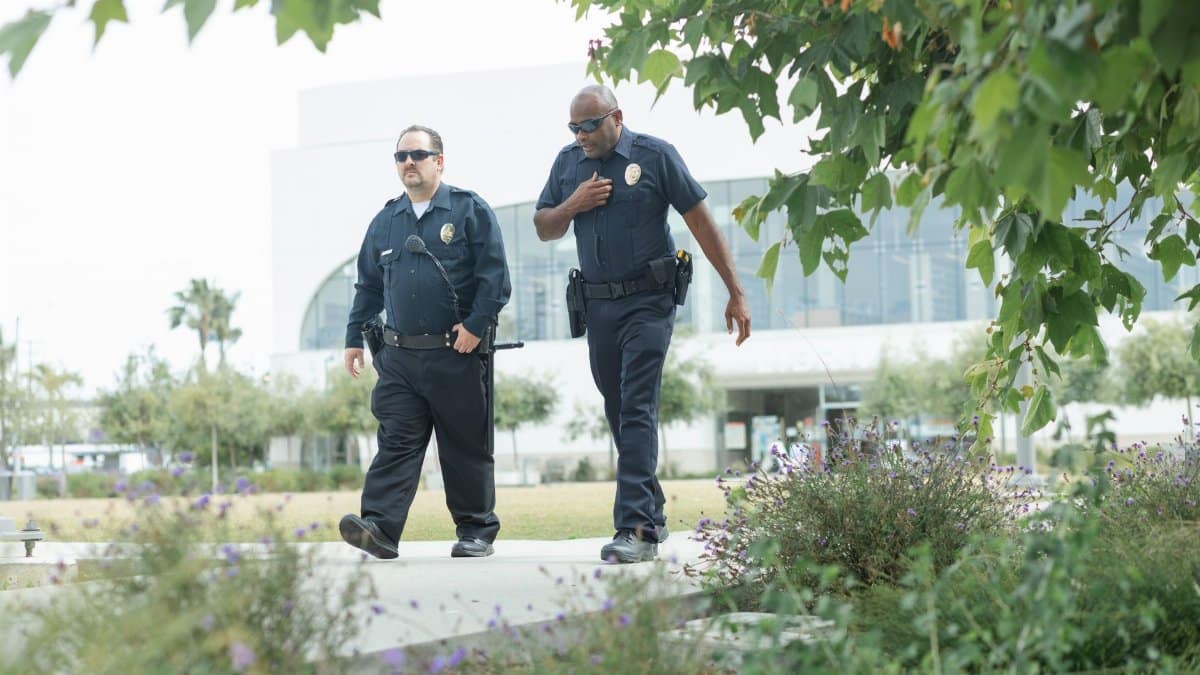
Federal agents retain their own authority. The order does not erase that authority, and it does not pretend a mayor can rewrite immigration statutes. It speaks to city employees. Under the rule Whitmire signed, a routine stop, a call for help, or a low level encounter that would not lead to jail is not supposed to become a referral to Immigration and Customs Enforcement. Arrests for offenses that can mean jail remain in another category, where contact may still occur.
The practical effect depends on how bright that line looks at night. Houston officers already sort encounters by severity. The order asks them to add a second sort: if this person is not headed to jail under ordinary criminal rules, do not open an immigration channel because of the stop itself. Supporters call that a boundary. Opponents call it a blind spot. Both are arguing about the same sentence in the order.
Why the mayor tied the signature to the midterms

Whitmire did not treat the timing as an accident. The order followed the midterms, and the public explanation paired that sequence with a desire to reduce community fear. Waiting until ballots are counted can look like respect for a fresh political mood. It can also look like a decision sheltered from the last weeks of a campaign, when immigration enforcement is easiest to shout about and hardest to explain.
Executive orders carry both meanings at once. This one instructs a police department and signals a constituency. Immigrant families are meant to hear that City Hall will not volunteer patrol officers as a default bridge to federal civil enforcement. State officials and local critics are meant to hear that the limit stops at jailable offenses, not at the jailhouse door in every case. The political craft is in holding those two messages in a single document.
Fear as a reason people do not call

Police work fails when witnesses decide the risk of speaking outweighs the risk of silence. That calculation is familiar in Houston, a city of mixed status households spread across Gulfton, Alief, Sharpstown, and streets far from those names. A parent who sees a beating, a cashier who knows who broke the register, a tenant who hears a threat through the wall: each may wonder whether a report will travel past the local officer to a federal file.
The mayor has offered reduced fear as a justification, not as a decoration. If the claim is serious, it is a public safety claim. Unreported assault, unpaid wages taken by force, and recruitment of teenagers do not stay contained in the households that stay quiet. A Houston ICE policy confined to jailable offenses tries to tell those households that a call about a crime is not, by itself, an invitation to ask about papers. Belief in that promise will matter more than the wording on the page.
The older pattern of contact

Cooperation in Houston was never one switch. Jail staff and federal agents have exchanged information about people already booked. Patrol officers have sometimes inquired, or responded to inquiries, when a stop raised a question of status. State pressure and federal programs have generally pushed sharing outward, especially once a person is in custody. The new order tries to pull the patrol end of that pattern inward without claiming to abolish every notification the law may still require at booking.
Habits are harder to repeal than memos. An officer who has spent years treating an immigration check as ordinary diligence will not forget that instinct because a mayor signed a page. Supervisors, report templates, and the questions asked in the first hour after a controversial stop will decide whether the older pattern survives under a new name.
The narrow legal power a mayor actually holds
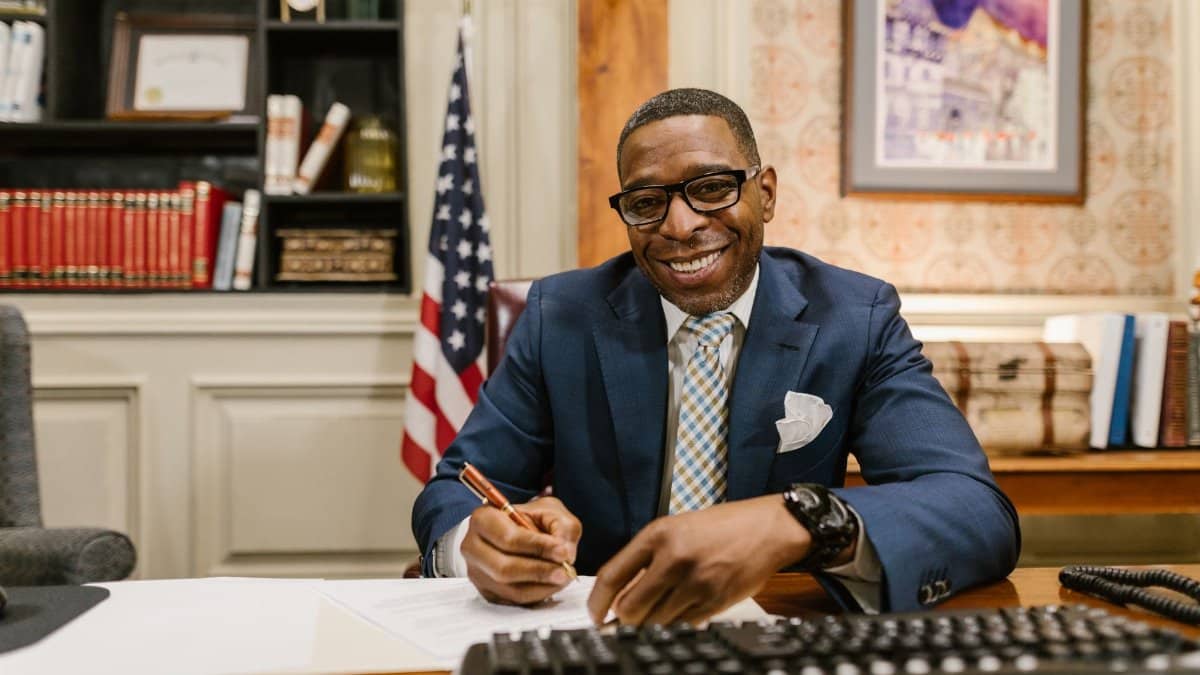
Congress writes immigration law. Federal agencies enforce it. Texas has repeatedly tried to compel local help, and courts have spent years marking which compulsions stick. A mayoral order can direct city workers within the mayor’s authority over the police department. It cannot order federal agents to leave, and it cannot nullify a statute that binds the city at the jail.
That corridor is easy to overstate from either side. Advocates sometimes speak as if a signature ends cooperation. Critics sometimes speak as if the signature is lawless on its face. The honest description is smaller. Whitmire has told his officers when they should not initiate contact. Where state or federal rules still require notice after an arrest, lawyers will have to read the order against those rules, and the booking desk may look different from the traffic stop. Residents deserve that distinction in plain language, not only in a legal memo.
What a usable rule sounds like at roll call
A policy that cannot be repeated in a sentence will be applied as a mood. The sentence available here is short. If the offense is jailable, older contact rules may still apply. If it is not, the Houston ICE policy says do not start that contact. Questions about status are not the assignment in an ordinary stop that ends in a warning or a citation.
Gray cases will test the sentence. A passenger without a license, a warrant from another county, a name that returns a confusing hit in a database: each invites an officer to treat the exception as the job. Unions will ask who carries the liability if a state official later says the order conflicts with another duty. Those questions are not distractions. In Texas they are the reason a cautious officer might either ignore the limit or police less than the block needs. Training has to answer them before the third night shift, not after the first lawsuit.
The case against the limit

Critics argue that status checks sometimes surface people accused of serious harm, and that a city should not close a channel because an election has passed. They treat the timing as evidence of motive. A rule unveiled after the midterms, they say, was designed to avoid a campaign fight rather than to match a new fact about crime or about witness behavior.
The fair reply is not a speech about compassion. It is arithmetic. How many patrol referrals did Houston make in a recent year. How many of those people were later charged with violent offenses. How many victims told advocates they refused to give a name. If City Hall will not publish that count, the fear rationale remains a claim, and the election rationale remains the clearer fact. A confident order can survive those questions. An order that cannot should not be asked to.
Advocates who see a half measure

Many immigrant advocates wanted a harder break, including limits on information sharing after booking and a refusal of programs that turn local custody into a holding pattern for federal pickup. An order aimed at non jailable street encounters will read to them as useful and incomplete. The jail, in their view, is where most of the practical cooperation happens, and a rule that leaves that door partly open has not met the request they have made for years.
Others will use the half measure anyway. Legal aid groups can explain the promise in specific words. Churches, tenant groups, and neighborhood associations can repeat it until it is as familiar as the non emergency number. Fear declines when people trust a pattern, not when they trust a headline. The order becomes real only if the next person who needs a police report has heard the rule from someone other than the mayor.
A city that has argued this through several eras

Houston has lived with this fight under more than one mayor, more than one legislature, and more than one wave of arrival from Latin America, Asia, and Africa. The local economy runs on that labor. State politics often runs against city politics. Whitmire spent decades in the legislature before he took the mayor’s office, so he knows both rooms. Signing after the midterms suggests he wanted a settled vote behind him and a quieter week in front of him.
The argument will return. A later legislature can tighten mandates. A later federal administration can expand or shrink partnerships with local jails. One shocking crime can exhaust public patience with any limit. The order lasts if later mayors, later councils, and later officers still find the line workable on a shift, not if it merely survives the week of the signature.
Elections as a reason and as a risk
Citing elections is not, by itself, a scandal. Leaders often spend political capital after a vote rather than during one. The risk is seasonal policing: strict cooperation talk before ballots, a narrower rule after. If the limit is sound in November, it should have been defensible in October. If it was indefensible in October, a change of calendar does not repair the reasoning.
Whitmire can close that gap by publishing the operational detail. Which offenses count as jailable for this order. Which notifications at the jail remain mandatory. Which databases stay in use. Which calls an officer must still make under state law. Transparency converts a political signature into a rule residents can test against their own encounters.
How the city will know whether the order is real

The test is not the podium. It is the next run of stops, bookings, and witness statements. Patrol reports should show whether immigration referrals fall in cases that end without jail. Jail logs should show where notice to federal agents continues because the law still requires it. Advocates should be able to say whether more people are willing to attach a name to a complaint. Officers should be able to say whether the rule is clear or whether it feels like a trap.
Houston is large enough for a policy to be genuine in one division and ignored in another. The mayor signed an order limiting police contact with federal agents after the midterms, restricted that contact to jailable offenses, and linked the choice to elections and to fear. Whether the Houston ICE policy becomes department practice will show up in incident narratives, in training records, and in whether a person on a dark street believes the officer in front of them came for the crime and not for the papers.