

In the hushed chambers of Houston City Council last week a decision unfolded that carried weight far beyond the usual local debates. Lawmakers faced pressure from state leaders threatening to withhold funds unless policies aligned with stricter enforcement priorities. The result was approval of measures reshaping how the city interacts with federal immigration authorities. This move marked a notable chapter in ongoing discussions around ICE Ordinance Changes and their ripple effects across communities.
State Funding Pressures Shape Local Decisions

Governor Abbott issued clear warnings about budget allocations if Houston did not adjust its approach to detainer requests and related protocols. Council members reviewed data showing potential losses in state support for infrastructure and public safety programs. The vote followed weeks of closed door negotiations where officials weighed economic impacts against community concerns. Many residents expressed worry that altered rules could affect families with mixed immigration statuses who contribute daily to the local economy.
Council Vote Breakdown and Key Players
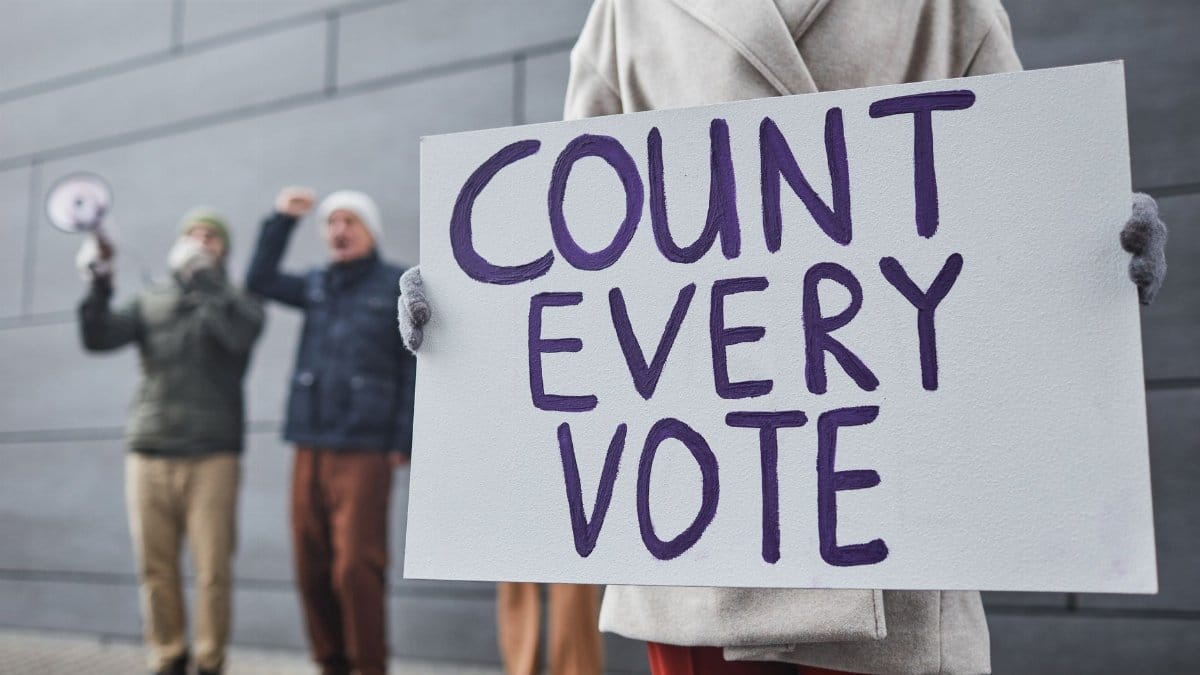
The final tally showed strong support from a majority bloc that emphasized compliance to protect city resources. Opponents argued the amendments risked eroding trust built over years between police and immigrant neighborhoods. Mayor Turner played a central role in guiding the discussion toward consensus. Each member cited specific clauses in the new framework during their remarks before casting ballots.
Historical Context of Immigration Policies in Houston

City ordinances on federal cooperation have evolved gradually since the early two thousands when initial guidelines emerged amid national debates. Previous versions allowed limited information sharing while protecting certain local priorities such as crime reporting. Recent amendments build upon those foundations yet introduce tighter coordination standards. Observers note that Texas cities have navigated similar tensions as state leadership pushes uniform enforcement across jurisdictions.
Community Reactions from Diverse Neighborhoods

Advocacy groups gathered outside city hall to voice both support and opposition depending on their focus areas. Some organizations highlighted data on reduced cooperation leading to fewer crime tips from undocumented residents. Others pointed to surveys indicating heightened anxiety in areas with high concentrations of recent arrivals. Public forums held afterward revealed a split along lines of economic security versus humanitarian considerations.
Economic Implications for City Services

Analysts project that alignment with state demands could unlock millions in previously restricted grants for road repairs and emergency response training. Without the changes those funds faced delays or outright denial according to budget documents. Local businesses reliant on a stable workforce watched the proceedings closely since enforcement shifts often influence labor availability in sectors like construction and hospitality. Long term forecasts suggest modest gains in state partnerships offset by potential strains on social service agencies.
Legal Challenges Anticipated in Coming Months

Attorneys specializing in immigration law predict lawsuits from civil rights organizations questioning the scope of information exchanges. Precedents from other states show courts sometimes limit local involvement in federal matters when due process concerns arise. Houston officials have prepared contingency plans including legal reserves to handle expected filings. The amendments include provisions for periodic reviews to adjust based on court rulings or new state directives.
Impact on Local Law Enforcement Practices

Police department training sessions now incorporate updated protocols for handling immigration status inquiries during routine stops. Officers received guidance on maintaining focus on criminal activity rather than administrative violations. Union representatives noted improved clarity in roles which they say reduces confusion in the field. Data tracking mechanisms will monitor compliance rates and any shifts in community engagement metrics over the next year.
Broader Trends Across Texas Municipalities

Similar adjustments have occurred in Dallas and Austin though with varying degrees of resistance from elected bodies. Statewide legislation passed earlier this year set minimum standards that cities must meet to avoid penalties. Houston position as the largest urban center makes its actions a bellwether for how other areas might respond. Regional comparisons reveal differences in implementation timelines and public communication strategies.
Future Monitoring and Adjustment Processes

City staff will issue quarterly reports detailing enforcement outcomes and any unintended effects on public safety statistics. Advisory committees including community representatives will review findings and suggest refinements. This built in feedback loop aims to balance state requirements with local needs as conditions evolve. Officials stressed that flexibility remains essential given the fluid nature of federal immigration priorities at the national level.