
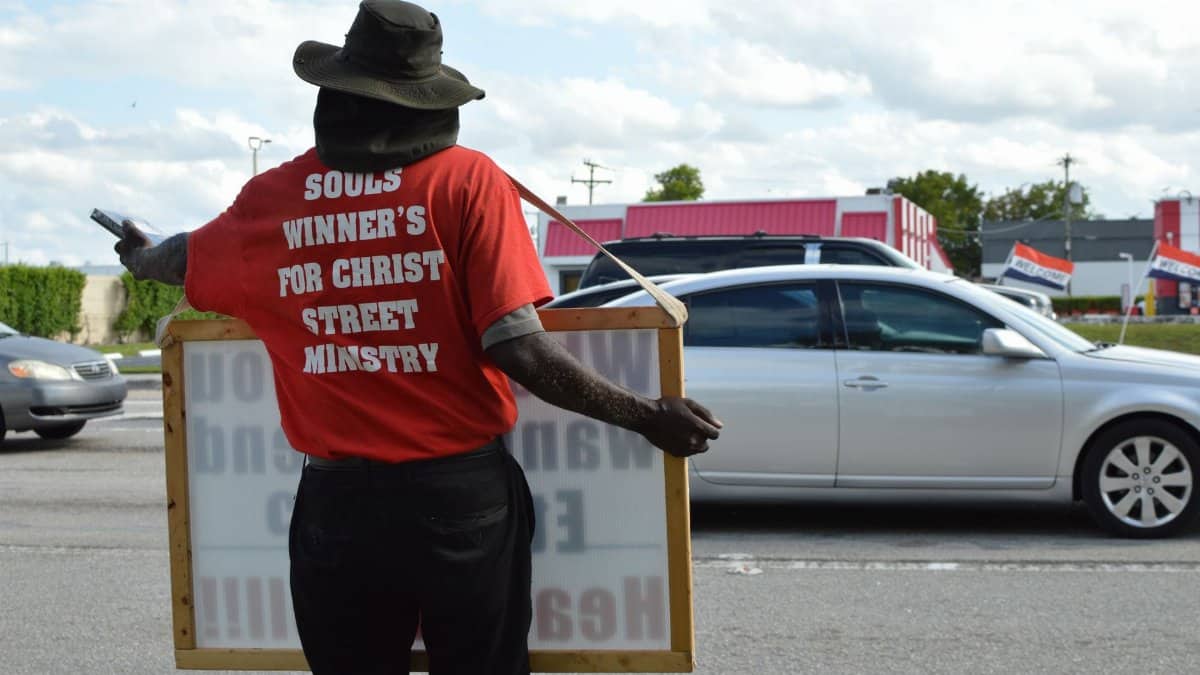
In the days after voters delivered a mixed verdict to Republican candidates, pulpits across Houston filled with a familiar mix of lament and resolve. Pastors described a culture they called sick, even as they told congregations not to confuse electoral disappointment with divine absence. For Texas evangelicals, the midterm results landed as both a political setback and a spiritual test, raising old questions about how tightly faith should bind itself to a party, and what remains when that party stumbles.
A culture they call broken

The language from some Houston pulpits was blunt. A culture that celebrates what scripture condemns, they said, cannot be repaired by a single election night. Crime in the headlines, fights over what children learn in school, and a public square that feels hostile to traditional belief all fed the diagnosis. Calling the culture sick is not new in evangelical preaching. It is a way of naming moral disorder without pretending that politics alone caused it or can cure it.
That framing does particular work after a loss. If the problem is the culture, then a disappointing ballot is evidence, not a verdict on the faith itself. Sermons in large suburban churches and smaller storefront congregations returned to the same theme: the nation has drifted, families are under strain, and believers should not be surprised when elections fail to reverse decades of change. The tone was mournful more often than triumphant.
Trust that God remains in control

Alongside the lament came a second message, repeated until it sounded like a refrain. God is still in control. Pastors urged worshippers not to treat a party setback as a crisis of providence. The ballot box, they insisted, is not the throne. For people who have spent years hearing that elections are spiritual battlegrounds, that reminder can sound like comfort or like a gentle correction.
In practical terms, the counsel was steady rather than dramatic. Keep praying. Keep serving the poor in the neighborhood. Keep teaching children at home and in Sunday school. Do not let disappointment curdle into contempt for neighbors who voted differently. Several ministers framed political loss as a chance to recover practices that campaigns tend to crowd out: hospitality, patience, and a willingness to admit that no platform captures the whole of Christian obligation.
Houston pulpits after the count

Houston is a useful place to listen for this tension. The city is vast, diverse, and religiously crowded. Evangelical churches sit beside Catholic parishes, Black Protestant congregations, mosques, temples, and a growing share of residents who claim no religious affiliation at all. A sermon that lands as common sense in a conservative suburb can sound like a foreign language a few miles closer to downtown.
After the midterms, that geography mattered. Republican strength in parts of the state did not erase Democratic wins in urban counties, and pastors who minister to mixed congregations had to speak to people who did not share a single political mood. Some members mourned. Others felt relief. The more careful preachers refused to pretend the sanctuary was a rally. They acknowledged grief without turning the altar into a war room.
The long marriage of faith and party

None of this reaction makes sense apart from a decades long alignment between conservative Protestant voters and the Republican Party. Texas evangelicals have been a pillar of that coalition, especially in statewide races, where turnout among church going conservatives can decide a primary and shape a general election. Candidates learned the language of the pew: family, religious liberty, opposition to abortion, and suspicion of elite institutions.
The marriage brought access and a sense of protection. It also brought risk. When the party loses, or wins by less than leaders promised, the churches absorb the disappointment. Critics outside the fold argue that the alignment has cost evangelicals moral credibility, particularly among younger Americans who associate the faith with a brand of politics they reject. Defenders answer that withdrawal would abandon public questions that believers consider matters of justice, not mere preference. Both claims were audible, in different registers, once the results were clear.
Younger worshippers and a quieter politics

Inside many congregations, age splits the room. Older members often hear a sick culture as a precise description of what they have watched change since their own youth. Younger adults, even those who share core doctrines, are more likely to flinch at partisan certainty. They may still oppose abortion or want strong religious liberty protections, yet they distrust the idea that one party is the vehicle of faithfulness.
Pastors who want to keep both generations under one roof have started speaking with more care. Texas evangelicals are not a single choir. A college student in a Houston church and her grandparents may recite the same creed and leave the sanctuary with different instincts about rallies, social media, and whether a candidate’s character can be set aside for the sake of policy. The midterms sharpened that family argument without settling it.
What the losses did and did not mean

It is easy to overread a midterm. Parties lose seats. Maps shift. A disappointing night is not the same thing as a collapsed movement. Republican candidates still found deep reservoirs of support in rural counties and in many church parking lots. What stung, for activists who had predicted a broader sweep, was the gap between expectation and result, especially in places where cultural arguments were supposed to carry the day by themselves.
For pastors, the useful distinction was between a political loss and a spiritual one. A lost race does not repeal a conviction about marriage, life, or the authority of scripture. It does reveal the limits of electoral power. Texas evangelicals who had been told that the right turnout operation would restore a moral order woke up to a more complicated country, including in their own metro area, where neighbors do not share their premises and are not waiting to be persuaded by volume alone.
Abortion, schools, and the issues that endure
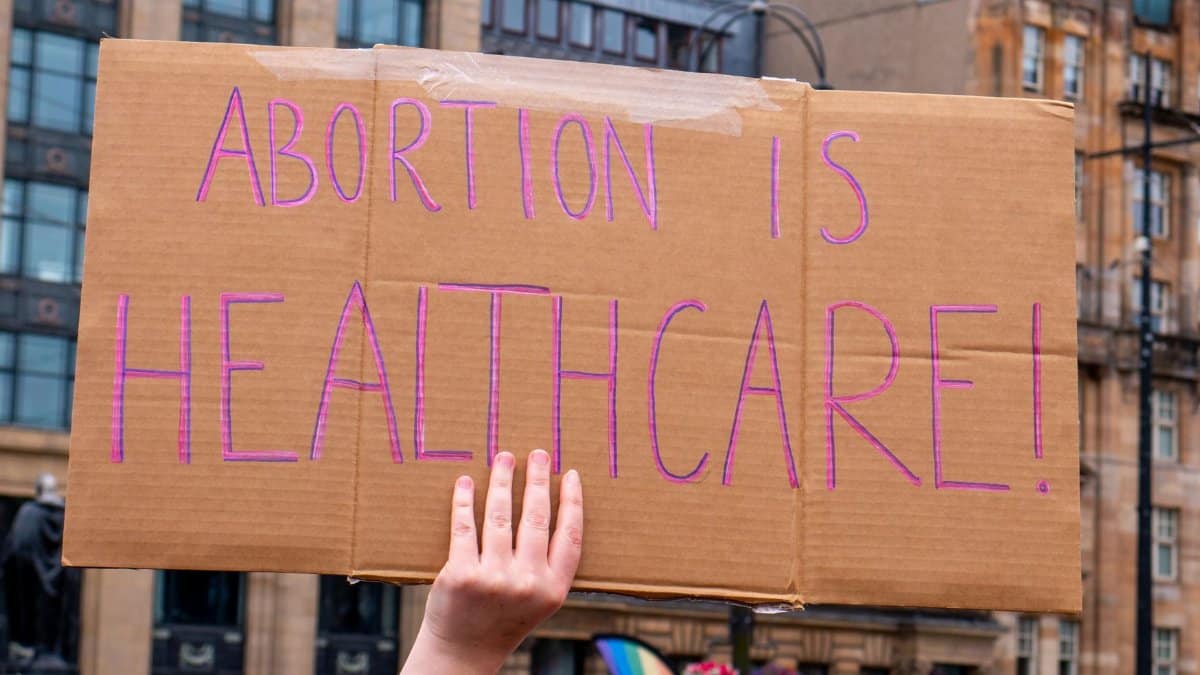
The issues that animate these churches did not vanish with the returns. Opposition to abortion remains a defining commitment for many pastors, joined now by fights over library books, gender, and what public schools may teach. School board meetings in the Houston region have become stages where parents quote scripture and policy in the same breath.
Yet the midterms also suggested that intense conviction does not automatically produce a majority. Voters who agree with a church on one question may defect on another, or simply stay home. Pastors who decry a sick culture are, in effect, admitting that their moral vision is contested. The contest will continue in legislatures and classrooms whether or not the next statewide slate runs the table. That is a harder lesson than a victory speech, and a more honest one.
Pastors who want distance from campaigns
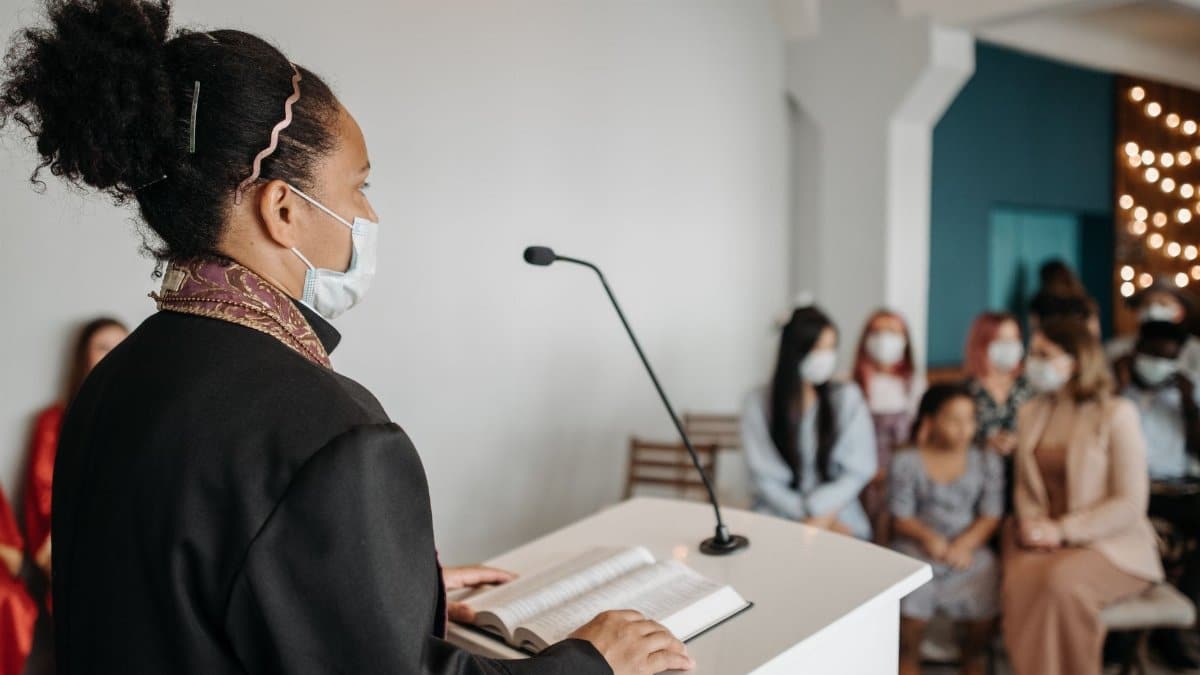
Not every evangelical leader in the city wants the pulpit yoked to a party apparatus. A quieter group of pastors has spent years warning that campaign season distorts discipleship. They do not deny that laws matter. They deny that a church’s health can be measured by the success of candidates who court it. After the losses, their caution sounded less like timidity and more like preparation.
Distance, in their telling, is not silence. It is a refusal to let strategists set the church calendar. It means preaching about money, mercy, and race with the same seriousness as preaching about sex and doctrine. It means inviting members to vote as an act of conscience rather than as a test of belonging. In a polarized city, that posture is difficult to sustain. It is also one reason some congregations have avoided the worst of the post election recrimination.
A congregation that still shows up
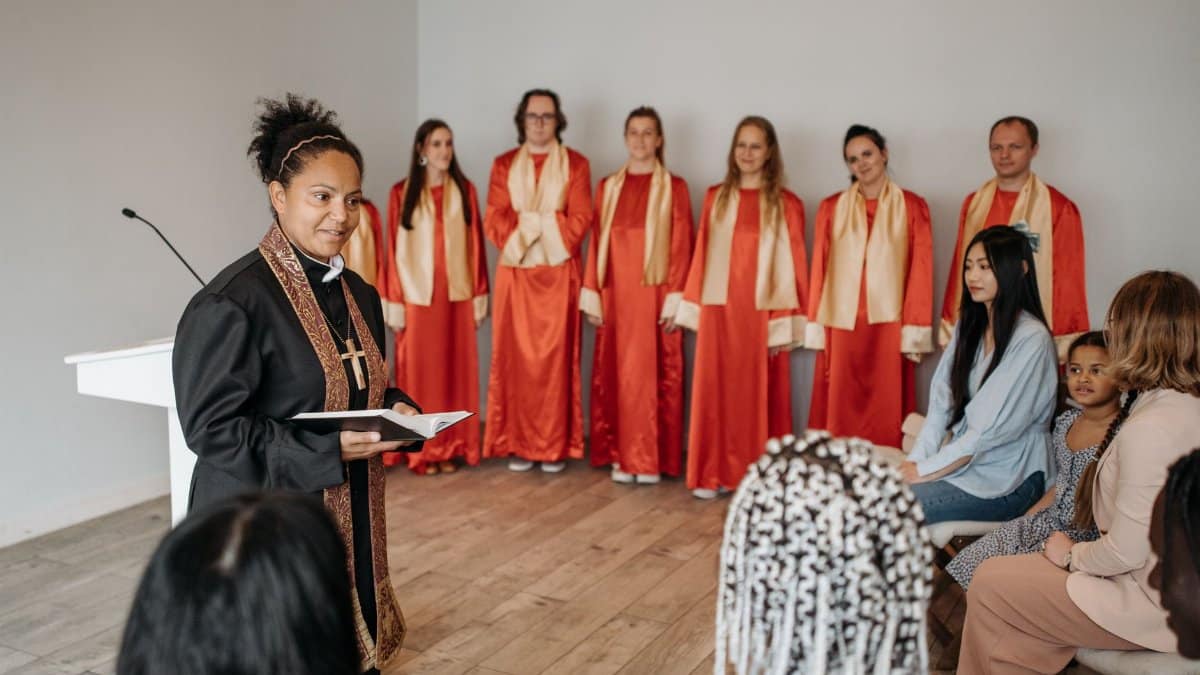
Whatever the headlines, Sunday still arrives. New members stand in front of congregations and tell short stories of conversion or return. The ordinary life of a church is a rebuke to the idea that politics is the only plot. Houston pastors who called the culture sick did not, in the same breath, call their people to despair. They called them to stay.
That call has a civic echo. A democracy can survive passionate religious citizens if those citizens accept loss without treating opponents as enemies of God. The test is not whether believers care about public life. It is whether they can care without making every defeat an apocalypse. On that score, the most credible voices in these churches were the ones that held lament and trust in the same sermon.
Looking toward the next election without panic
Another campaign is never far off in Texas. Candidates will return to fellowship halls, ask for prayers, and promise to defend the things these congregations hold dear. Some pastors will open the doors wide. Others will keep the focus on worship and let members sort their ballots in private. The argument between those approaches is itself a feature of evangelical life, not a glitch.
What the midterms clarified is modest and important. Texas evangelicals remain influential, organized, and convinced that the moral condition of the country is not well. They are also newly reminded that influence is not the same as control. The pastors who named a sick culture and then pointed beyond the ballot were trying to hold both truths at once. Whether that double vision steadies their people or merely delays the next round of political fervor is a question the next campaign will answer.