

In the days following Tropical Storm Edouard, families across the Houston region navigated unexpected disruptions that tested their usual rhythms of work and learning. The Edouard school closures in places like Conroe and Willis left parents weighing options for childcare and remote activities while roads remained slick from recent rains. Such events highlight how weather patterns continue to shape community life in ways that extend beyond immediate safety concerns. Districts made their announcements with an eye toward protecting students and staff during periods of uncertain travel. Residents recalled similar interruptions in past seasons and drew on established networks of neighbors to share resources and information. This episode underscores broader patterns in how coastal areas prepare for and respond to seasonal storms that arrive with little warning.
Community Responses to Sudden Disruptions
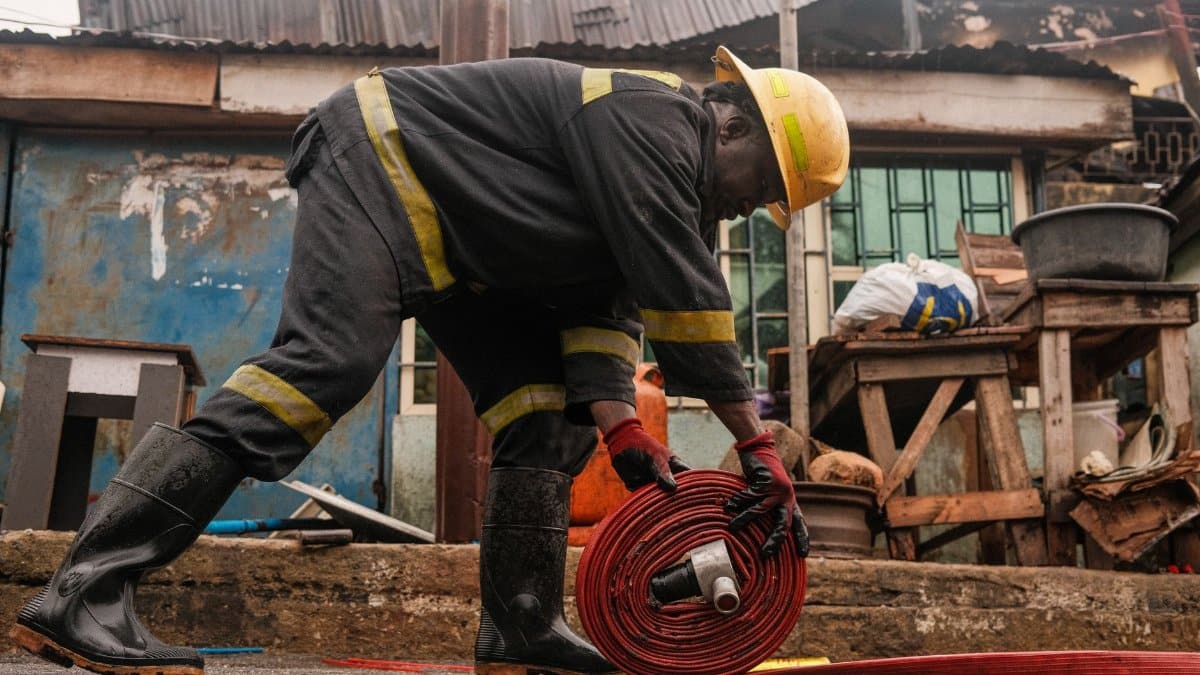
Local organizations quickly mobilized to support households dealing with the Edouard school closures. Churches opened their halls for study sessions and meal distributions. Volunteers coordinated through established channels to check on elderly residents who might need assistance with errands. These efforts revealed a steady undercurrent of mutual aid that surfaces whenever forecasts shift abruptly. Parents described trading shifts at home so that children could maintain some structure in their days. Such arrangements often rely on longstanding relationships built over years in the same neighborhoods.
Effects on Daily Education Routines
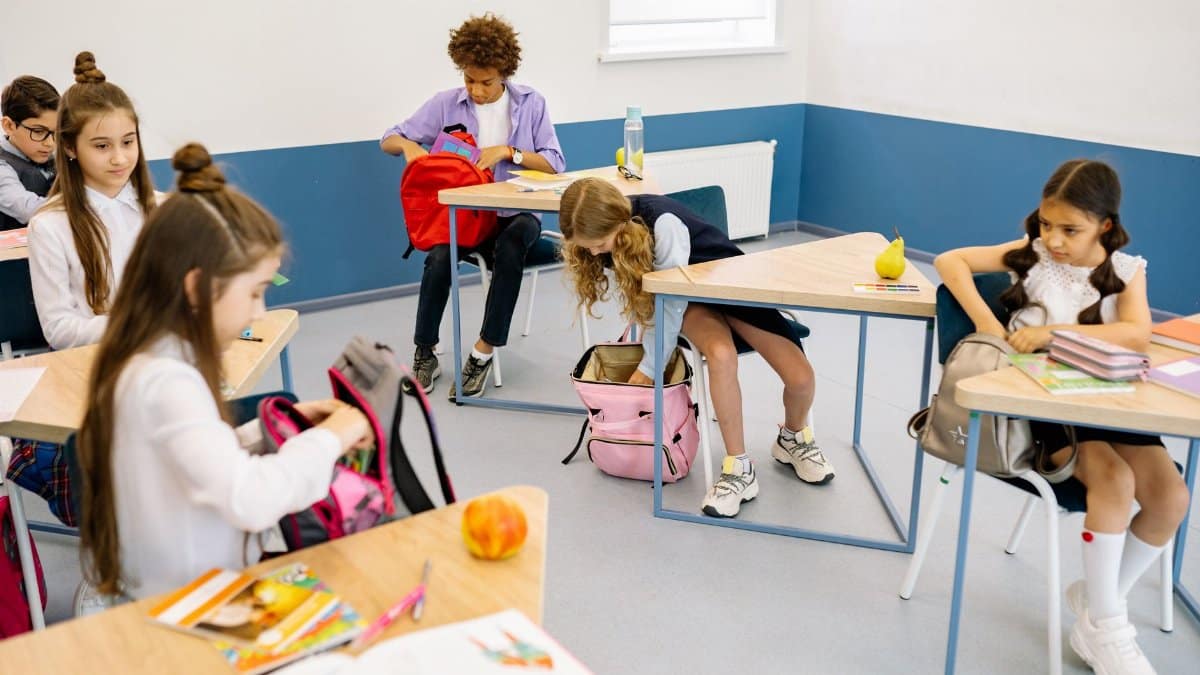
Teachers adjusted lesson plans to accommodate the pause caused by the Edouard school closures. Some distributed digital packets ahead of time while others waited to see how long the break would last. Students missed opportunities for in person group projects and laboratory work that are difficult to replicate at home. Administrators noted that makeup schedules would stretch into the following weeks to keep academic progress on track. Families without reliable internet access faced added hurdles in staying current with assignments.
Role of Local Districts in Decision Making
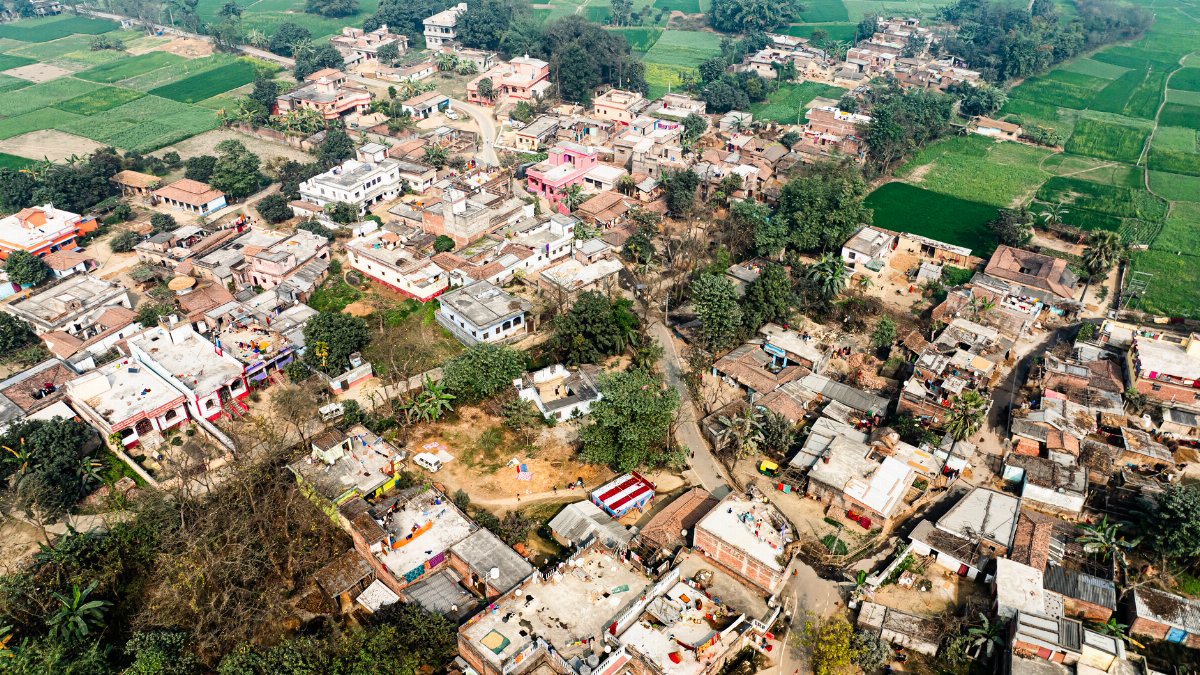
Conroe ISD and Willis ISD weighed road conditions and power reliability before canceling classes. Officials consulted weather updates and transportation reports to gauge risks for bus routes. Their choices reflected a priority on caution even when forecasts suggested the worst had passed. Similar deliberations occur across the region each time a storm approaches the upper Texas coast. The process involves input from multiple departments to ensure consistent messaging reaches every household.
Broader Patterns in Regional Preparedness

Seasonal storms have prompted Houston area districts to refine their notification systems over time. Alerts now reach parents through multiple channels including text and email. These improvements aim to reduce confusion during the first hours after an announcement. Yet gaps remain for households that move frequently or lack stable phone service. The Edouard school closures served as another test of these evolving procedures.
Family Adaptations and Shared Responsibilities

Working parents often leaned on relatives or neighbors when schools closed unexpectedly. Some workplaces offered flexibility for those suddenly managing children at home. Others arranged for children to join friends in supervised settings. These informal solutions filled voids left by formal schedules. Over repeated events, communities develop shared expectations about how to handle such days without formal declarations.
Long Term Implications for Student Progress

Repeated interruptions can accumulate and affect learning milestones. Districts track attendance data to identify where extra support might help students recover lost time. Counselors remain alert to signs of stress among younger learners who thrive on predictable routines. The recent Edouard school closures added one more variable to an already complex academic calendar.
Spiritual Dimensions in Times of Uncertainty

Faith communities often frame weather events as reminders of shared vulnerability. Congregations held brief gatherings focused on gratitude for safety and reflection on resilience. These moments provide space for families to process disruptions in a collective setting. Trends show increasing interest in such gatherings as ways to strengthen social bonds beyond any single storm.
Future Trends in School Planning

Education leaders examine each closure event for lessons that can inform future policies. Investments in remote learning tools have grown yet many still prefer traditional classroom settings. Discussions continue about balancing caution with the need to minimize lost instructional days. The Edouard school closures will likely factor into those ongoing conversations at the regional level.