
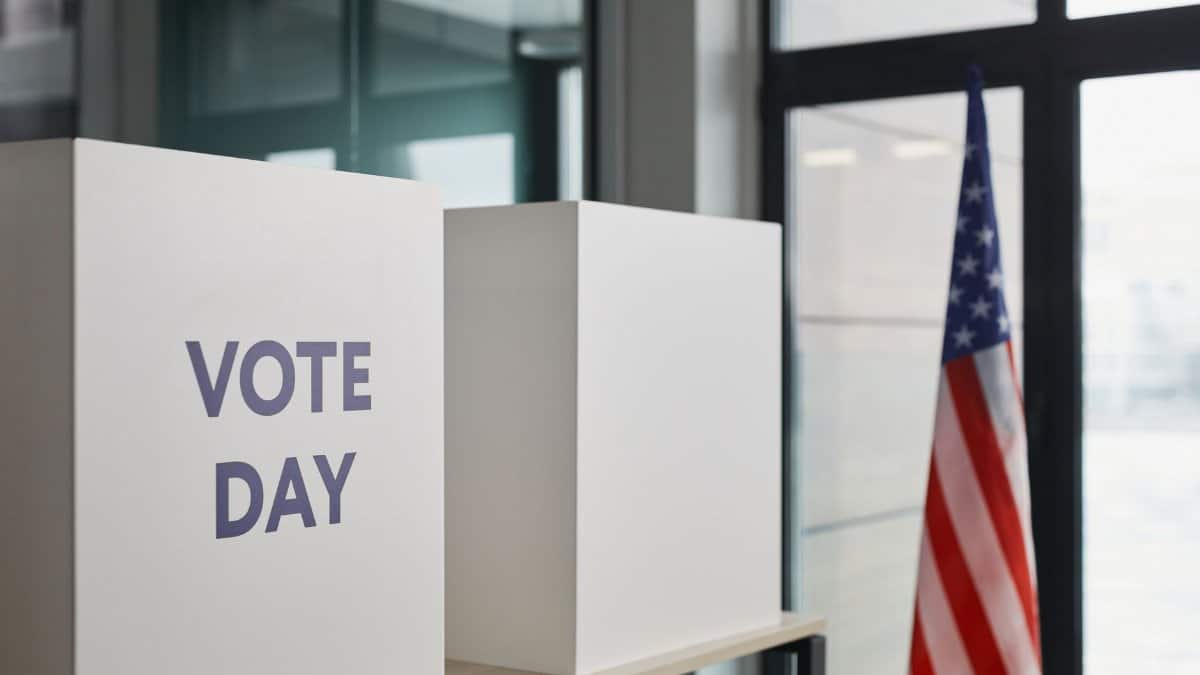
The House of Representatives approved a measure to keep federal operations running smoothly ahead of the upcoming elections. This action came months before the usual deadline and reflects efforts to steer clear of disruptions during a politically sensitive period. The government funding bill passed with bipartisan support in a move designed to provide stability for various public programs across the country. Lawmakers cited the need for predictability in an era of divided government where routine fiscal matters often become flashpoints.
Legislative Background And Timing

The decision to advance the continuing resolution in July rather than later in the year marks a notable shift from past patterns. Congressional leaders from both parties coordinated to finalize details well before typical fall deadlines. This approach aims to insulate essential services from the turbulence that often accompanies election cycles. Observers note that such early action can reduce uncertainty for agencies managing everything from infrastructure projects to public health initiatives.
Potential Effects On Public Services

Federal programs stand to benefit from the extended funding window through early December. Agencies responsible for transportation and environmental oversight can maintain staffing levels without fear of abrupt cuts. Local communities that rely on grants for education and housing assistance may experience greater continuity as a result. Analysts suggest this stability could prevent the kind of delays seen in previous cycles when short term agreements created administrative backlogs.
Political Calculations At Play

Majority leaders framed the vote as a practical step to focus on other legislative priorities once the measure cleared. Minority members expressed mixed views yet ultimately supported the package to avoid larger conflicts. The timing appears calculated to keep fiscal debates from overshadowing candidate messaging in the months leading to November contests. Such maneuvering highlights how budget procedures intersect with broader electoral strategies.
Broader Economic Implications

Markets reacted with relative calm following the passage as investors prefer predictable government operations. Contractors and small businesses that depend on federal payments welcomed the clarity provided by the extended timeline. Economic forecasters point out that prolonged uncertainty in spending levels can dampen growth in key sectors. The measure thus serves as a buffer against volatility in an already complex national economy.
Public Reaction And Media Coverage
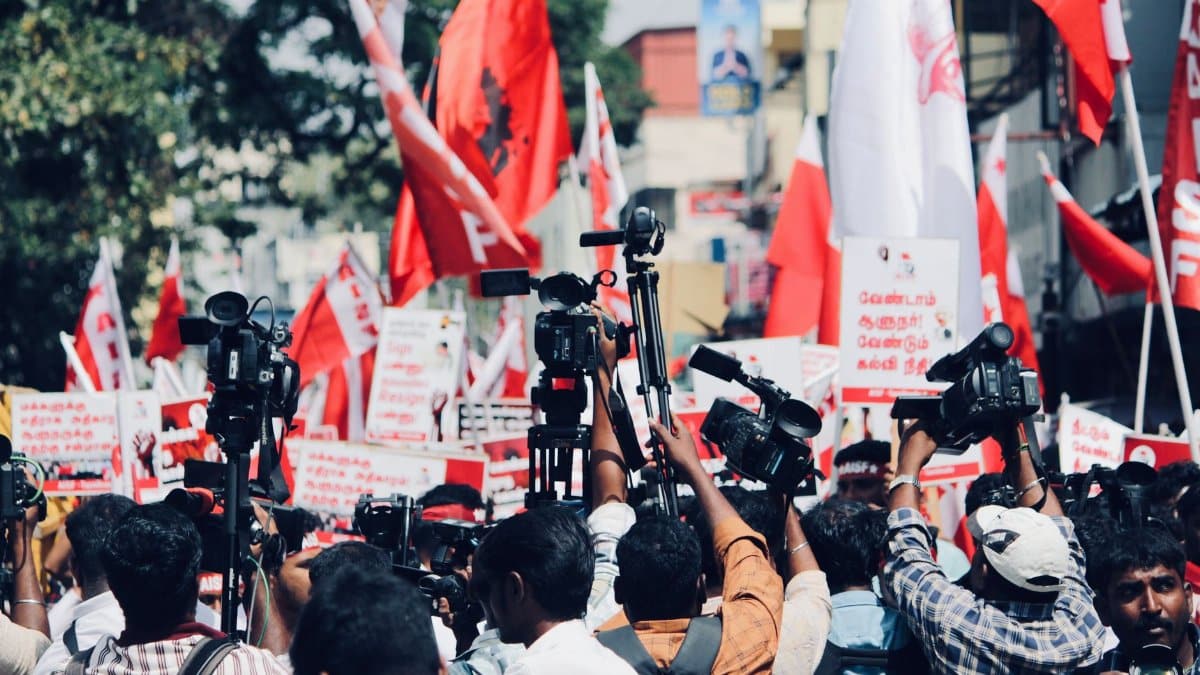
Citizen responses ranged from approval for the avoidance of crisis to skepticism about whether deeper reforms will follow. News outlets emphasized the unusual earliness of the action while noting its limited scope as a temporary fix. Community organizations tracking federal outlays prepared guidance for members on how the extension might affect grant applications. This coverage underscores ongoing public interest in how Washington handles basic governance tasks.
Future Outlook For Budget Negotiations

With the current resolution set to expire in December attention now turns to what comes next. Lawmakers will need to address longer term spending priorities once the election period concludes. Discussions are expected to resume around defense allocations and domestic program levels. The experience with this early vote may influence how similar measures are handled in subsequent years.