

On a weeknight when the House is in session, the lights in rented apartments around Capitol Hill stay on later than the tourist buses. Members eat takeout at small tables, answer constituent mail, and sleep a few miles from the floor they will return to in the morning. That ordinary routine now sits inside an extraordinary ledger. In 2025, House members were reimbursed nearly $7 million for living costs in Washington, according to figures reported by the Boston Globe. The program is known in plain language as Congress housing reimbursements, and it has become one of the least examined allowances in a building that argues about money for a living. More than 350 members claimed lodging and meals. No receipts were required.
The weeknight math of a second city

Serving in the House has always meant living in two places at once. Most members keep a home in the district because voters expect a neighbor, not a visitor who appears at parade season. Washington is the other half of the job. Hotels near the Capitol can run several hundred dollars a night when Congress is in town. A modest apartment can consume a large share of a household budget once rent, utilities, and groceries are added. Members who fly in on Monday and leave on Thursday still need a bed. Members from California or Alaska cannot reasonably commute. The result is a second set of ordinary bills in an extraordinary city. For years those bills came out of personal accounts. Some members slept in their offices, a practice leadership eventually discouraged. Others shared houses. A few were wealthy enough not to notice. The repayment program was sold as a way to make the job possible for people who are not rich, without raising the salary that voters see on a campaign mailer.
What the repayment actually covers
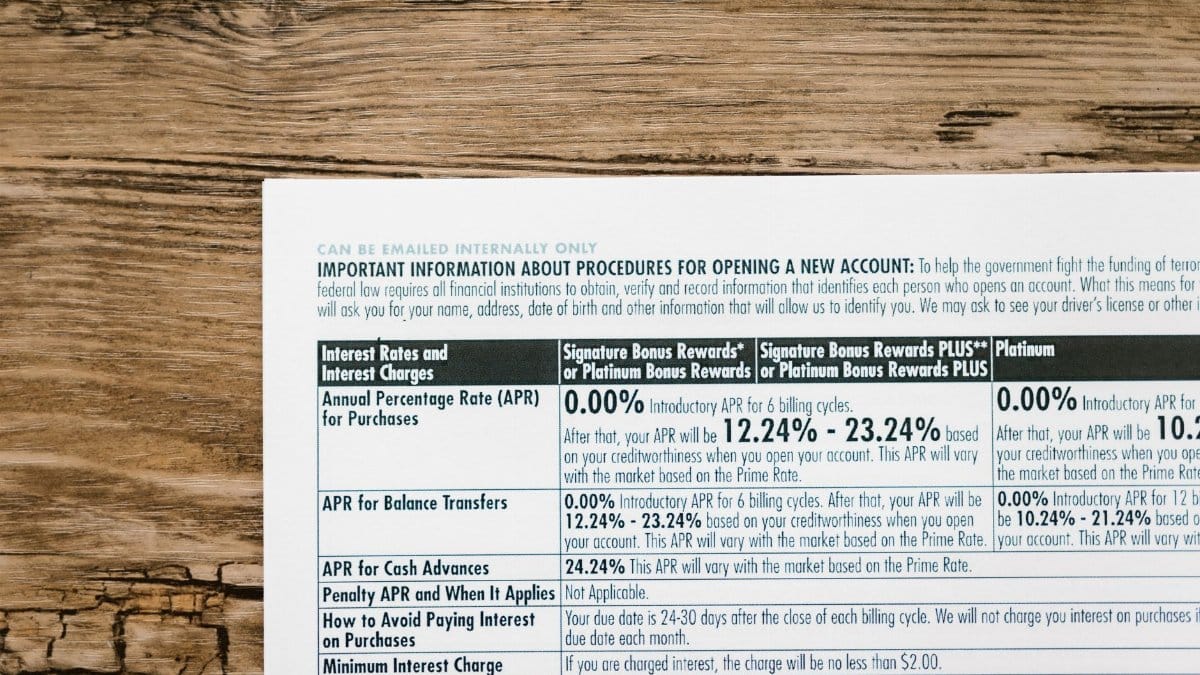
Congress housing reimbursements are not a separate paycheck. They are repayments drawn from the member representational allowance, the same account that pays staff and keeps a district office open. In 2023 the House changed its expense rules so members could seek repayment for lodging, food, and related costs tied to official business in Washington. Sponsors described a fix for people squeezed by two residences, not a new entitlement to live well. The design was meant to cover a night required by session, not a vacation, a family reunion, or a real estate strategy. Rent and a mortgage do not look the same on a ledger, and that difference has been a sore point from the start. Rules have tried to keep the benefit tied to official presence in the capital. Whether every claim honors that line is exactly what missing paper makes hard to know. A ceiling on the account is not the same thing as a definition of a proper night.
Nearly $7 million, and who claimed it

The Boston Globe tally is the number that should focus the argument. Nearly $7 million in a single year is not large beside a federal budget measured in trillions. It is large beside the story members tell about sacrifice. More than 350 House members put in claims. That is most of the chamber. Participation that wide suggests the program is no longer a hardship exception. It is normal. Lodging and meals were the heart of the claims. Names and amounts, where published, will matter more than the total, because voters judge their own representative, not an average. A member from an expensive district and a member from a cheaper one do not face the same Monday night bill. A flat total hides that. Still, a sum near $7 million, spread across hundreds of offices, is enough to ask whether the House has built a quiet raise and declined to call it one.
Receipts, trust, and a thin paper trail

The detail that will travel farthest is the absence of receipts. Congress housing reimbursements, as described in the Globe account, did not require members to attach the hotel bill or the grocery slip that a staffer must often produce for a taxi. Certification stood in for paper. Supporters say members already live under ethics rules, that piling invoices onto a small administrative staff wastes time, and that the allowance has a ceiling. Critics answer that ceilings without documentation invite rounding up. Trust in Congress is not a surplus item. Asking the public to accept an honor system for meals and lodging, while that same public itemizes deductions on a tax return, is a hard sell. Transparency does not require publishing every sandwich. It does require a record that an auditor, a reporter, or a rival can check. An honor system works only when the people extending the honor still believe the institution earns it.
A salary frozen while rents climbed

There is a fair version of the members’ complaint. Base pay for rank and file House members has sat at $174,000 since 2009, a figure listed for years in official compensation tables on the House website. Party leaders earn more. The Speaker earns more than that. None of those amounts has moved with rent in the neighborhoods within an easy ride of the Capitol. A household trying to keep a residence in the district and a modest place in Washington can feel the squeeze, especially with children, student debt, or a spouse who cannot easily move a job. Refusing to raise the salary while quietly repaying living costs is a political choice. It lets members say they blocked a pay increase. It also moves the increase into a category fewer voters read. That is not the same thing as thrift. A frozen number on a mailer can conceal a rising number in an expense account.
Staff, travel, and the same pot of money

The money does not appear from a new appropriation with its own hearing. It comes out of the member representational allowance, the account that also pays aides, district rent, paper, and travel home. When lodging claims rise, something else in that account has less room, unless the allowance itself grows. Staff pay in many offices already lags private sector and executive branch wages. If a member repays a Washington apartment and then tells a legislative assistant that the office cannot afford another thousand dollars a year, the moral picture changes. The allowance was built to run an office, not to duplicate a housing benefit. Using it for both can be legal and still be a poor trade. Voters who care about casework and local offices have a stake in that trade, even if they never book a hotel on Capitol Hill. A dollar spent on a second kitchen is a dollar not spent answering the mail from home.
The argument for staying close to the floor

Not every defense is cynical. A member who can afford to be in Washington on a Tuesday night is more likely to vote, to sit in a hearing, and to negotiate in person. The pandemic years showed how thin a remote Congress can feel. Lodging support can keep the chamber from becoming a club for heirs and fundraisers. That argument deserves a straight answer rather than a sneer. The answer is not to abolish the idea of paying official costs. The answer is to define official costs in public, cap them in a way a constituent can understand, and separate them from the salary debate instead of hiding them inside it. A readable rule would say what a night of lodging may cost, what a day of meals may cost, and what happens when a member is absent. Clarity is not hostility to service. It is the price of asking strangers to pay the bill.
What a clearer standard would look like

Reform does not require a scandal with a yacht. It requires the House to treat Congress housing reimbursements the way it tells agencies to treat travel. Publish totals by member, on a schedule, in a format that can be downloaded. Require receipts above a modest threshold, and keep them for audit even if they are not all posted online. Ban repayment of costs that look like ownership, investment, or family hospitality. Set a daily cap indexed to a public federal travel rate rather than to whatever the market will bear in a pinch. And have the conversation about salary in daylight, through Congress itself, instead of through a side door in the allowance. If the job costs more than $174,000 to perform honestly, members should say so and vote. If it does not, the claims should shrink to the nights when session truly demands a bed in the capital.
Nearly $7 million is not the fall of the republic. It is a test of whether the House still knows the difference between a cost of doing the people’s work and a cost it would rather not explain. The chamber writes rules for every other part of the government. It can write one for its own weeknights. Voters do not begrudge a bed. They begrudge a shrug. A public ledger, a receipt, and a cap would not make Washington cheap. They would make the bill legible. In a season when almost every institution is suspected of helping itself, legibility is a form of respect. The House can offer that respect without pretending that rent is free, and without asking the country to take the math on faith.