
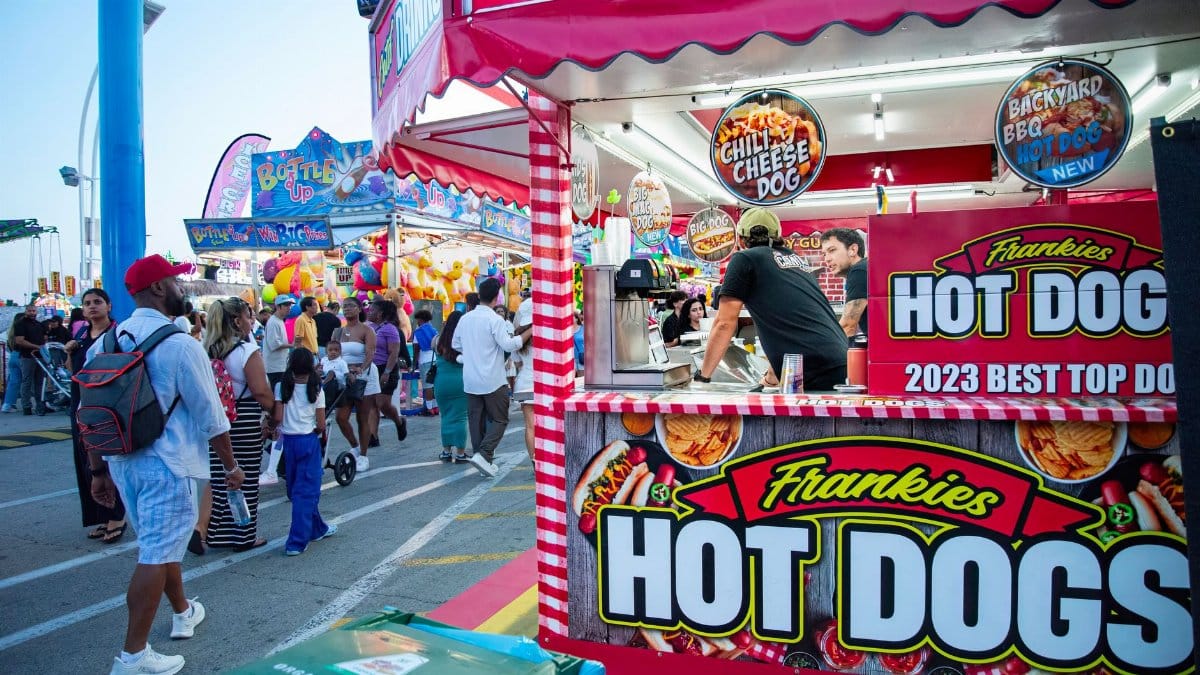
The line for fried food had not thinned, even as the pavement threw heat back at every ankle. A woman held a paper cup of ice against her wrist and watched a child negotiate for one more ride ticket. Overhead, the sky was hard and pale, more August than the date on any phone. Forecasters had already named the weekend for what it was, a last hard push of summer before cooler air could claim North Texas. Dallas State Fair heat did not feel like a headline so much as a condition of the grounds, present in the metal rails, the slow walk between tents, and the decision to sit a little longer in whatever shade a booth could spare.
A fair that still feels like August
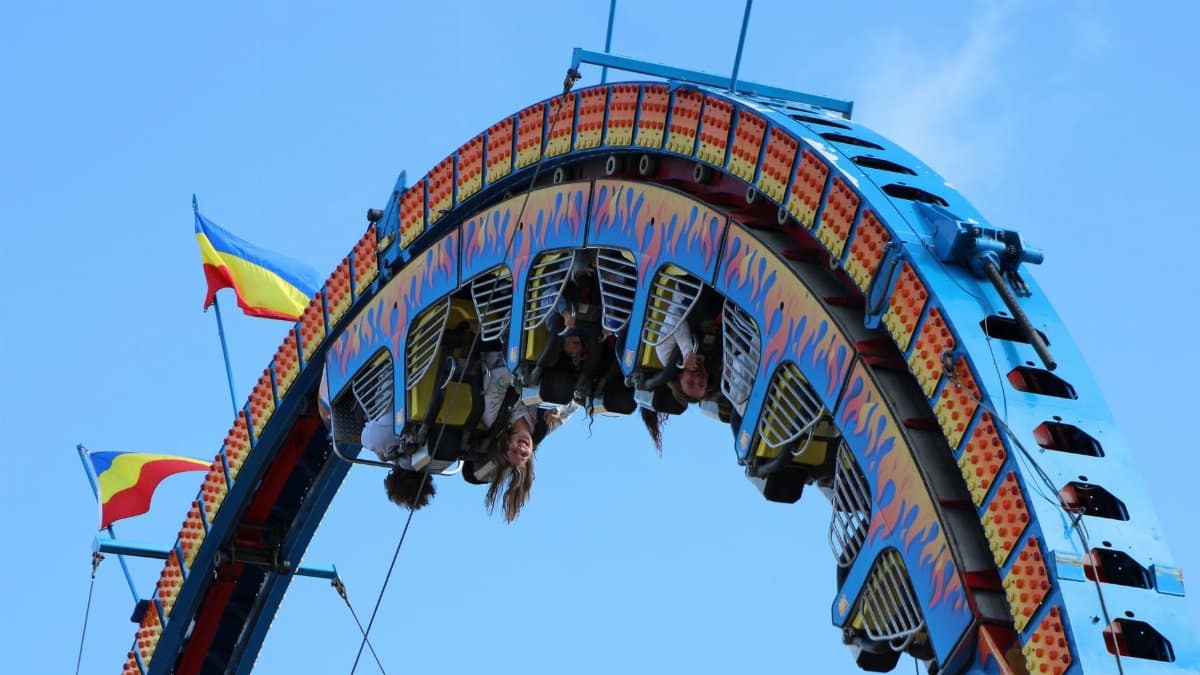
The State Fair of Texas is built on the promise of a season turning. Leaves are supposed to loosen. Evenings are supposed to ask for a light jacket. This weekend refused that script. Highs near 94 to 96 degrees, the range the National Weather Service has been advertising for Saturday and Sunday, keep the midway in full summer dress. People still come, because the fair is a date on the family calendar as much as a weather event. They come in shorts, with extra water, and with a private calculation about how long a child can last between the carousel and the livestock barns.
That calculation is the real story on the grounds. The rides still turn. The loudspeakers still call out specials. But the pace changes. Couples who might have walked the length of the fair in one sweep now break the day into pieces. They claim a bench. They watch the crowd instead of joining every line. Heat does not empty Fair Park. It edits the visit.
What the forecast is actually saying
The National Weather Service office that covers Dallas and Fort Worth has described this stretch as the last gasp of summer heat, with Saturday and Sunday the peak before a gentler pattern tries to arrive. Highs in the middle 90s are not a record in isolation. They are notable because of the calendar. October in North Texas can still burn, and longtime residents know that a cool morning in late September does not sign a contract for the weeks that follow.
Humidity is the quiet partner in the forecast. A dry 95 can feel stern but manageable. A humid 95 sits on the skin and slows the walk between exhibits. Forecasters have urged the usual cautions: limit the hardest exertion in the early afternoon, seek shade, and do not trust thirst as the only signal that the body needs water. Those are plain instructions. At a fair they become a kind of etiquette, passed from one group to the next in line.
Readers who want the official wording can check the local forecast at weather.gov/fwd. The point is not a single number. It is the persistence of heat across two full fair days, when people are outside for hours rather than for a commute.
How Dallas State Fair heat changes the walk
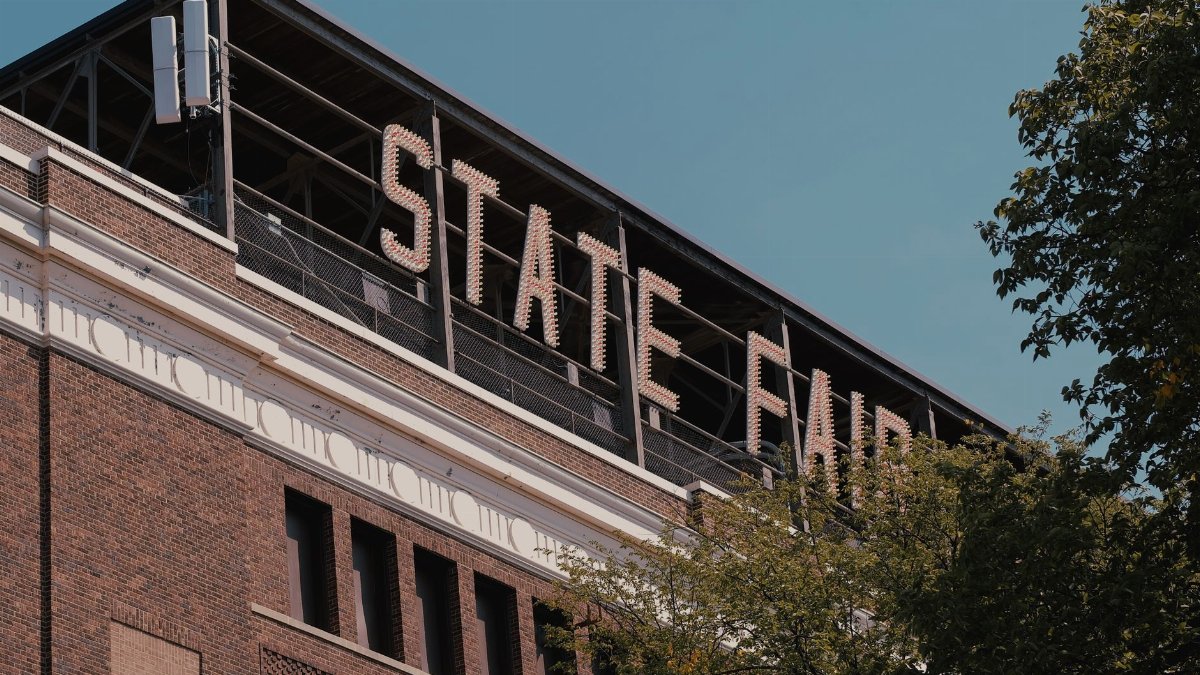
Dallas State Fair heat is not a surprise to people who have done this for years. It is a tutor. It teaches visitors to start earlier, to treat the livestock shows as a cool interval, and to save the open stretches of the midway for later, when the sun drops behind the big structures and the pavement finally gives a little back. Parents rearrange the order of rides. Teenagers, who would rather not admit fatigue, start looking for the longest indoor line they can find.
The grounds offer uneven mercy. A barn is a relief until the crowd packs the aisle. A food hall is cooler than the street and warmer than a person hopes. Shade from a ride structure moves, and the bench that was kind at noon is exposed by two. People learn the map by temperature as much as by attraction. That knowledge is local and practical, the sort of thing an aunt shares without making a speech.
Food, shade, and the bargains people make
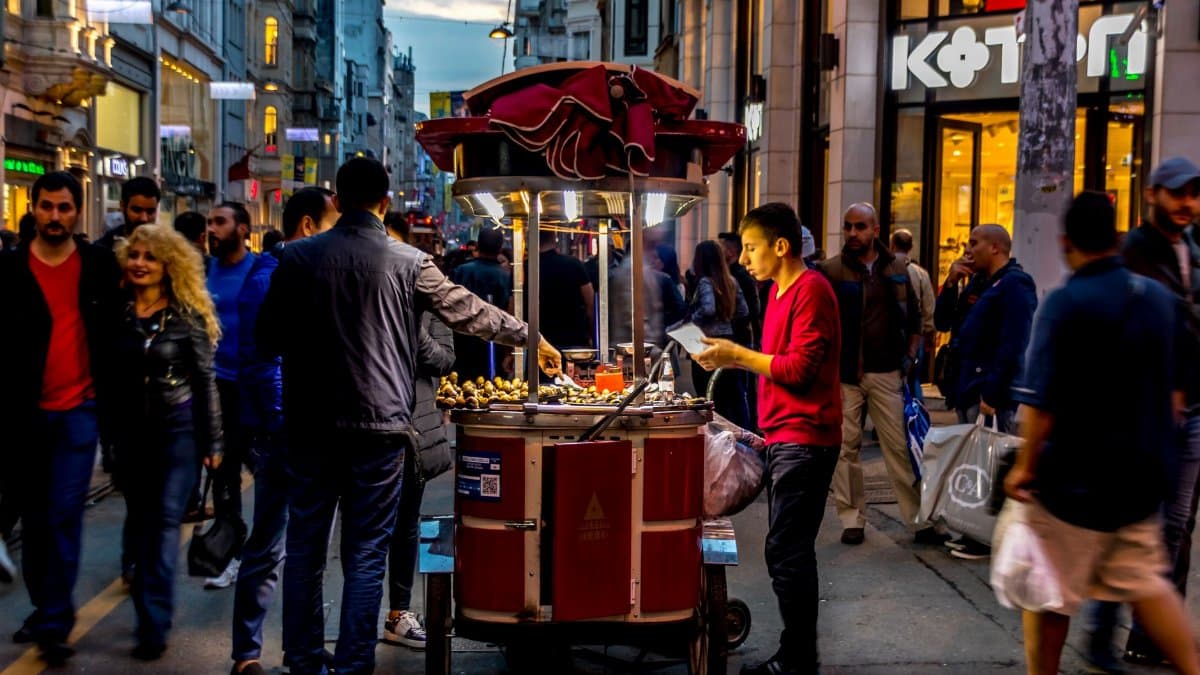
Under Dallas State Fair heat, a plate of food becomes a small logistics problem. Fried dishes are the fair’s public language, and nobody expects the menu to become a salad bar because the thermometer climbed. What changes is timing. Visitors eat, then sit. They share a lemonade and argue, gently, about whether to do one more exhibit or call the day a success. The bargain is not only with the sun. It is with the people they came with, whose stamina does not always match.
Vendors feel the same arithmetic. A worker on a concrete pad for an eight hour shift is not on holiday. Fair employment in hot weather depends on breaks, water, and managers who treat fatigue as a safety issue rather than a personal failing. Visitors can help without ceremony: step out of a narrow aisle, do not crowd a window when the line can wait, and notice when someone behind a counter looks wrung out. Courtesy is not a weather policy. It is what a crowd can still control.
Children, elders, and the hours that matter
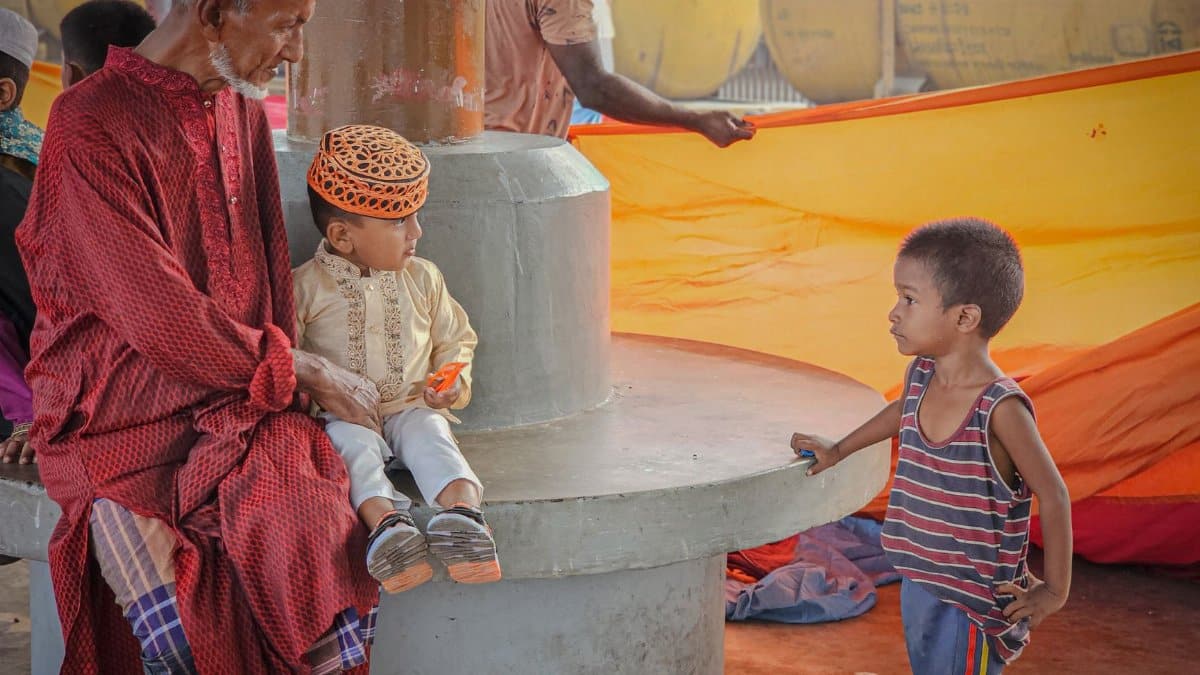
Heat does not fall evenly. A healthy adult in a ball cap can misread the risk and still get home. A toddler, an older visitor, or anyone on medication that affects sweating has a narrower margin. Pediatricians and emergency physicians repeat the same counsel every hot fair season: watch for flushed skin, unusual irritability, headache, and the moment when a child stops wanting to play. Confusion, nausea, or a sudden stop in sweating are reasons to get to a cool place and to seek medical help, not to push through one last ride.
Families who do this well tend to be unromantic about it. They set a leave time before they arrive. They pack more water than pride suggests. They let a grandparent sit out a loop and rejoin later. The fair will still be there next year. A bad afternoon in the heat is a poor souvenir.
Why fall keeps missing its cue
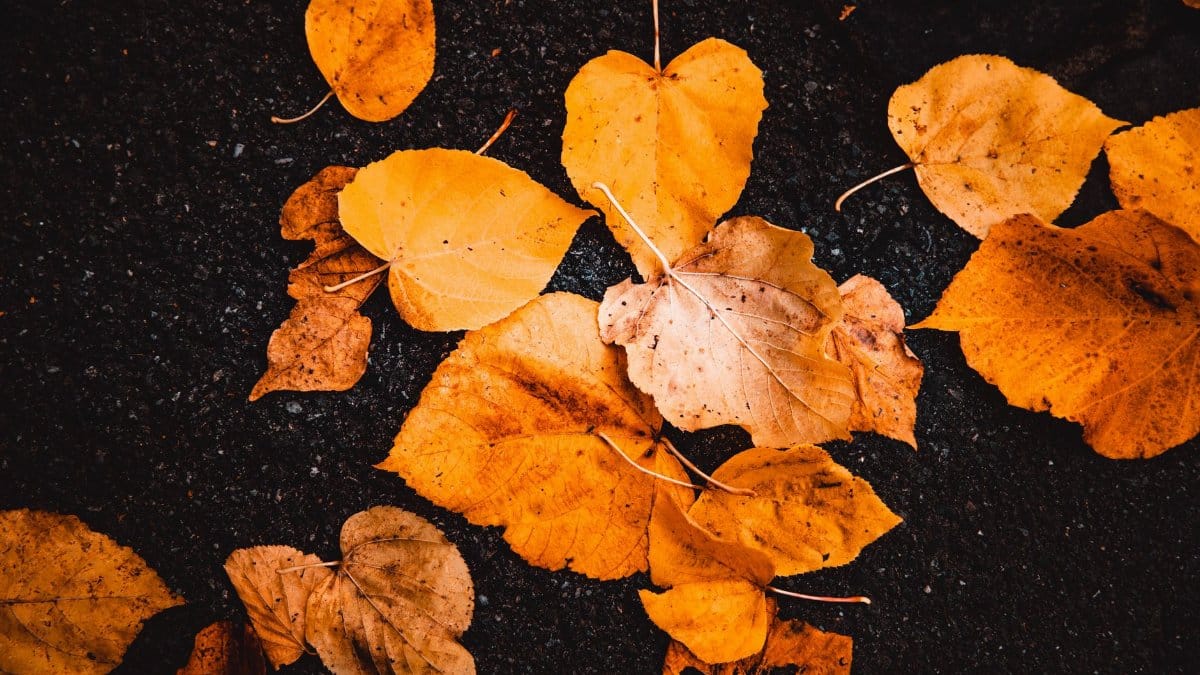
North Texas autumn has always been a negotiation. Cold fronts slide down the plains, stall, and try again. A weekend in the middle 90s in early October fits that history, even when it frustrates people who have already stored the summer clothes. Climate scientists have documented a lengthening warm season across much of the southern United States, with more days above historical heat thresholds. That larger pattern does not turn one fair weekend into a proof by itself. It does explain why “it will cool off any day now” has become a less reliable family saying.
The pattern behind Dallas State Fair heat is therefore both immediate and familiar. A strong ridge of high pressure holds storms and cooler air to the north. Sunshine reheats pavement that never fully rested overnight. Nights stay mild enough that the next day starts ahead. None of that requires a dramatic storm to feel consequential. It only requires thousands of people choosing to be outside together.
Gathering anyway, with a different kind of attention
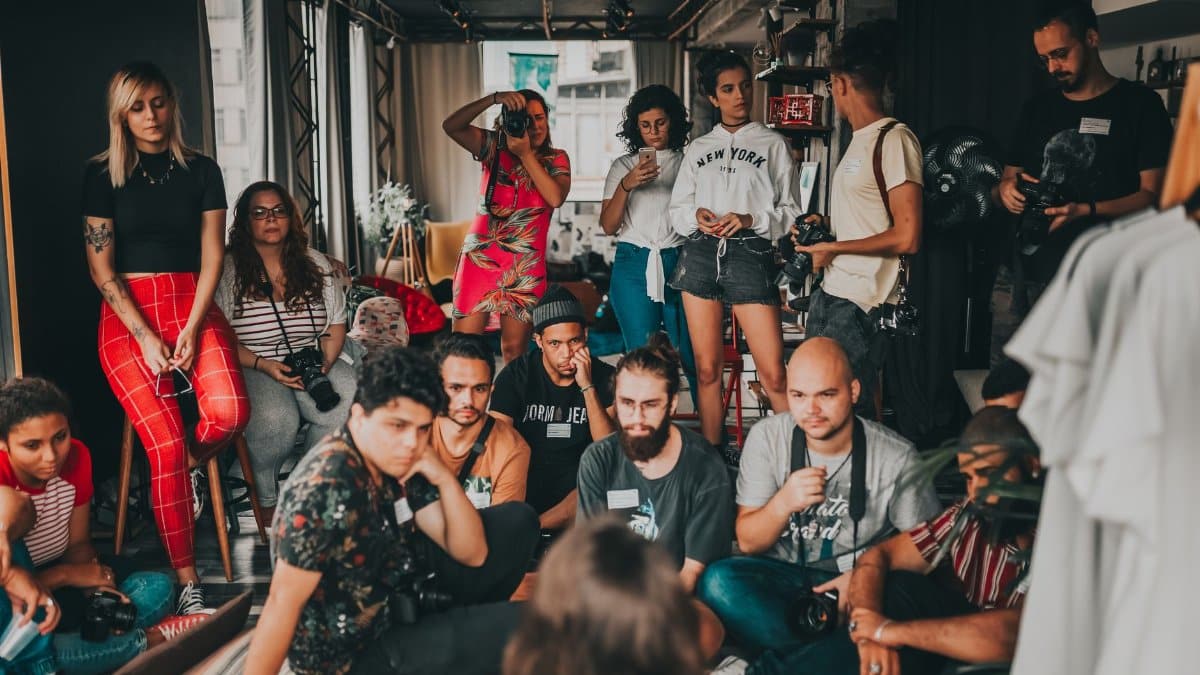
The fair is a civic ritual as much as an amusement. Churches, neighborhood groups, and school clubs still book buses. Some congregations near Fair Park treat the hot weekend as a prompt for practical care rather than a reason to cancel: extra water in the church van, a reminder from the pulpit to check on older members who planned to go, a youth group assigned to watch the youngest kids in the sun. That is a spiritual habit in ordinary clothes. It is attention paid to the body of the person next to you.
People talk about Dallas State Fair heat the way they talk about traffic, with complaint and affection mixed. The complaint is honest. The affection is why the gates stay busy. Standing in a slow line, sharing a bench, waiting out the worst hour of sun, visitors practice a small patience that the rest of the year does not always reward. The fair does not become a retreat. It does become a place where strangers negotiate space with a little more care, because everyone can feel the same sky.
What the next days may bring
Forecasters expect the hardest heat to loosen after the weekend, though North Texas rarely flips from summer to sweater weather in a single night. A modest drop still matters. Ninety degrees and a breeze is a different fair than 96 and still air. Visitors planning Monday or later in the week should read the morning update rather than trust a group text from Friday. Clouds, a wind shift, or a late day storm can change the feel of the grounds faster than the carnival schedule changes.
Until that shift arrives, the sensible plan is dull and effective. Go early. Drink before thirst becomes urgent. Trade a second hour on open pavement for time in a barn or a hall. Leave while the day is still pleasant enough to remember. The State Fair does not need perfect weather to do its old work of pulling the city into one noisy place. It does need visitors who respect the heat they walked into.
A season that arrives late, not cancelled
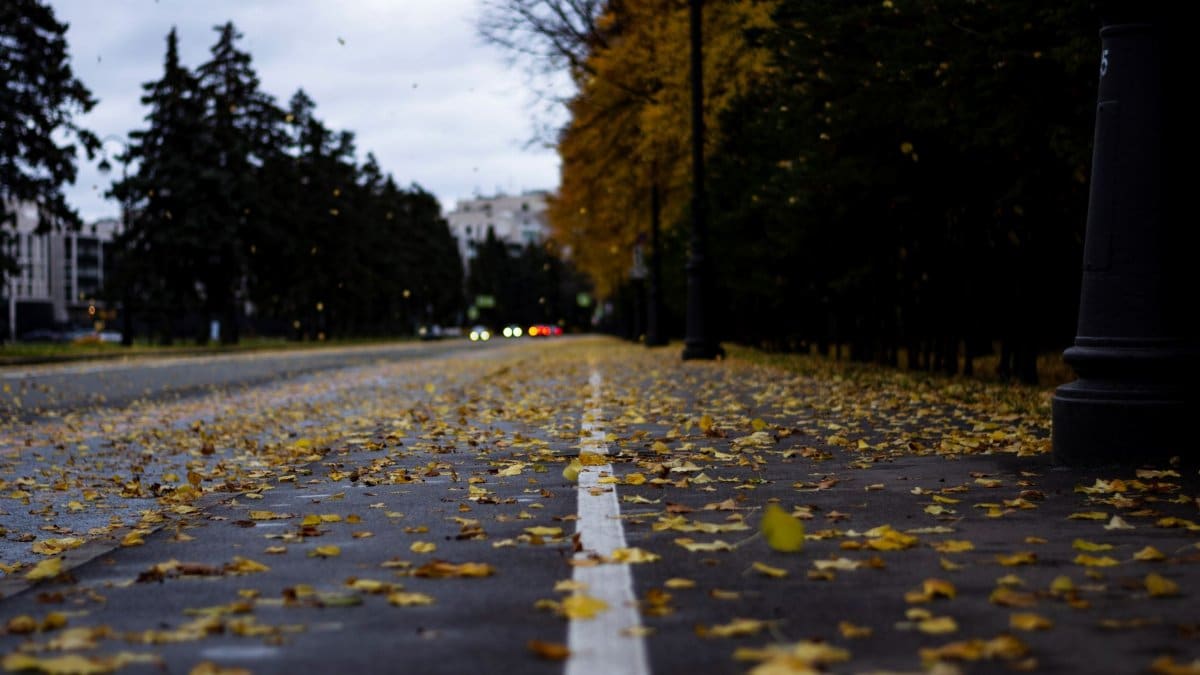
Fall in Dallas is often late, and then sudden. One week the fair smells like oil and sugar under a white sun. The next, a front cleans the sky and people pretend they knew it all along. This weekend belongs to the first chapter. The rides will keep their paint. The livestock will keep their ribbons. The heat will keep its appointment, and then, if the longer forecast holds, it will step aside.
That is a modest hope, and a useful one. A city that gathers outdoors in the middle 90s is not confused about the month. It is stubborn about the tradition, and a little wiser if it treats the sun as a fact rather than an insult. The cooler days will be sweeter for the wait. They are not here yet. The fair is.