
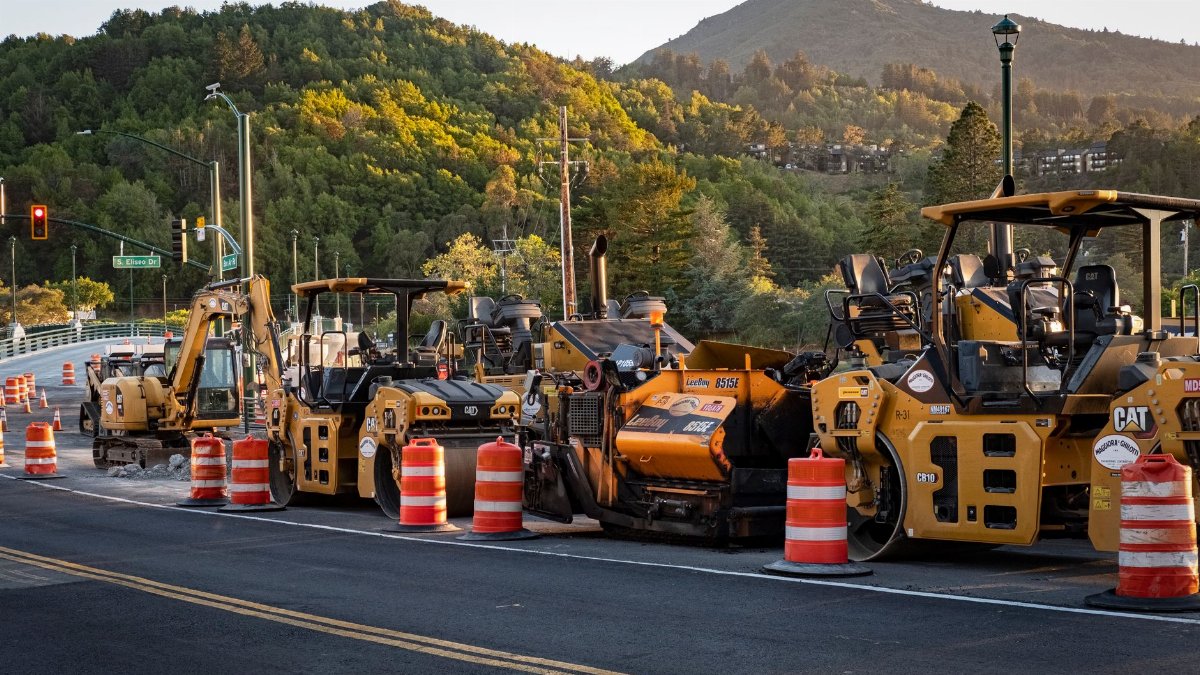
In the chambers of local government on August 6 2026 a routine meeting took an unexpected turn when officials in Hobart Indiana approved a detailed traffic plan tied to a proposed Hobart data center. The decision came after months of discussion about how increased vehicle movement might affect nearby roads and neighborhoods. Residents who attended the session raised questions about safety and daily commutes while developers presented maps showing new access routes and signal adjustments. The approval marks one step forward for the project yet leaves many details about construction timelines and long term effects still unresolved. Observers noted that the board aimed to balance growth with practical concerns over road capacity in this northwest Indiana community.
Background on the Proposed Project

The site under review sits along a corridor already used by industrial traffic. Planners described the Hobart data center as a facility that would require reliable power connections and efficient entry points for equipment deliveries. City records show the land was zoned for such use several years ago though actual building permits remain pending further review.
Details of the Approved Traffic Plan
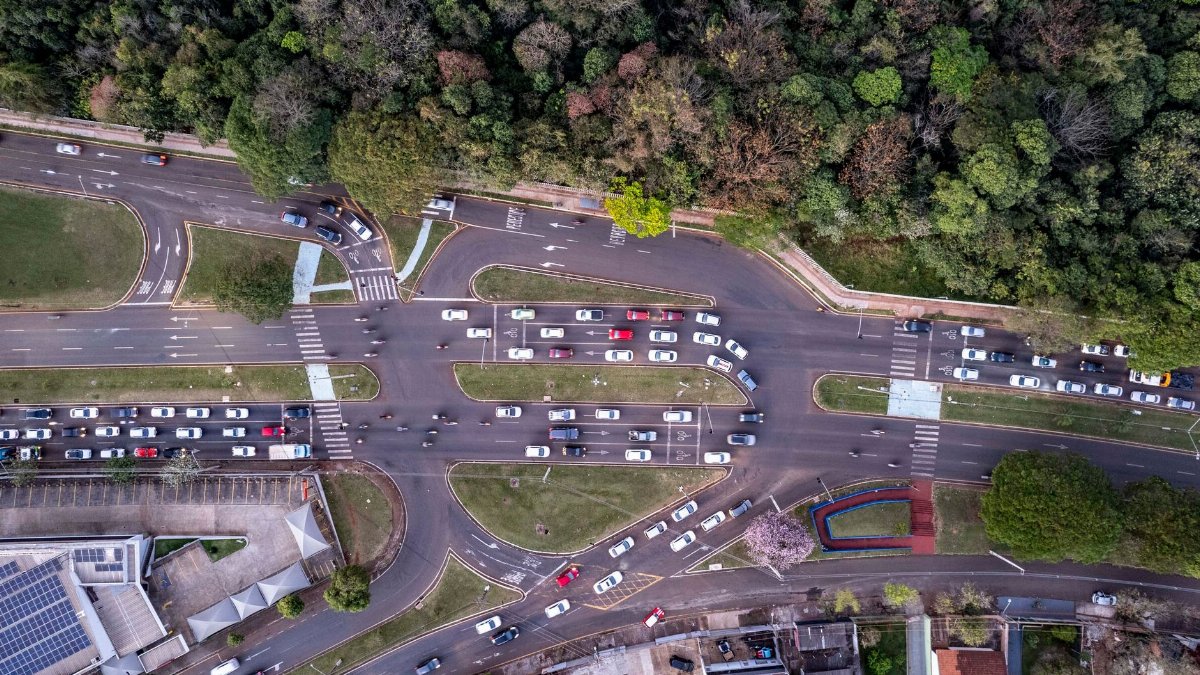
The plan calls for added turning lanes at two key intersections along with timed lights to ease flow during peak hours. Engineers emphasized that these changes would handle an estimated rise in daily vehicle trips once the facility opens. Officials stressed that the measures draw from traffic studies conducted earlier in the year.
Community Reactions and Concerns

Some neighbors expressed relief that the board addressed potential bottlenecks early. Others voiced worry that even improved roads might not prevent backups during shift changes at the site. Local business owners wondered aloud about effects on customer access to nearby shops and services.
Infrastructure Demands in the Region
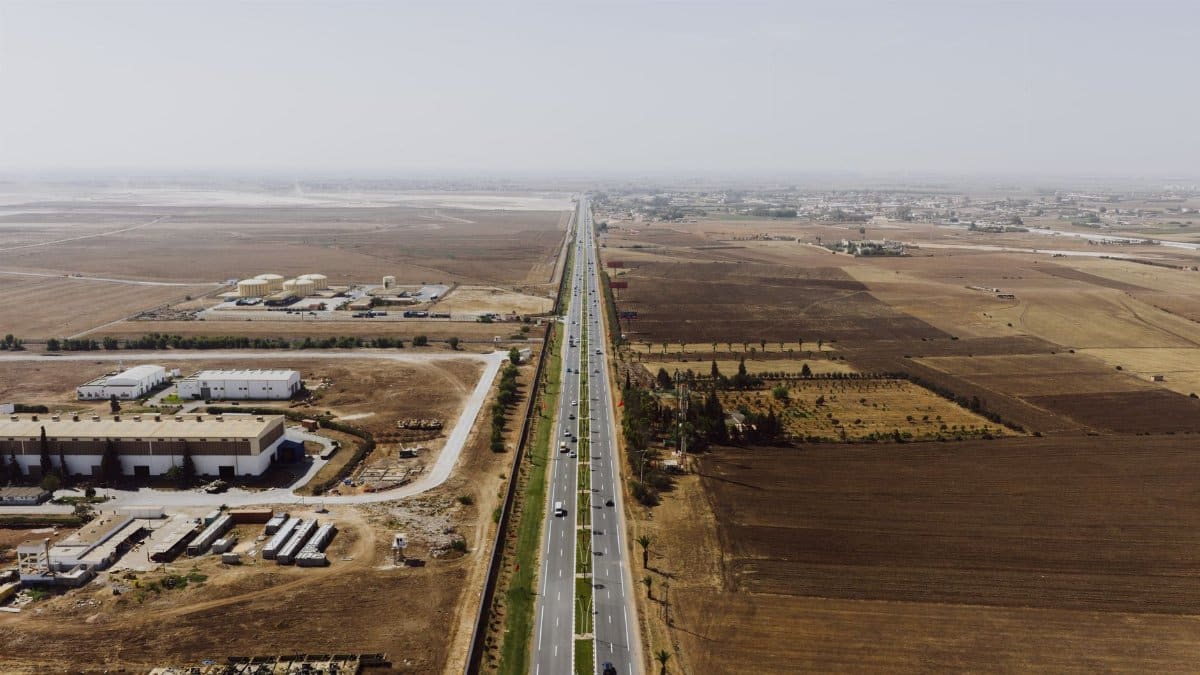
Hobart like many growing suburbs faces pressure to upgrade older roadways built for lighter use. The data center project highlights needs for better drainage along with pavement reinforcements to support heavier loads from construction vehicles. Public works staff indicated that funding sources for these upgrades are still under discussion.
Economic Considerations for Local Residents

Supporters point to possible job creation during both construction and operation phases. They argue that the Hobart data center could bring new tax revenue to support schools and parks. Skeptics counter that benefits might concentrate among a small group while costs fall on everyday taxpayers through road maintenance.
Environmental Factors at Play

Questions about energy consumption and water use surfaced during public comment periods. Advocates for the project noted efforts to incorporate efficient cooling systems that reduce overall resource demands. Monitoring plans were mentioned as a way to track impacts on air quality once operations begin.
Comparisons with Similar Developments

Nearby communities have faced parallel situations when large facilities arrived. In those cases traffic adjustments helped but required ongoing adjustments based on real world usage. Hobart leaders said they studied those examples when shaping their own approach.
Next Steps in the Approval Process

With the traffic plan now in place attention turns to environmental reviews and final engineering reports. The board scheduled follow up sessions to review progress on those fronts. Developers indicated they hope to break ground within the coming year if all clearances are secured.
Role of Public Input in Decision Making

Residents who spoke at the meeting described a sense that their voices shaped specific elements of the traffic plan such as pedestrian crossings. Officials pledged continued opportunities for feedback as construction details emerge. This openness reflects a broader effort to keep the process transparent.
Outlook for Growth in Hobart Indiana

The approval signals a willingness to accommodate technology driven projects while managing their side effects. How the Hobart data center integrates into daily life will depend on how well the traffic measures perform once implemented. Local leaders expressed cautious optimism about the balance achieved so far.