
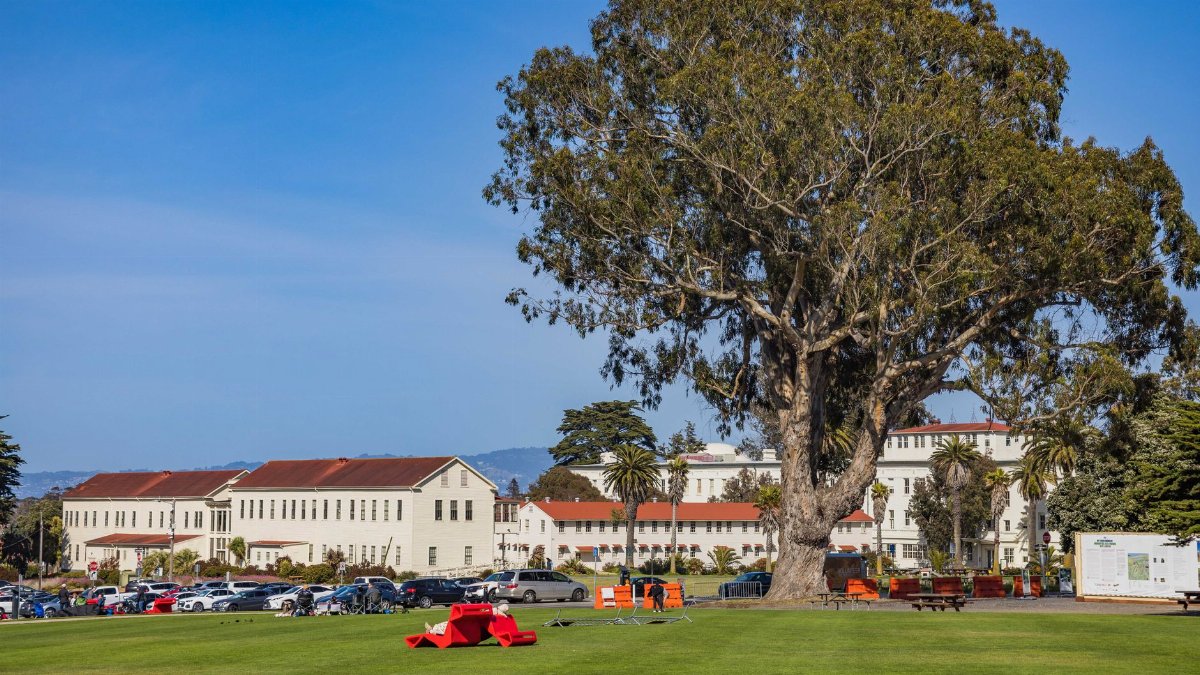
In the Marina District of San Francisco a quiet corner near the local Safeway holds more than just everyday errands. It shelters a structure shaped decades ago by one of the first women to shape American architecture on a grand scale. The Julia Morgan campus now faces a new chapter as partners work to keep its character while adding space for senior living. This effort brings together preservation rules city planners and housing advocates in ways that reflect broader shifts in how older buildings serve changing populations.
Architectural Roots Of The Site

The design elements reflect careful attention to light and space typical of early twentieth century work in California. Original features such as arched entries and tiled details remain intact under current ownership. Restoration teams have studied similar projects to ensure updates respect the initial vision without modern intrusions that could clash.
Transition To Senior Housing Use

City approvals now allow conversion of underused sections into apartments suited for older adults. Units will include safety modifications like wider doorways and ground level access. The goal centers on creating homes that support independent living while offering shared areas for meals and activities.
Partnership Between Developers And City Officials

A coalition formed after months of discussions involving the property owners and local agencies. Funding combines private investment with public grants aimed at affordable options for seniors. This model has appeared in other districts where historic assets meet pressing housing shortages.
Benefits Of Proximity To Daily Services

Residents will gain easy reach to grocery stores pharmacies and transit lines without relying on cars. Such placement reduces isolation risks common among older populations in sprawling urban zones. Planners note that walkable access encourages daily movement and social contact.
Preservation Rules Guiding Changes

Strict guidelines from historic commissions require retention of key facades and interior motifs. Any additions must use materials that echo the original palette and scale. Reviews continue at each construction phase to maintain compliance throughout.
Community Reactions And Input Sessions
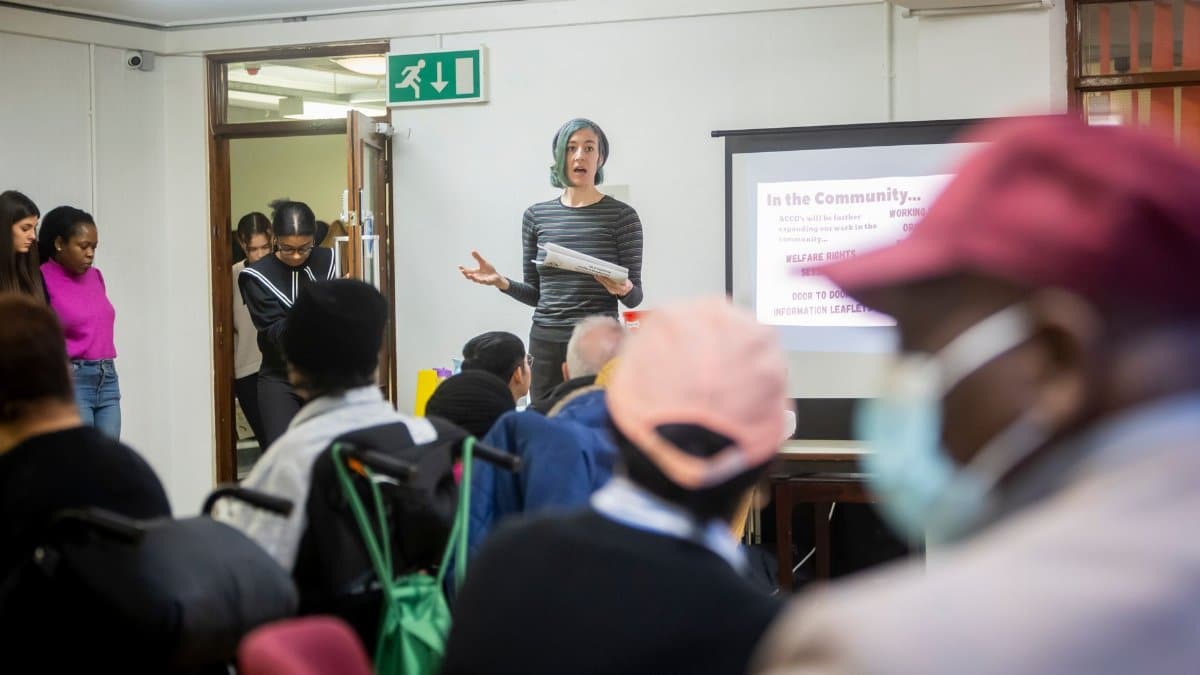
Public meetings drew neighbors concerned about increased density yet supportive of housing for seniors. Feedback shaped details such as green spaces and noise buffers along street edges. Organizers report broad agreement on the value of keeping the structure standing rather than replacing it.
Julia Morgan Campus Role In Broader Trends
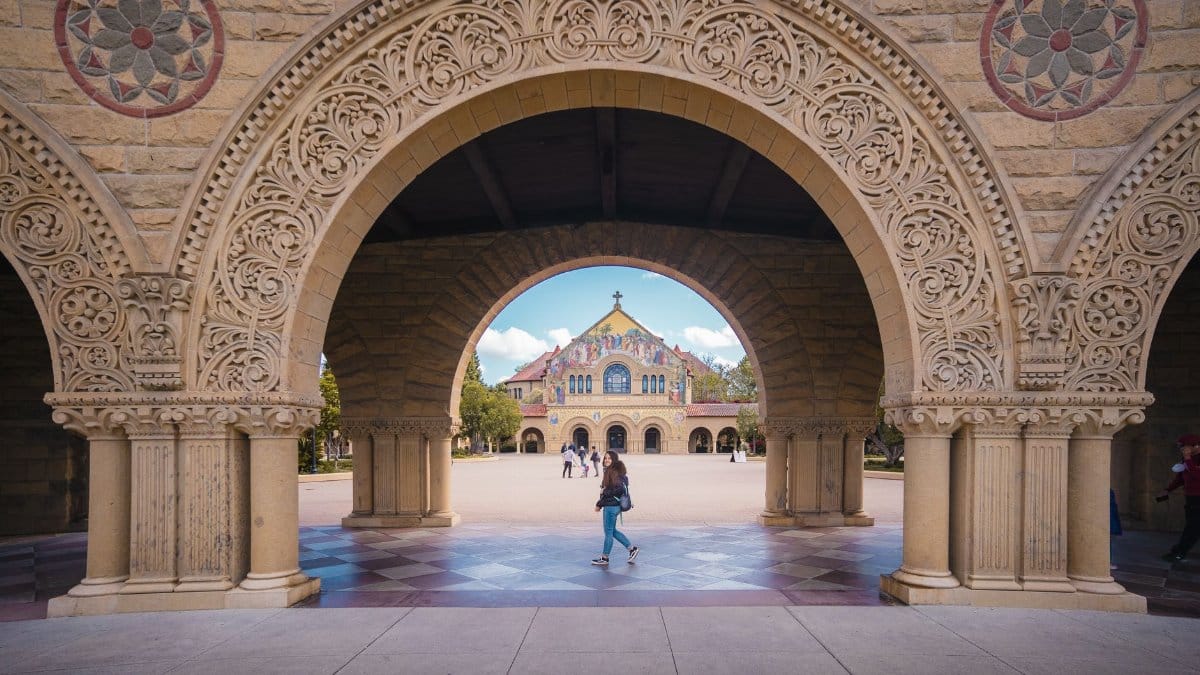
Similar campuses across the region attract interest as models for adaptive reuse. The approach shows how landmark buildings can address contemporary demands without erasure of their past. Advocates point to rising demand for senior options as demographics shift steadily.
Long Term Outlook For The Area

Completion is projected within three years pending final permits. Once finished the site could serve as an example for other neighborhoods balancing history and growth. Ongoing maintenance plans aim to sustain both the building and its new purpose for decades ahead.