
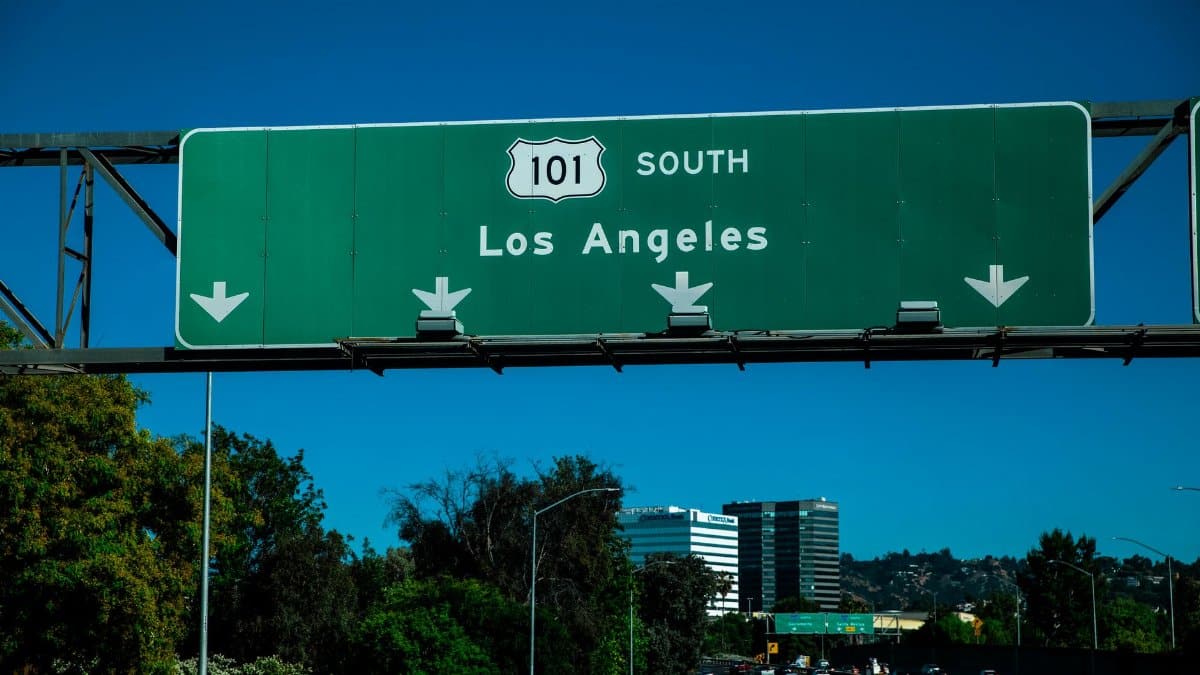
On a clear Friday in late spring, the city can look almost generous. The bay throws light onto the towers, the ballpark fills, and people convince themselves that the weekend will move at a human pace. Then the alerts arrive. Lanes on Highway 101 and Interstate 280 will be shut for paving, barrier work, or a bridge crew that can only operate when weekday volumes dip. Those SF highway closures turn a familiar drive into a negotiation with surface streets, event crowds, and the simple fact that San Francisco has very few ways around itself.
A peninsula with almost no spare pavement
San Francisco sits at the end of a narrow landform, and its freeway map reflects that constraint. Highway 101 carries regional traffic along the eastern edge, past the ballpark, the hospitals, and the dense neighborhoods that grew up against the bay. Interstate 280 arrives from the south with a quieter reputation, threading parkland before it dumps drivers toward the Mission, the Castro, and downtown. When either road loses a lane, or an entire direction, the overflow does not dissolve into a wide suburban grid. It lands on streets that already serve buses, storefronts, and people walking to dinner.
That geography is why a closure notice reads like more than a construction bulletin. A driver headed to a Saturday game, a Sunday wedding in the avenues, or a shift at a hospital does not experience the work zone as an abstract schedule. The driver experiences a missing link. The Chronicle has tracked how planned work on these corridors collides with ordinary weekends, and the pattern is familiar to anyone who has refreshed a traffic map at the last minute. Official details live with Caltrans, whose live map at quickmap.dot.ca.gov is the place to confirm what is actually closed before leaving the house. Reporting on a recent round of weekend restrictions appears in the San Francisco Chronicle.
Why the work lands on Saturday
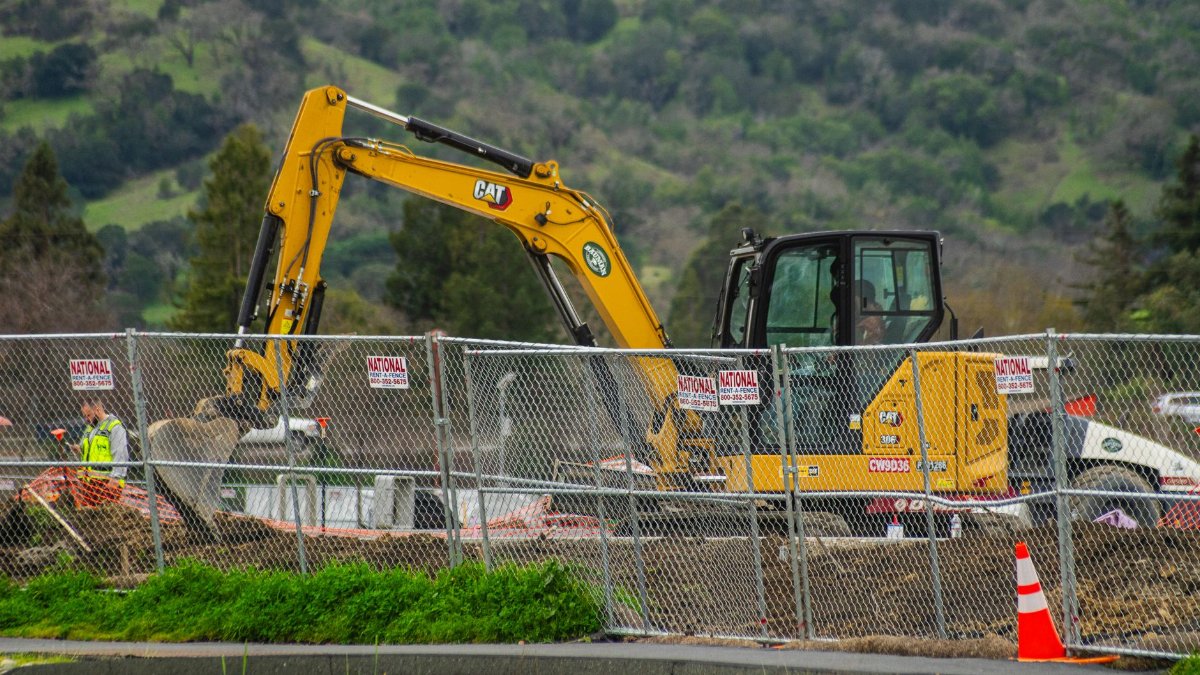
Agencies prefer weekends for a reason that is easy to state and hard to live with. Weekday volumes on these freeways are brutal. Closing a lane at 8 a.m. on a Tuesday would freeze commuters who have no choice about when they travel. Crews also need continuous hours for paving, striping, and barrier resets. A Friday night start through early Monday morning gives them a block of time that a midnight patch cannot match.
The trade is political as much as technical. Residents accept noise if the alternative is a paralyzed workweek. Business owners near an exit ramp accept neither gladly. The honest description is that weekend work protects the largest number of trips while concentrating pain on people whose plans are social, medical, or shift based. That concentration is not neutral. It falls hardest on workers who cannot shift a Saturday shift, and on families who stacked a game, a flight, and a dinner into the same afternoon because the calendar looked open.
Games, concerts, and the crowded calendar
San Francisco does not keep a quiet weekend reserve. Oracle Park, Chase Center, and the calendar of street festivals pull tens of thousands of people toward the same eastern and central corridors that Highway 101 serves. A closure near those venues does not merely slow through traffic. It mixes regional drivers, rideshare cars waiting for a passenger, and locals trying to reach a grocery store that suddenly sits on the only open route.
Event planners publish their own arrival advice, and teams urge fans to take transit. Those messages help at the margin. They do not erase the cars that still come from San Mateo County, the Peninsula, and the East Bay via a chain of freeways that ends in a small city. When SF highway closures overlap with a sold out night, the delay is not a single jam on the freeway shoulder. It is a series of small failures: a missed parking window, a bus that cannot leave the curb, a restaurant reservation that dies in a line of brake lights on Cesar Chavez or King Street.
What a missing freeway does to neighborhood streets
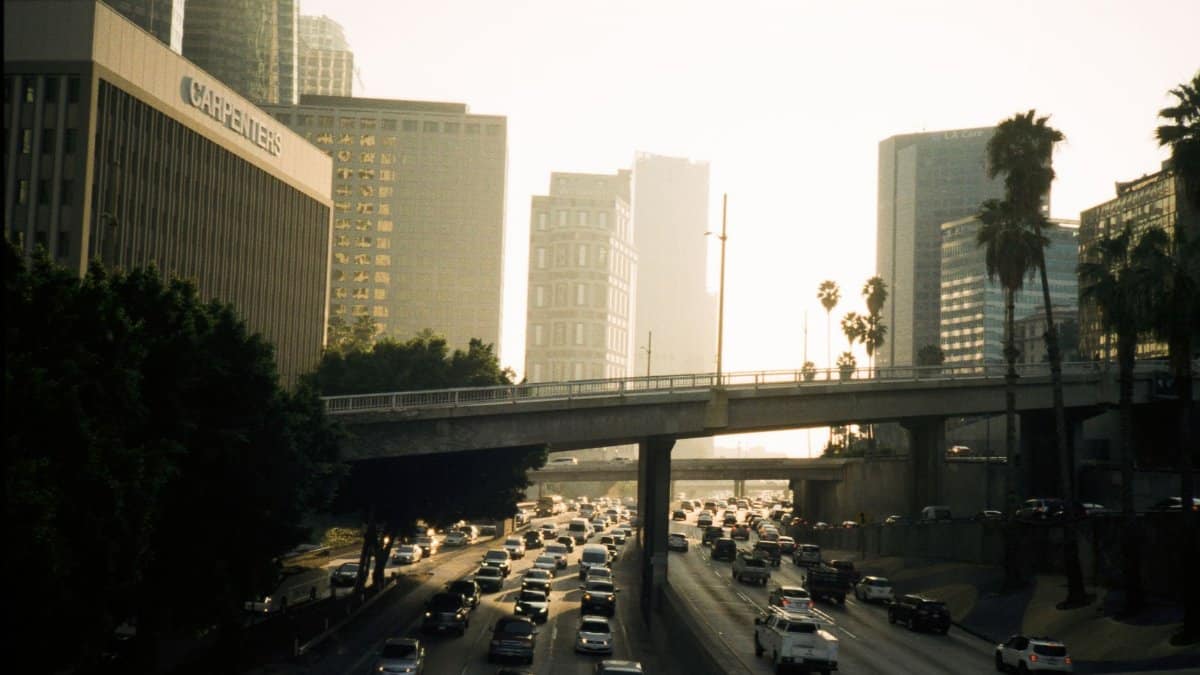
Diversion is the word engineers use. Residents use other words. When 101 or 280 narrows, navigation apps send drivers onto arterial streets that were designed for local trips. Potrero, Bayshore, Alemany, Junipero Serra, and the sloping blocks of the Mission absorb cars whose drivers do not know the signals, the school zones, or the unmarked crosswalks. Speed drops, but conflict rises. A street that felt busy at noon can feel hostile at 6 p.m. if it is suddenly doing freeway work.
I have watched that transfer on a hospital hill, where an ambulance and a line of confused visitors shared the same lane while a freeway sign miles away promised a detour that no longer matched the paint. The scene is not dramatic enough for a headline most weeks. It is still the real cost. Noise moves indoors. Double parking multiplies. People who walk to a corner store wait longer at lights timed for a calmer hour. SF highway closures are regional decisions with block level consequences, and those consequences rarely appear in the press release that announces lane reductions and reopening times.
Transit can absorb some of the shock, not all of it
Caltrain, BART, Muni, and the regional bus network are the rational answer, and on many weekends they are also the practical one. A rider who boards south of the city and walks the last stretch avoids the worst of a paving closure. The limitation is coverage and frequency. Not every origin has a train that runs late. Not every destination sits near a station. Luggage, children, mobility devices, and night shifts push people back into cars even when they would rather not drive.
Rideshare does not solve the geometry. It adds vehicles that circle. Shuttles for games help the venue and do little for the nurse trying to reach a shift in the opposite direction. The useful public message is specific: if your trip can move to rail, move it. If it cannot, leave with a margin that assumes surface streets, not freeway speeds. Vague encouragement to consider options is not a plan.
How agencies talk, and what drivers need instead

Closure notices tend to lead with the benefit. New pavement. Safer barriers. A bridge joint that will not fail in the next storm. Those benefits are real. Deferred maintenance on Bay Area freeways is not a slogan. It is cracked concrete and nighttime emergency repairs that are more dangerous than a scheduled weekend shutdown. The public can hold two ideas at once. The work should happen. The communication should respect the people who will sit in the result.
What helps is plain timing, a map of the actual detour, and an honest range for delay rather than a single cheerful estimate. It also helps when event schedules and construction schedules are read together before the cones go out. A closure that is tolerable on an empty Sunday becomes a civic mess if it shares the evening with a playoff game and a waterfront festival. Coordination is unglamorous. It is also the difference between a managed inconvenience and a weekend that feels careless.
The people whose time is not optional

Traffic stories often picture leisure: the fan, the tourist, the couple headed to brunch. A fuller picture includes hospital staff, airport workers, restaurant crews, and caregivers crossing the city on a clock they do not control. For them, a closure is not a story about patience. It is lost wages or a late handoff. Freight and service vans face the same squeeze. A plumber who budgeted four jobs in the southern neighborhoods may finish two if 280 is dark and every alternate hill is clogged.
Equity language can sound abstract until you map who can work from home on Saturday and who cannot. The freeway is public infrastructure. The pain of maintaining it should not be treated as a private problem for whoever happens to be on the road. Cities and the state can mitigate that pain with better transit spans, temporary signal timing, and towing policies that keep a stall from becoming a second closure. None of that replaces the cones. All of it acknowledges that the weekend is a workplace for a large share of the region.
Reading the map before you commit the day

The practical habits are dull, which is why they work. Check the live map the night before and again in the morning, because a crew can finish early or run long. If Highway 101 is the problem, do not assume Interstate 280 is a free substitute. Both roads serve overlapping destinations, and apps will pile drivers onto whichever line still looks green until that line turns red. Build time as if you will be on city streets. Tell the people waiting for you that the plan is soft.
For trips that repeat, learn one surface route that you have driven in daylight, not the route an app invents under stress. Know where buses are allowed to pull out, and do not block them. If you are heading to a game, buy the transit trip before you buy the narrative that driving will be fine. These are small disciplines. They do not fix the underlying shortage of redundant highways. They keep a planned closure from becoming a personal crisis.
What better weekends would require

A mature approach to SF highway closures would start earlier than the cone drop. It would publish a seasonal calendar that event producers, hospitals, and transit agencies can actually use. It would fund the extra bus service that makes a closure survivable, not merely announce that transit exists. It would measure neighborhood speeding and injury risk on diversion streets, then retune signals for the hours when freeway traffic is forced downhill into local life.
It would also tell the truth about time. Maintenance delayed for a decade returns as a cluster of disruptive weekends. Riders and drivers are asked to absorb in a month what budgets refused to spread across years. That is a political choice, not an act of weather. San Francisco can keep treating each closure as a surprise, or it can treat the freeway weekend as a predictable public event with a duty of care attached.
The city after the lanes reopen
By Monday the signs come down, the paint is fresh, and the morning commute resumes its ordinary grind. Memory of the weekend fades until the next alert. That amnesia is costly. Highway 101 and Interstate 280 will close again, because concrete does not stay smooth and bridges do not maintain themselves. The question is whether the region meets those weekends with coordination, transit capacity, and respect for neighborhood streets, or with another round of last minute maps and frayed tempers.
SF highway closures are not a side note to city life. They are a stress test of how a small, celebrated, geographically trapped city shares space when one of its main roads goes quiet. The test will keep coming. The grade depends less on the paving crew than on whether everyone else planned as if the warning were real.