
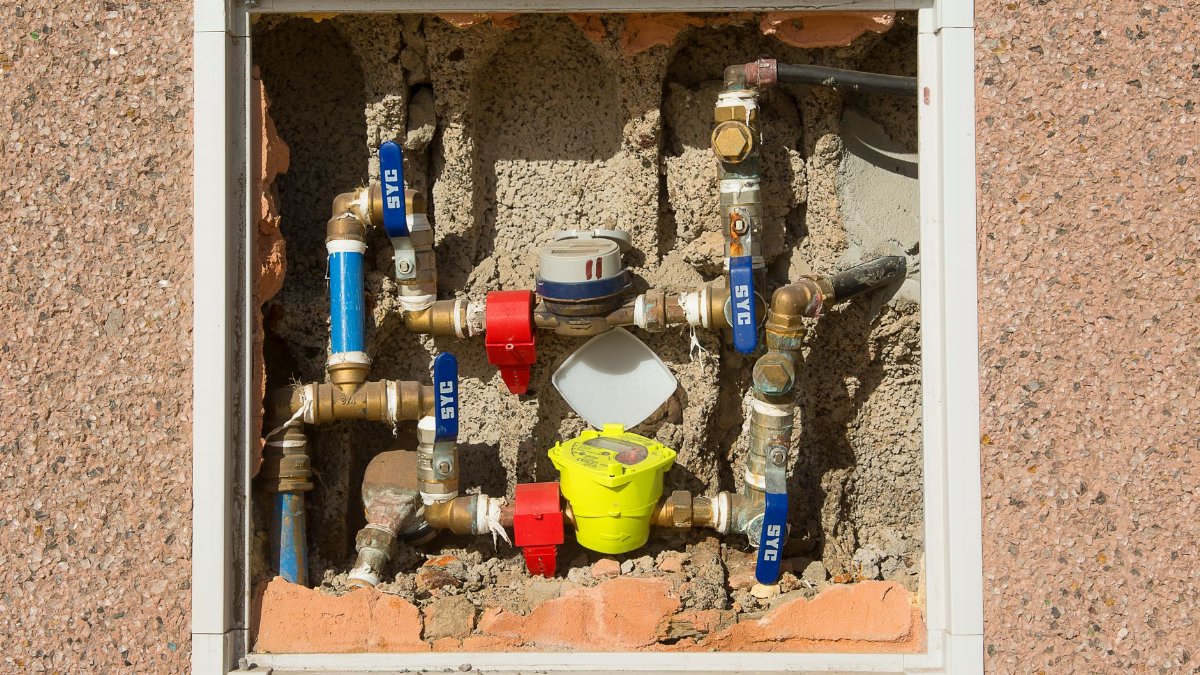
In a move that signals progress for municipal utilities the city of Hialeah has begun testing advanced devices to track water usage more precisely. Leaders approved the effort during a meeting in mid April with plans to place the units in neighborhoods where access has long posed challenges. This development comes as communities across the region seek better tools to manage resources amid shifting weather patterns and rising costs. The Hialeah Smart Water Meters represent a focused attempt to bring reliable data to both officials and households.
Background on the Council Decision

City officials gathered to review proposals from several vendors before selecting a system that promises greater precision in readings. Discussions highlighted past issues with manual collection in dense residential zones where gates and schedules often delayed accurate tallies. The pilot received unanimous support after presentations showed potential reductions in estimated bills that sometimes frustrated property owners. Local records indicate the chosen approach aligns with similar efforts in neighboring municipalities that reported improved satisfaction once automated tracking began.
How the Devices Function Daily
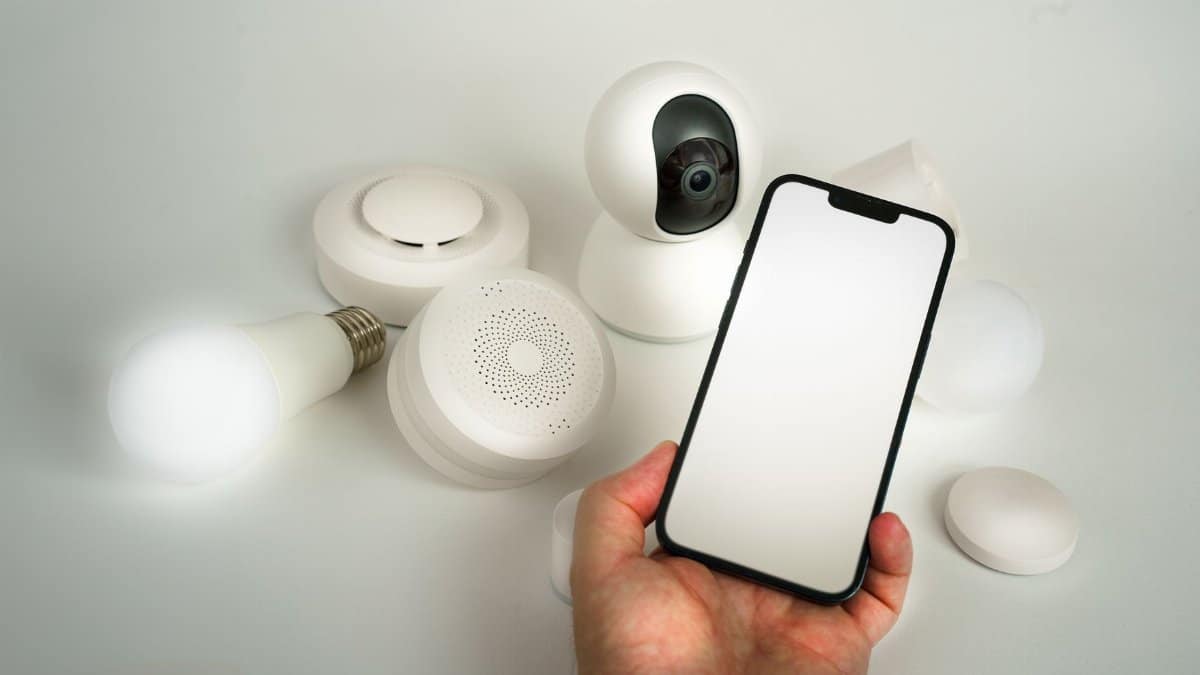
Each unit transmits consumption figures through secure wireless signals at regular intervals allowing staff to monitor flow without physical visits. Sensors detect leaks or unusual patterns that might otherwise go unnoticed for weeks under older methods. Data flows to a central platform where analysts can spot trends across blocks or individual properties. This setup reduces errors from weather related access problems and supports quicker responses when anomalies appear in the reports.
Potential Savings for Households

Early projections suggest that more accurate measurements could trim average monthly charges by identifying waste that previously went untracked. Families in the selected zones stand to benefit most since estimates often ran higher than actual use in prior years. Over time the consistent information may encourage conservation habits as residents observe direct links between their routines and the numbers on statements. Officials emphasize that the program remains voluntary at this stage with opt in options for those curious about the technology.
Installation Process in Targeted Areas
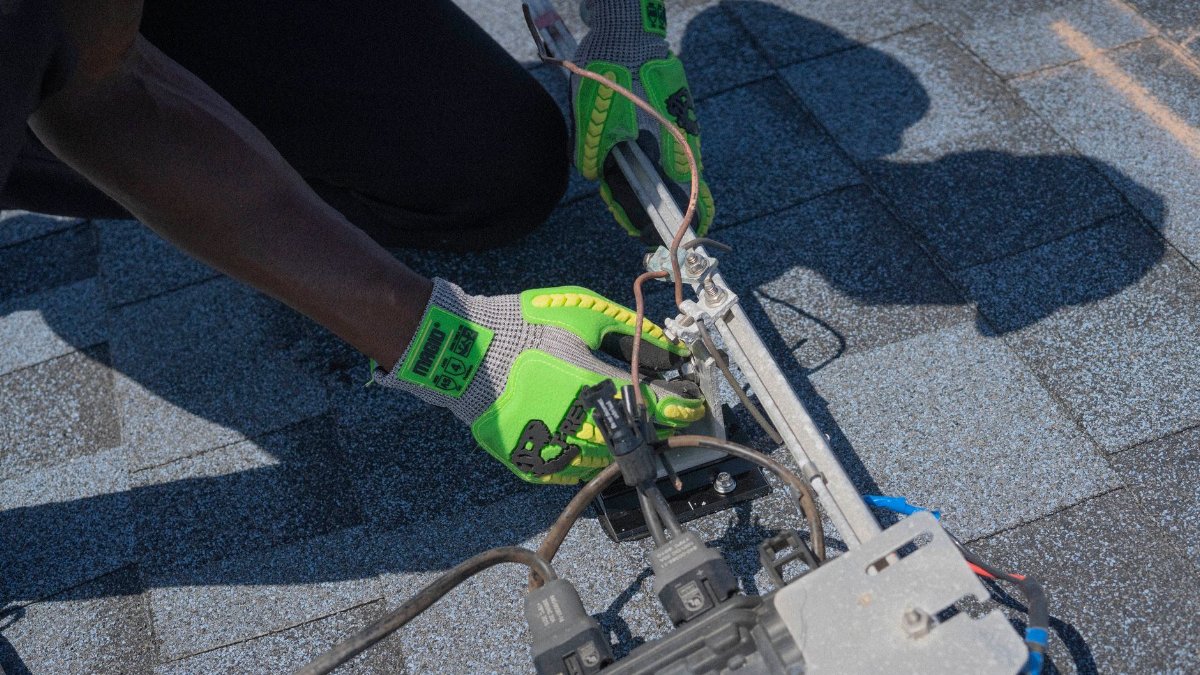
Teams plan to begin work in zones known for limited entry points starting with a batch of several hundred homes. Crews will replace existing meters during scheduled appointments to minimize disruption to daily life. Training for technicians covers both the hardware and the software interface that collects readings remotely. Follow up visits will verify signal strength and address any initial questions from participants.
Privacy Considerations for Data Collection
Planners have outlined strict protocols to safeguard household information gathered by the new system. Access remains limited to authorized personnel and reports aggregate numbers before broader release. Residents receive clear explanations of what details are stored and for how long. Such measures aim to build trust as the pilot expands beyond its initial scope.
Environmental Advantages in Resource Management

Better tracking supports efforts to reduce unnecessary water loss across the network which helps preserve supplies during dry seasons. City reports note that undetected leaks contribute to waste that strains treatment facilities and raises overall expenses. With timely alerts the new meters could lower the volume sent through pipes each year. This aligns with broader goals for sustainability shared by many coastal communities facing similar pressures.
Comparisons With Nearby Utility Programs

Other districts in Miami Dade have tested comparable tools over the past several years with mixed yet generally positive outcomes. Some reported faster detection of problems while others focused on educational outreach to accompany the hardware. Hialeah draws from those experiences to tailor its own version emphasizing areas with unique access issues. The approach reflects a measured pace that prioritizes learning before wider rollout.
Future Steps After the Pilot Phase

Evaluations at the end of the trial period will determine whether expansion makes sense based on performance metrics and resident feedback. Leaders expect to share summaries with the public through open meetings and online summaries. Adjustments may include refined communication methods or additional features requested by participants. The process keeps the focus on practical improvements rather than rapid change.