

On a mild September afternoon in Boston, the political message from the corner office and the caution from the finance shop landed within hours of each other and pointed in different directions. Governor Maura Healey told supporters that Massachusetts Question 6 would protect forests, farms, and drinking water supplies by shifting the tax burden rather than raising the total take. Analysts who work for her had already flagged a risk that the same design could leave the general fund thinner in years when receipts disappoint. The disagreement is public, specific, and unresolved. It is also the clearest window voters have into a ballot fight that mixes land conservation with the oldest argument in state government: who pays, and who waits.
What the ballot language actually asks
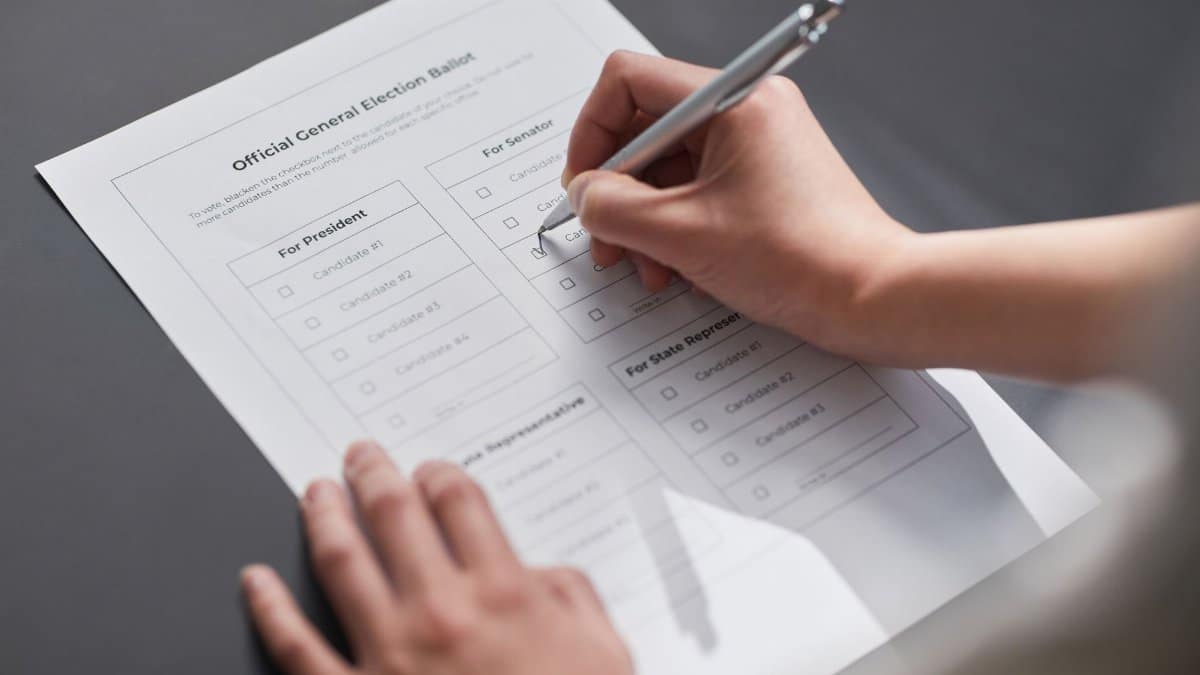
Massachusetts Question 6 is not a simple yes or no on whether trees are good. The measure would redirect a slice of existing tax collections toward land conservation, working farms, and the protection of watersheds, while adjusting other liabilities so that sponsors can claim the state is rearranging the bill rather than enlarging it. Supporters describe a dedicated stream of money that cannot be quietly raided when a budget season turns ugly. Skeptics read the same sentences and see a promise that depends on assumptions about growth, compliance, and the willingness of future legislatures to leave the design alone.
Ballot questions reward clean stories. This one resists them. A voter who cares about open space may still want to know which taxpayers absorb the shift, which programs lose flexibility, and what happens if collections fall short of the rosy case. Those are not hostile questions. They are the questions a serious electorate asks before it locks a formula into law.
Healey chooses the conservation case

Healey has spent much of her time in office talking about housing, climate, and the cost of staying in Massachusetts. Backing the question lets her tie those themes to something voters can touch: a field that stays a field, a reservoir that stays clean, a town line that does not vanish under speculative clearing. In her telling, delay is itself a cost. Land sold for development does not return to the public on a convenient schedule, and the price of buying it later is almost always higher.
The endorsement also has a political shape. Conservation coalitions in this state are broad, reaching from suburban trail groups to farmers who want a chance to keep land in production. A governor seeking to look both practical and green can stand with that coalition without inventing a new tax brand. Healey has framed the measure as a winner because it asks residents to accept a rearrangement they can understand, not a blank check. Whether that framing survives contact with a finance memorandum is the test she has now set for herself.
The budget office writes a colder memo

Inside the same administration, the budget office has warned that the design carries real risk for the operating budget. Dedicated streams feel virtuous until a recession, a cold winter of energy aid, or a surge in health costs arrives. Money that cannot move is money that cannot plug a hole. Analysts worry that the shift could shrink discretion just as mandatory spending keeps claiming a larger share of what the state collects.
None of this requires a charge of bad faith. Budget shops are paid to imagine the bad year. Campaigns are paid to imagine the good one. The unusual fact is that both messages now carry the governor’s letterhead in the public mind, even if only one of them carries her signature. Voters are entitled to ask which document she wants them to treat as the governing one. An endorsement that shrugs off her own fiscal staff will sound careless. An endorsement that engages the warning, and still argues the land is worth the constraint, will sound like leadership.
How a tax shift moves through a household

A tax shift is easy to praise in a speech and harder to trace on a kitchen table. If the state collects roughly the same amount but assigns more of it to conservation, someone still experiences a change in timing, liability, or local burden. Homeowners, renters, small employers, and towns do not feel “the state” as a single payer. They feel a line on a bill, a slower municipal project, or a grant that no longer stretches as far.
Sponsors say the pain is modest and widely shared, and that the benefit is an asset the whole commonwealth uses: cleaner water, flood storage in wetlands, habitat, and a farm economy that keeps food closer to the people who eat it. Opponents answer that modest pain is still pain, and that households already squeezed by housing and insurance will not grade the measure on ecological poetry. They will grade it on whether the shift shows up as a surprise. Clarity in the voter guide will matter more than another rally.
The case for buying land before the price runs away

Conservation advocates have a concrete argument that does not depend on slogans. Parcels near growing towns are bid up by builders. Once they are subdivided, the public rarely gets them back. Watersheds that stay forested cost less to protect than treatment plants built to correct what pavement and runoff have already done. Floodplains that remain open spare downstream neighborhoods a bill that arrives after the storm, not before it.
That logic has persuaded voters in other states to lock in dedicated funds. It can persuade here if the campaign stays specific about places, not abstractions. A map of threatened acres does more work than a slogan about legacy. So does an honest account of what the fund will not do. It will not build the housing the state also needs. It will not, by itself, cool a summer that keeps breaking records. It will keep some land from being lost while other fights continue. That is a limited promise, and limited promises are more credible than total ones.
Towns, farms, and a quieter ledger
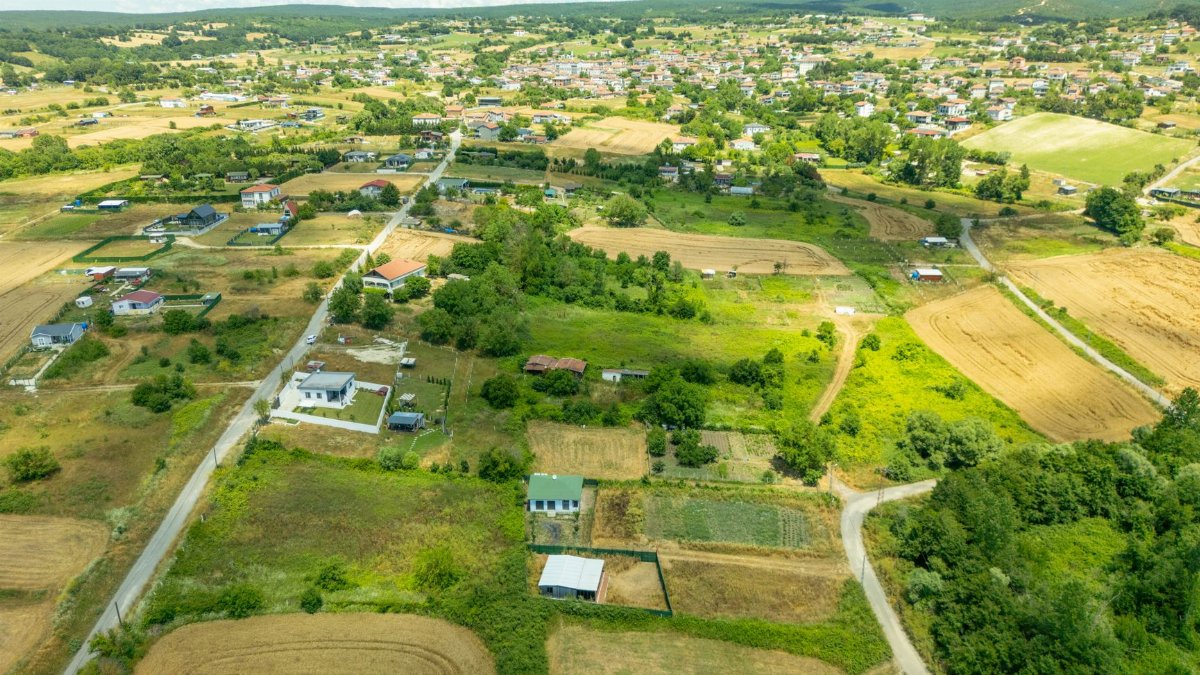
Municipal leaders hear “dedicated” and think about the projects that live on flexibility: school repairs, snow removal, a bridge that cannot wait for a bond cycle. If the state ties its own hands, some of the pressure can roll downhill. Towns do not print money. They raise property taxes, cut services, or delay. A conservation win that becomes a local squeeze will not feel like a win on Main Street.
Farmers occupy an uneasy middle. Many want the right to sell development rights and keep working the soil. Many also fear rules written by people who have never priced feed or labor. If Massachusetts Question 6 is sold as a gift to rural Massachusetts, rural Massachusetts will read the fine print. The measure succeeds politically only if working land is treated as a partner, not as scenery for a city electorate.
Stewardship language meets a fiscal argument

Some congregations and faith networks have begun to talk about the question in the language of stewardship: care for creation, duty to neighbors downstream, restraint in the use of what no one generation owns outright. That vocabulary will not decide a tax formula, but it explains why a budget fight is appearing in places that do not usually host budget fights. Parishes, mosques, and synagogues that run food pantries already know that land, water, and prices are moral subjects as well as technical ones.
The risk is that spiritual language becomes a substitute for arithmetic. A sermon can name the duty. It cannot reconcile a general fund. The healthiest version of this debate lets both languages stay in the room. People can believe the land is a trust and still demand a memorandum that shows the trust will not be funded by quiet cuts to services they also consider sacred, including care for the sick and the schooling of children.
A campaign that cannot outrun the memo

From now until November, both sides will try to own the word “cost.” Supporters will price the cost of waiting: acres lost, floods paid for twice, farms converted because a family could not afford to say no. Opponents will price the cost of rigidity: fewer choices in a downturn, pressure on towns, a precedent that every worthy cause deserves a locked box. Healey has stepped into that argument rather than hovering above it. Her endorsement gives the yes campaign a familiar face. Her budget office gives the no campaign a citation that is hard to dismiss as partisan noise.
I have watched enough of these fights to know that voters punish contradictions they think were hidden, and forgive tensions that were explained. The useful move is not to pretend the memo does not exist. It is to say, in plain sentences, which risks she accepts and why. If she cannot do that, the endorsement will age badly, whatever the polls say in September.
What November will not finish

Even a clear result will leave work on the table. A yes vote would open years of rulemaking: which lands qualify, how farmers are paid, how the fund is audited, how the shift is shown on tax bills so that people can see it. A no vote would not end the hunger for conservation dollars. It would send advocates back to the Legislature, where deals are slower and earmarks are easier to bend. Either path requires the honesty the last week has accidentally modeled. The governor wants the measure. Her finance shop wants the public to see the strain. Massachusetts Question 6 is stronger, not weaker, for having both sentences on the record before anyone fills in a bubble.